


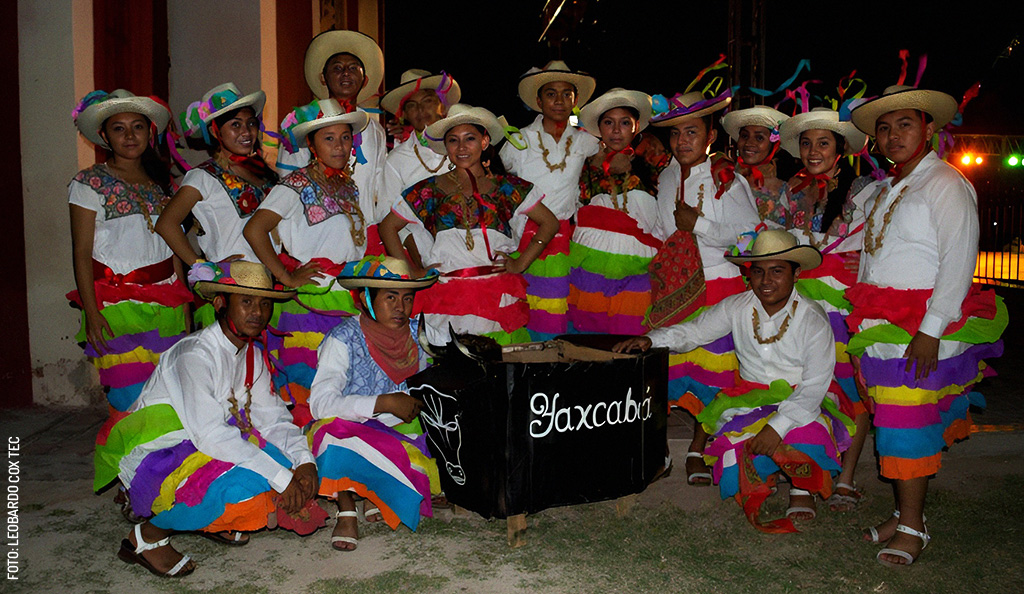
Carnival (or, locally, carnaval) celebrations in Maya towns are often filled with traditions steeped in deep ritual meaning. Many ancient dances and ceremonies have vanished, known to us only through historical chronicles or the oral history of elders. However, one tradition that has endured is the Dance of the Xtoles, performed by the Yaxcabá Ribbon Troupe (Comparsa de Cintas)—a true treasure that blends dance, music, and color in the heart of Yucatán.
The Ribbon Dance Troupe: An Enduring Tradition

The Ribbon Troupe is a group composed of children and teenagers responsible for performing traditional dances in the days leading up to Carnival. The troupe is so ancient that it was already documented in 19th-century Yucatecan newspapers, making it a true historical survivor.
Although it was declared an extinct dance in 2011, the efforts of the youth in the Yaxcabá community allowed for its revival. Today, while the challenges grow each year, they continue to dance their traditional sones throughout the festivities, keeping this vital piece of México’s identity alive.
Characters and Costumes: A Satire of Abundance
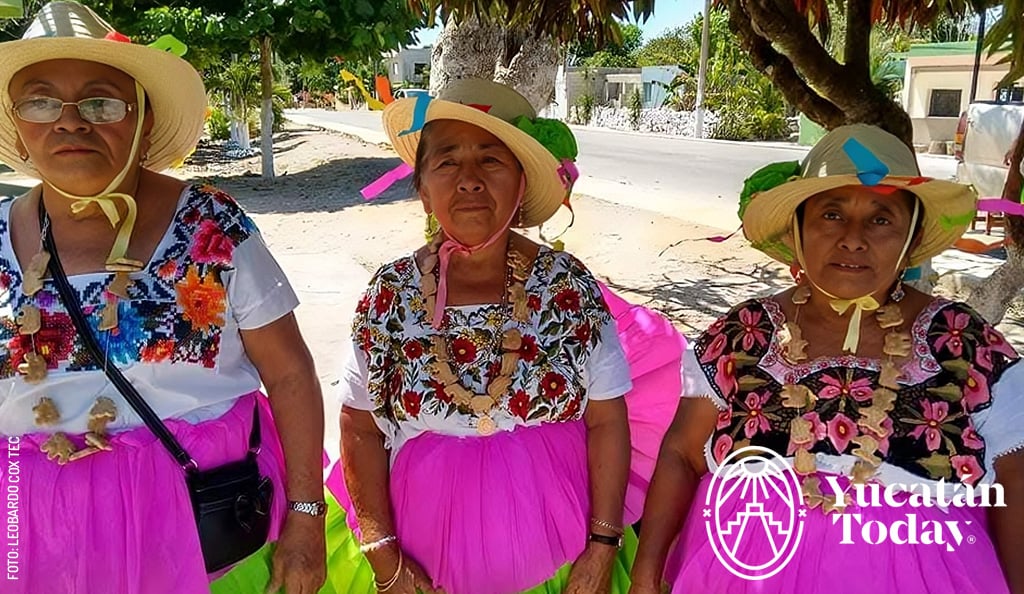
The performers in the dance are known as "carnavalescos" or Xtoles. Their attire is a vibrant display of color and history. They wear striking skirts decorated with thick strips of colored crepe paper, paired with embroidered hipiles and “spider hats” (sombreros de araña) adorned with flowers and ribbons. As accessories, unique necklaces made of animal crackers or habanero peppers are worn, along with traditional alpargatas or sandals.
The costume is identical for both men and women, with the only difference being that men wear a long-sleeved shirt under the hipil. This clothing serves as a satire of the opulent fashion of 19th-century high society, while also representing rural abundance and wealth.
Juan Carnaval and Permitted Transgression
Historically, both the attire and the dances of the Xtoles were considered immoral by civil and religious authorities. In Yaxcabá, women were once forbidden from participating in Carnaval; because of this, men began dressing as women (using old clothes borrowed from neighbors) to complete the dance pairs.
The troupe is always led by an adult man representing Juan Carnaval, a mischievous character who spends the festival playing pranks; the rest of the dancers represent his daughters. Another key character is “La Vieja” (The Old Woman), Juan Carnaval’s wife; she carries a doll dressed as an Xtol, representing their youngest child. At the conclusion of the festivities, all the costumes were traditionally burned to symbolize the beginning of Lent.
The Dance: Weaving the Ribbons

The goal of the Dance of the Xtoles is to spread the joy and rowdiness of the Carnival season throughout the town. The main performance takes place in the streets, moving from house to house, in exchange for a small tip.
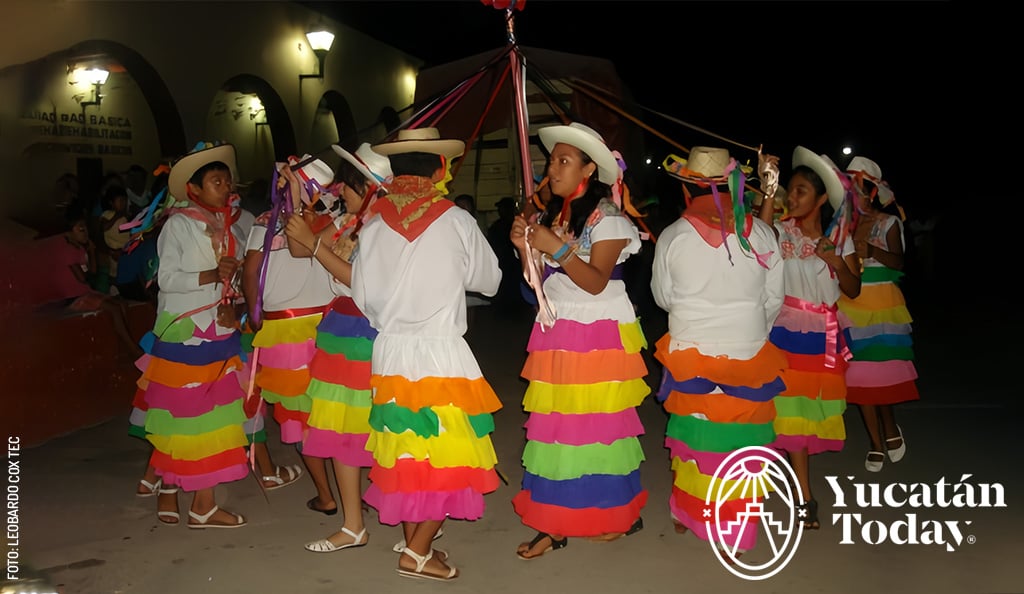
The Xtoles carry a large wooden pole from which colored ribbons hang, each held by a participant. As the music begins, the dancers circle the pole, crossing paths at specific moments to weave a beautiful petatillo (wicker-style) pattern at the top of the wood. The dance only ends once they successfully unweave the pattern.
Traditional musicians accompany the dance by playing Mayapax jaranero, a musical genre distinct from the standard jarana found across the peninsula. Its primary instrument is the harmonica, accompanied by claves, guitar, maracas, and the tunkul or tarola, a pre-Hispanic percussion instrument.
As the Xtoles dance, they also sing verses in both the Maya language and Spanish, adding a layer of complexity to the performance. These traditions are a testament to the hidden cultural wealth of Yucatán. Though unknown to many, the Dance of the Xtoles serves as a vibrant example of the diverse living traditions that the Maya people preserve to this day.
Read more about Mayan traditions and customs in the villages of Yucatán:


Related articles


