


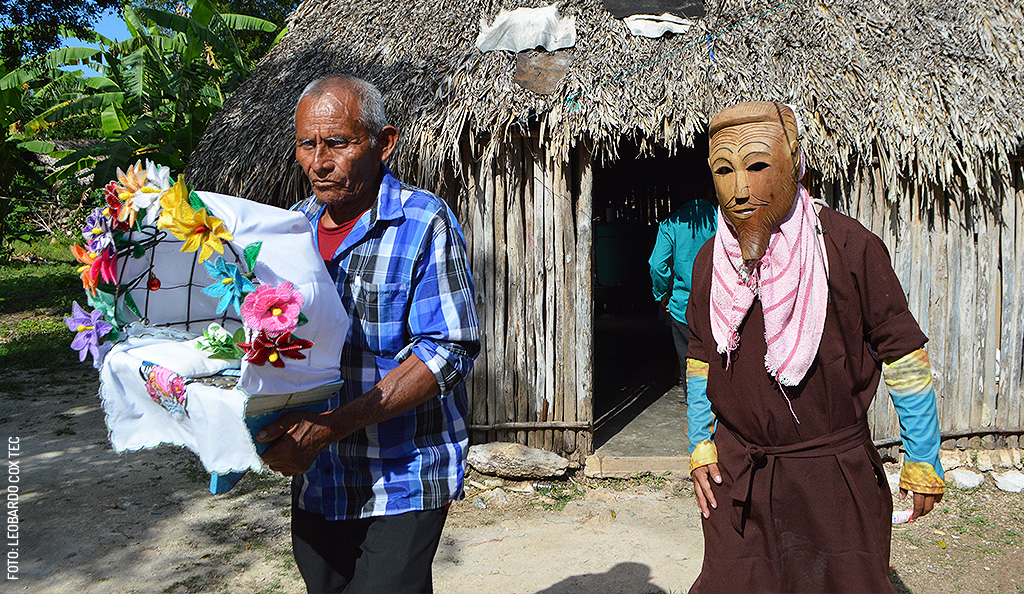
The Danza de Señores (Dance of the Elders) is a profound Maya tradition that begins on the night of January 5th and repeats for several subsequent days. It is celebrated in the municipality of Chikindzonot, in the eastern part of the state of Yucatán, less than an hour away from the Pueblo Mágico of Valladolid. The inhabitants of Chikindzonot, whose name means “cenote of the west,” are very proud of this important tradition, also known as Danza de los Abuelos, or grandparents. Through this celebration, children, adults, and the elderly celebrate the start of the new year together.
Characters and symbolism: A hidden mockery
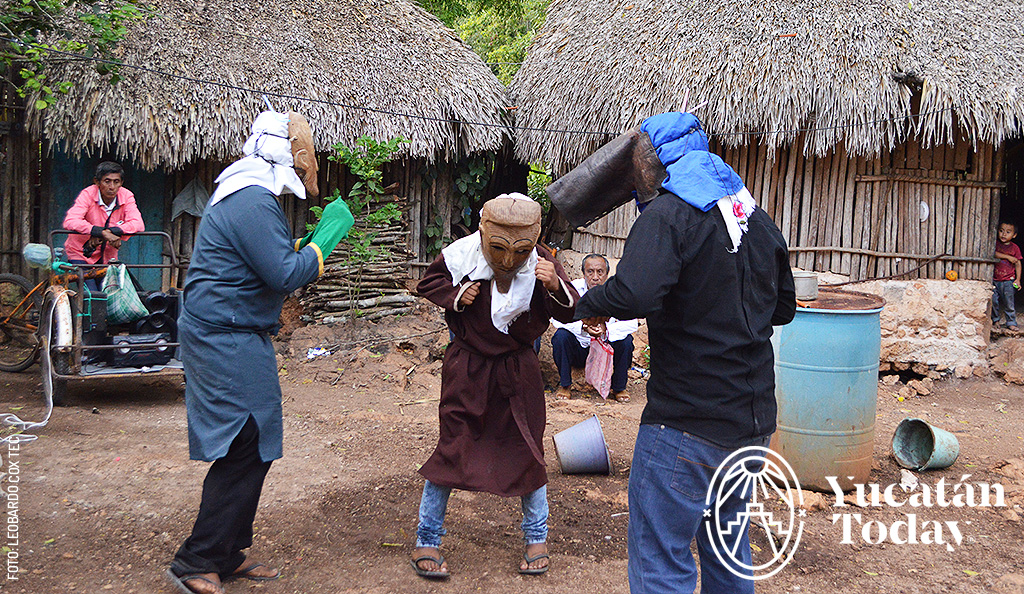
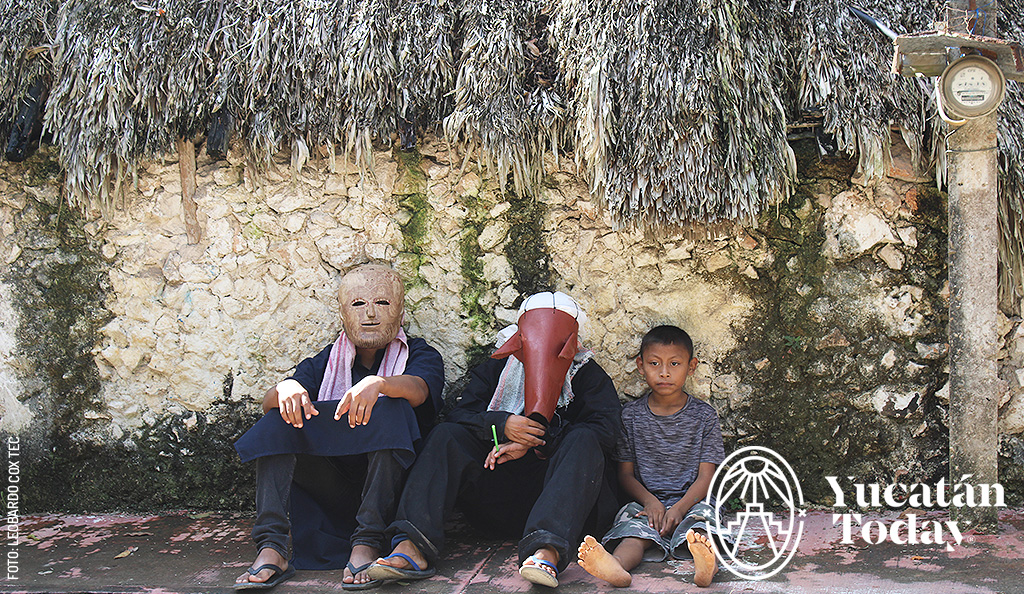
The main characters are Abraham, Isaac, and the Devil (el Diablo). The “Elders” represent good: they wear wooden masks with the features of old men and dark-colored robes. The Devil, on the other hand, wears a dark shirt and pants and an elongated mask, often made of pig leather.
It has been suggested that this snout-shaped mask might represent Chaak, the Maya rain god; thus, he would have been considered the devil because the conquistadors viewed pre-Hispanic gods as representations of evil. However, among the people of Chikindzonot, the masks of the Lords carry an additional, subtler meaning: they are used to satirize white, bearded men, operating as a hidden mockery of the high-ranking colonial figures within a Catholic ritual celebration.
The ritual and Limosneo in Chikindzonot
The main dance is performed on two key occasions. The first takes place before Christmas, in the Nativity ritual. The second instance is at midnight on January 5th, during the ritual known as the Alto del Niño Dios (the Lifting of the Christ Child).
For the following six days, a collection of offerings is made where the characters of the Danza de Señores dance from house to house; this route through the town's streets is popularly known as limosneo (alms-seeking or panhandling). Accompanied by the image of the Christ Child, placed on a flower-decorated altar-crib, they request an aguinaldo or tip in exchange for their dances. The principal offerings they receive are candles, cash, and corn (maize).
The House-to-House Procession
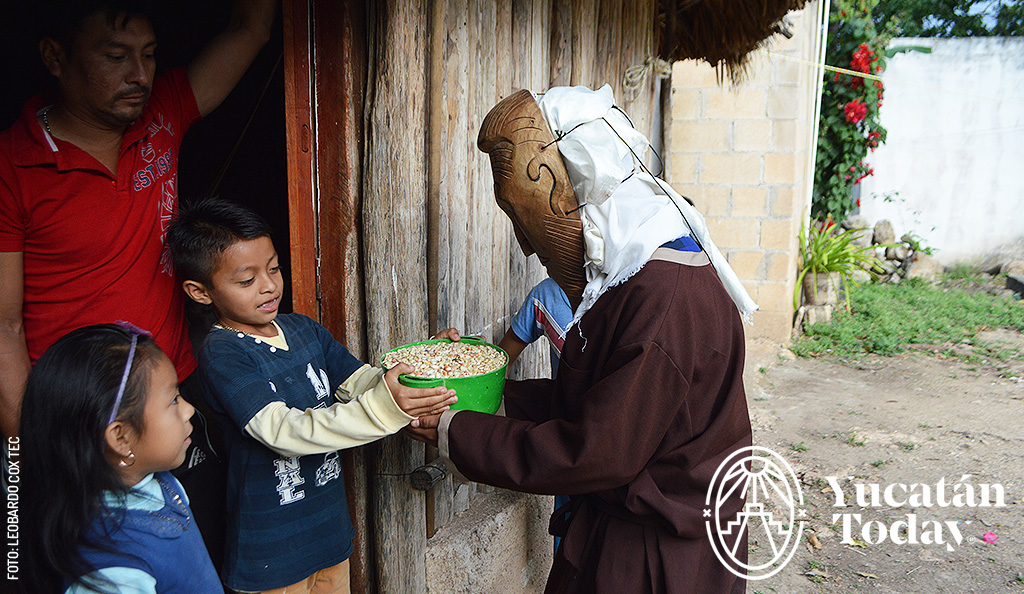
The rezadores (prayer leaders) and padrinos (custodians) of the Christ Child gather at six in the morning in the town church while the dancers get dressed. Around 6:30 am, the contingent sets out into the streets with the image in their arms. The padrinos enter the homes to receive the offerings. The residents of each house set up an altar where they place the Christ Child, light candles, and set out food or drinks (tamales, bread, sodas). Afterward, the rezadores and custodians perform a prayer and a song, and subsequently receive corn, which they place into large sacks.
The music and dance of the elders
The traditional musicians remain outside the house, playing their instruments: a harmonica, two rooster-shaped whistles, two senojas (the name they give to their wooden rattles), a güiro or rascabuche (scraper), a drum, and a cowbell. They generally perform three musical pieces: a jarana, a cumbia, and a son de jaleo or paywakax (a rousing folk tune that evokes bullfighting).
As for the dance itself, the Elders always dance hunched over, with simple movements, steps from the peninsular jarana, and basic zapateados (foot-stomping), reflecting their role as seniors. The Devil, on the other hand, represents a bull. His dance tends to be more agile and features comical movements, "charging" the Elders and, occasionally, the spectators; he also playfully scares small children watching the dances.
The activities of the Danza de Señores repeat in the same manner throughout the entire route. The house-to-house procession finishes around 8 pm and continues daily until they have visited all the Catholic homes in the village.
If your adventures take you through the roads of Chikindzonot in January, keep your eyes open: you might just run into these characters!
First published in Yucatán Today website in December 2025.



Related articles


