

Towns of Yucatán
Visit the enchanting Magical Towns of Yucatan and find yourself in their history, culture and beauty. Feel the magic of Valladolid, Izamal, Maní and more!

Magical Town since 2023
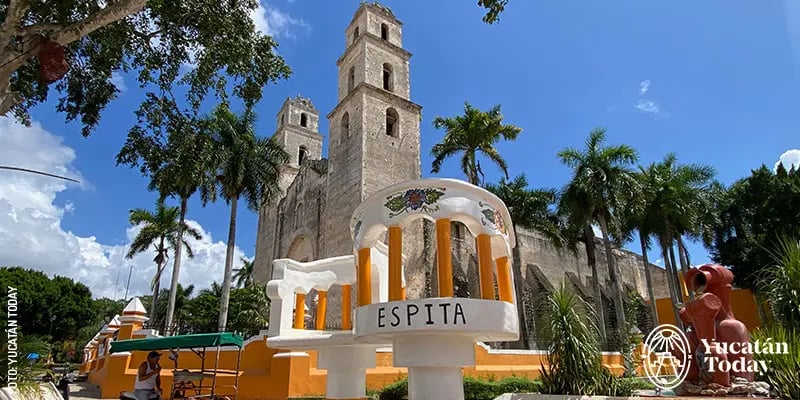
Once known as the cultural capital of the state—the Athens of Yucatán—Espita has reinvented itself as Yucatán’s capital of slow travel and relaxation. Its location makes it an excellent base for exploring Chichén Itzá, Ek Balam, Izamal, Tizimín, and Río Lagartos; in this quieter alternative to Valladolid, you’ll find several outstanding lodging options tucked into the atmosphere of a traditional Yucatecan town. In Espita, time seems to move at a different pace.
Traditional dish: Kots'ob, a white bean tamal wrapped in hoja santa leaves.
Iconic sights: San José Parish Church, Juan José Méndez Market.
Magical Town since 2002
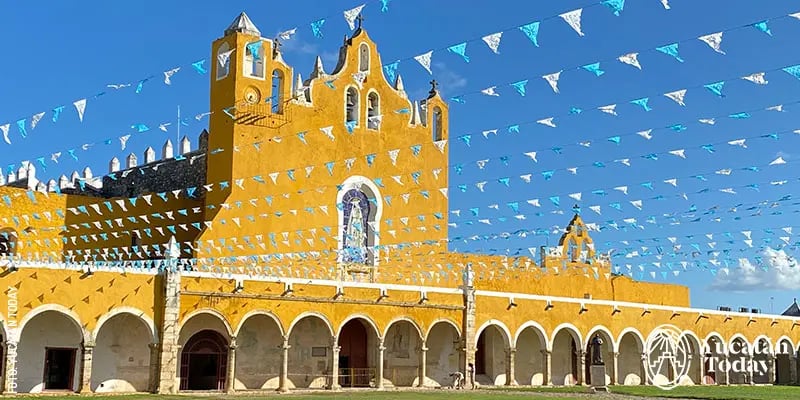
One look at Izamal is enough to understand why the Yellow City was among the first communities in México to receive the Magical Town designation. Is it the vibrant yellow façades of its colonial buildings? Its numerous free-to-visit archaeological sites nestled within the city itself? Its status as one of México’s few “Cities of Three Cultures”? The impressive elevated atrium of its convent? Or perhaps its enduring connection to its Maya heritage? Most likely, it’s all of the above. You'll have to discover the answer for yourself.
If you're looking for even more activities, ATV tours around the city are available. Around the main square, shops such as Hecho a Mano (inside Hotel San Miguel) offer a wide variety of handcrafts perfect for taking home or gifting to loved ones. For a different kind of experience, the Hermano Maya Sanctuary offers energy-cleansing rituals and traditional temazcal (sweat lodge) ceremonies.
Traditional dish: Papadzules with longaniza.
Highlights: Former Convent of San Antonio de Padua, Kinich Kakmó Pyramid (the third-tallest pyramid in México).
Magical Town since 2020
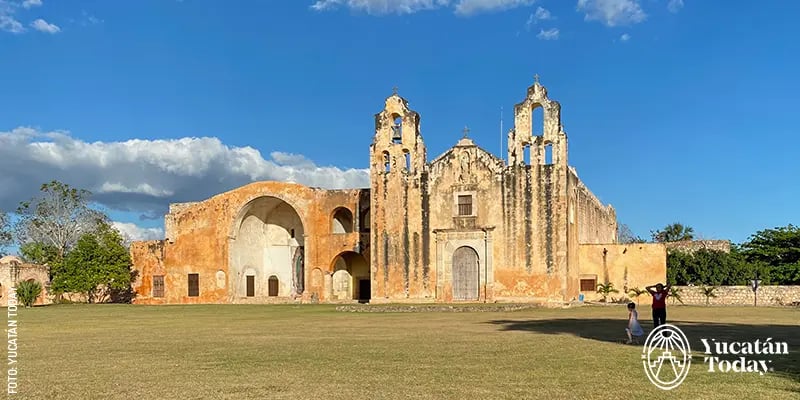
Among Yucatán’s Magical Towns, none says “cultural tourism” quite like Maní. Its church and former convent, the site of the infamous auto da fe led by Friar Diego de Landa (which can be visited through tours arranged by the municipal tourism office with advance reservation by emailing direccionturismo2022@gmail.com) offer a fascinating journey through Yucatán’s history and artistic heritage. You can also learn about the stingless melipona bees raised in the area or participate in workshops led by local masters, covering everything from traditional cooking to embroidery. And of course, you can’t miss the legendary poc chuc—grilled pork fillet—a local specialty. In Maní, every minute is a delightful experience.
Traditional dish: Poc chuc, charcoal-grilled pork fillet.
Iconic sights: Former Convent of San Miguel Arcángel, Yucatecan Embroidery Museum.
Magical Town since 2023
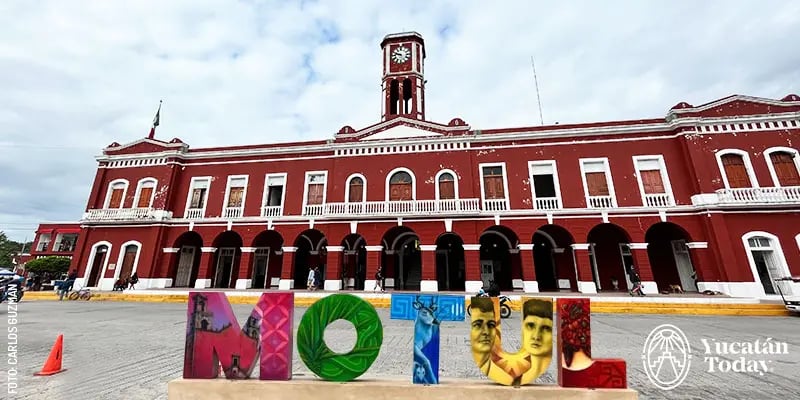
The Magical Town closest to Mérida offers an impressive blend of history, cuisine, nature, and cultural attractions. Beyond its rich colonial architecture, Motul is the birthplace of two celebrated pioneers of human rights in México, Elvia Carrillo Puerto and Felipe Carrillo Puerto. It is also home to a crystal-clear cenote where local families gather to cool off on weekends.
Traditional dish: Huevos motuleños, eggs served with beans, tomato sauce, and fried plantains.
Iconic sights: San Juan Bautista Parish and Former Convent, Carrillo Puerto House Museum, Sambulá Cenote.
Magical Town since 2020
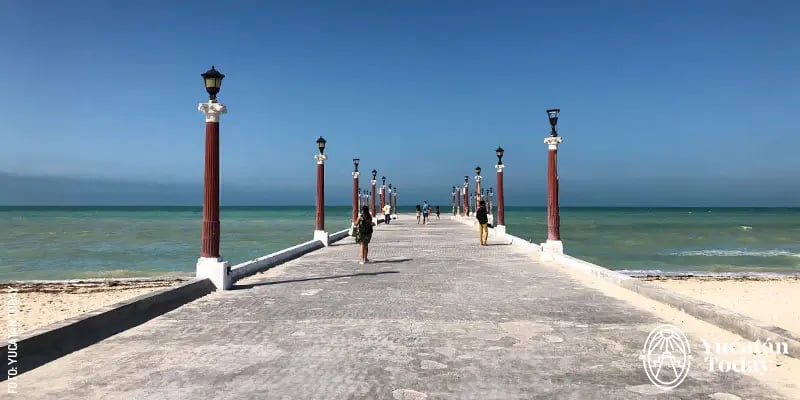
The only Magical Town on Yucatán’s Gulf coast, Sisal stands out for both its natural beauty and its history. Once the state’s principal international port and a target of pirate attacks, it is now a peaceful fishing village. While the sea and its white-sand beaches are undoubtedly the main attraction, visitors will also find charming mangroves, tranquil freshwater springs, and, of course, unforgettable feasts of freshly caught seafood.
Traditional dish: Fresh seafood.
Iconic sights: The pier, lighthouse, and Santiago Fort.
Magical Town since 2023
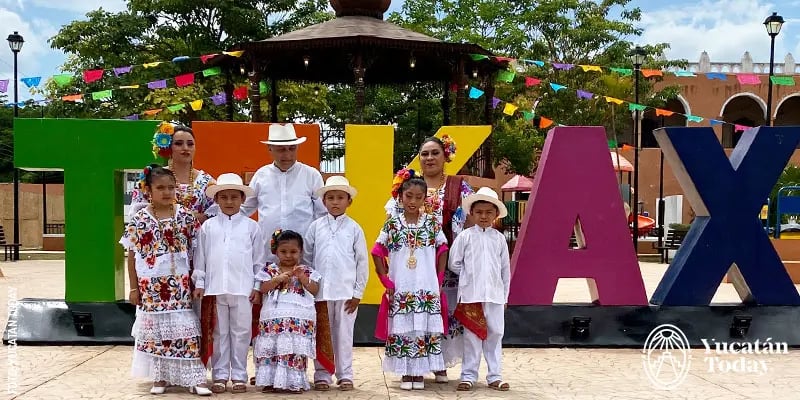
If adventure travel is your thing, Tekax is the Magical Town for you. Known as the “Sultana of the Hills,” it lies in the heart of the Puuc Biocultural State Reserve, surrounded by hills, valleys, and a vast labyrinth of underground caves. Here you can enjoy hiking, caving, off-road mountain biking and ATV circuits, ziplining, rappelling, and many other family-friendly activities with varying levels of difficulty.
Traditional dish: Breakfast tacos from the local market.
Iconic sights: San Diego de Alcalá Hermitage, San Juan Bautista Church (the second-largest church in Yucatán after Mérida Cathedral), the Mural Alley.
Magical Town since 2012
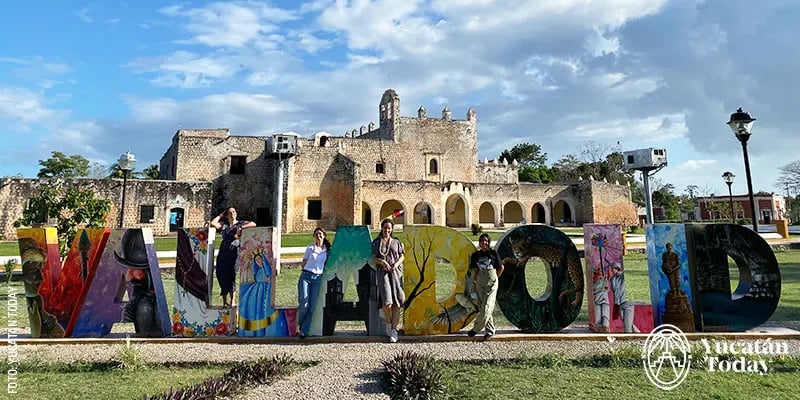
This Pueblo Mágico sits at the crossroads where several toll roads to Quintana Roo meet, making it a convenient stop for travelers heading to Chichén Itzá, one of the New Seven Wonders of the World. But Valladolid’s special allure goes far beyond its location (though it undeniably benefits from a steady stream of visitors). Founded in 1543, just a year after Mérida, the town boasts breathtaking architecture (such as the Convento de San Bernardino de Siena), stunning natural attractions (including cenotes within the town and just outside it), charming streets (like the picturesque Calzada de los Frailes), and a culinary scene that’s second to none (it’s impossible to pick just one highlight).
Each of Yucatán’s Pueblos Mágicos offers its own brand of enchantment, waiting to be discovered at your own pace. Whether you're drawn by history, nature, adventure, or simply the allure of a hidden gem, these towns promise an unforgettable experience.
Traditional dishes: Longaniza sausage, lomitos, escabeche, and chachak waajes (oven-baked tamales).
Iconic sights: San Servacio Church, Former Convent of San Bernardino de Siena, Calzada de los Frailes.


Toastmasters en Mérida: Clubes de Oratoria para Vencer el Miedo

Cómo Recorrer los Pueblos de Yucatán por Tu Cuenta: Guía de Ruta

Yucatán con Niños: Guía para Armar el Itinerario Familiar Perfecto

Your 2026 Guide to Yucatán’s (Many) Video Mapping Shows

When Faith Meets the Sea: the Pilgrimage of the Black Christ of Sisal
