

In the Maya villages of eastern Yucatán, Christmas is a hugely important celebration, filled with devotion, faith, and joy. While holiday festivities in large cities tend to be more family-focused, in Yaxcabá, Christmas is a true community festival. All the town’s inhabitants celebrate together, setting aside their differences to gather around the manger of the Christ Child (Niño Dios).
A Feast for the Whole Town
In Yaxcabá, Christmas festivities are celebrated in a unique and massive way. The main setting for the celebration is the home where the town's Christ Child image is being hosted. The family that serves as the Child's custodian is also tasked with preparing a large party on December 24th and 25th with music, food, and drink for everyone in the village, as well as for all visitors. Located in the center of the state, Yaxcabá is a Maya town with around three thousand inhabitants, making the celebration genuinely grand.
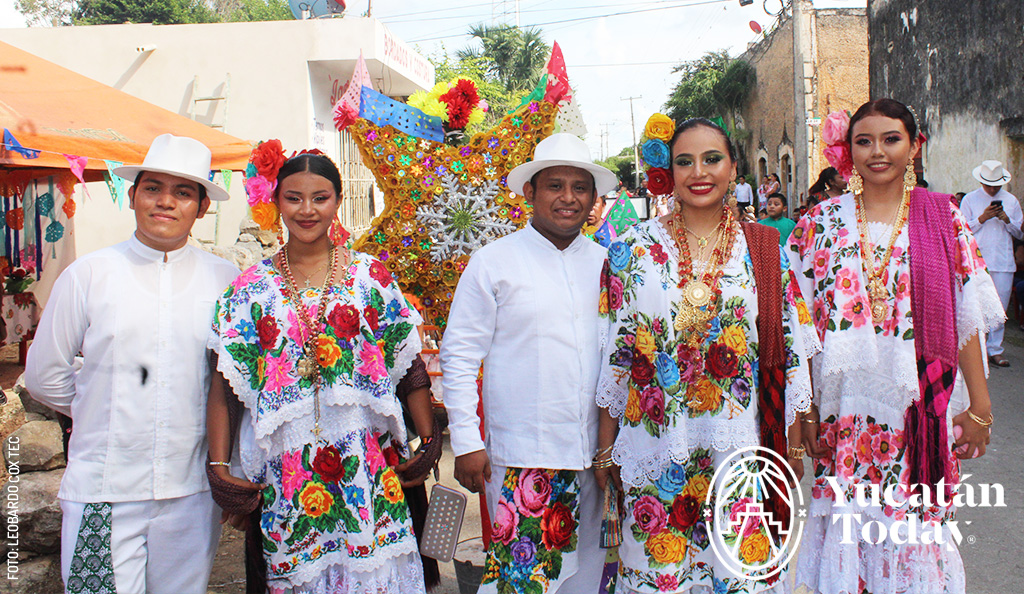
Due to the magnitude of the party, preparations begin months in advance. Throughout the year, people approach the hosting family to make their donations: some give pigs, turkeys, chickens, sodas, beers, decorations, or commit to providing the corn for the tortillas. Additionally, many volunteer their time to receive and assist guests, cook, chop firewood, and prepare the oven or píib where huge quantities of cochinita pibil and relleno negro will be cooked.
On the night of the 24th, tacos and drinks are handed out after a prayer for the Child; on the 25th, plates of relleno negro are offered as lunch to everyone who attends. It truly is a party for all!
The Dance of the Star and the Pig's Head
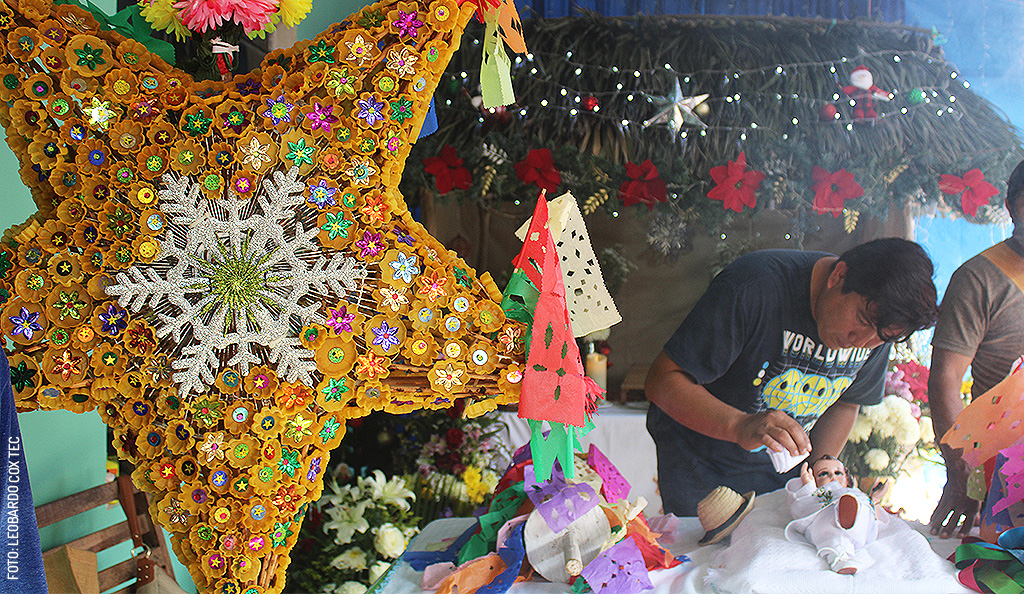
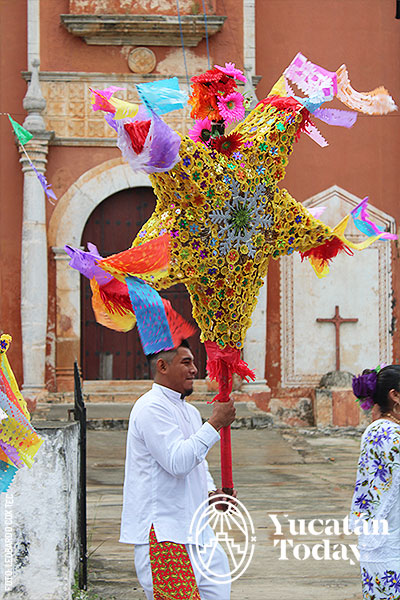
A few weeks before Christmas, a group of collaborators meets in a house chosen the previous year to assemble the main Christmas offering: the Star Bouquet (Ramillete de Estrella). This is a wooden structure in the shape of a five-pointed star that is decorated with beeswax flowers (lolikib, in Maya). These flowers are crafted artisanally using a scaly wax technique and affixed to the frame with black wax from native bees. Each small wax flower is hand-adorned with sequins.
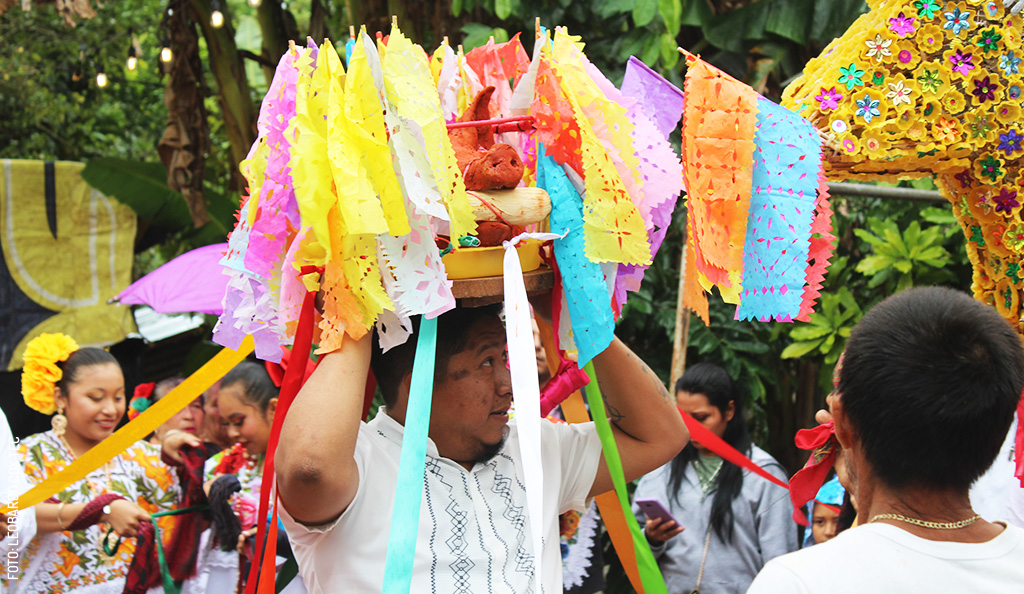
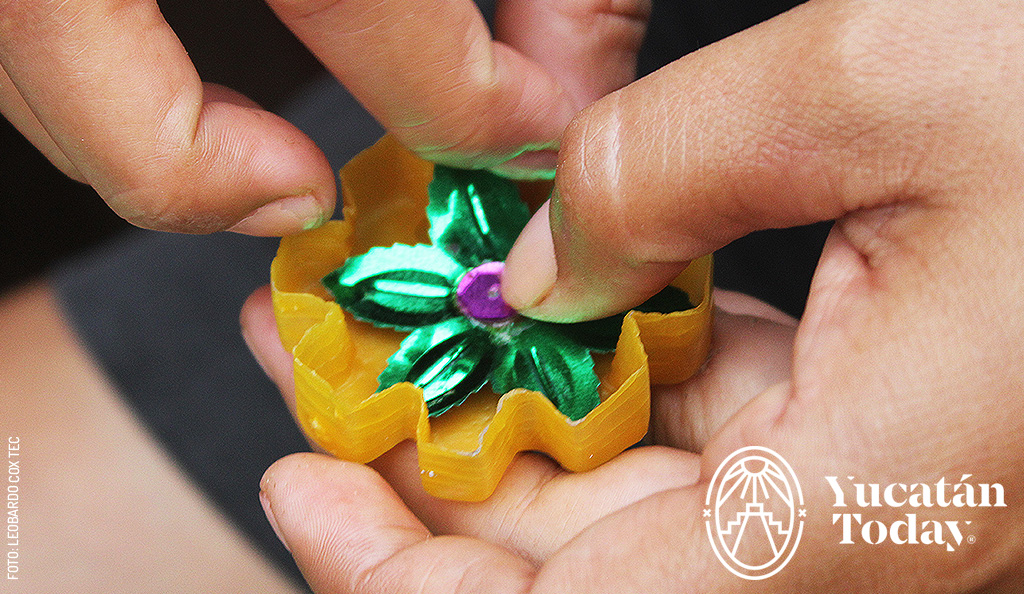 The bouquet recalls the Star of Bethlehem that guided the shepherds to meet the Christ Child. To commemorate this event, the yaxcabenses follow the star, dancing to the rhythm of the charanga jaranera band, carrying offerings of liquor and a cooked pig's head decorated with crêpe paper. Upon arriving at the enclosure where the Christ Child resides, they perform the Ók’ostajpool or Dance of the Pig's Head, as a thank you for the blessings received.
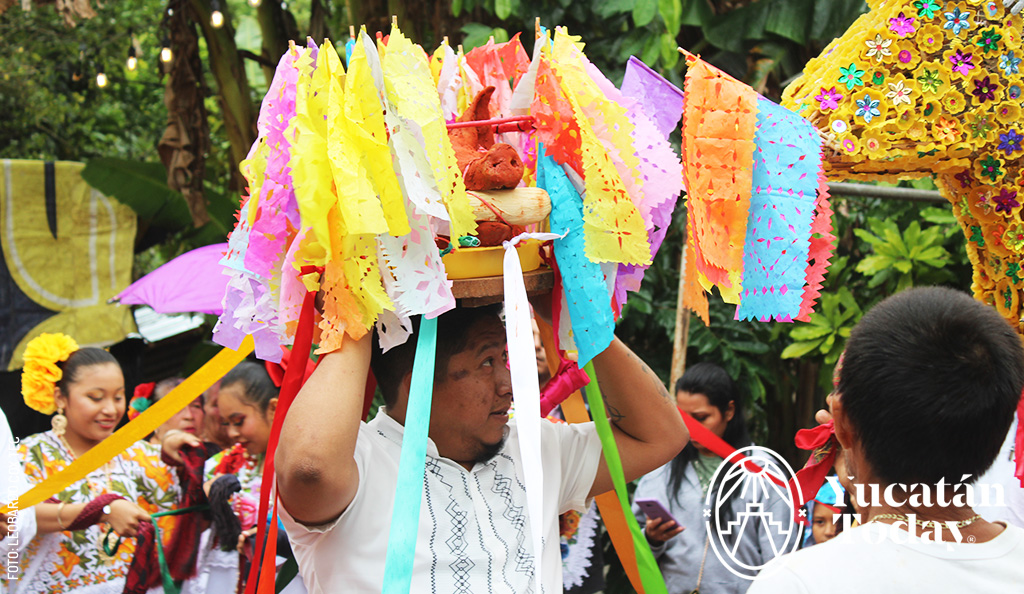
The main dancer holds the pig's head, personifying the animal, which is why the dancer runs and "disobeys" his "owners." It is customary for people to shout, "Water for the pig!" or "The pig is thirsty!", and at that moment, someone offers the dancer a beverage known as waak’ or waaro—a cane liquor mixed with soda and ice—as a refreshment. Occasionally, the other dancers are splashed with the same drink, evoking the rains.
On the night of December 25th, families in Yaxcabá who wish to participate in a raffle. The prize? The honor of receiving the town's Christ Child and hosting the grand Christmas celebration the following year. This is a tradition you must experience at least once!




Related articles


