


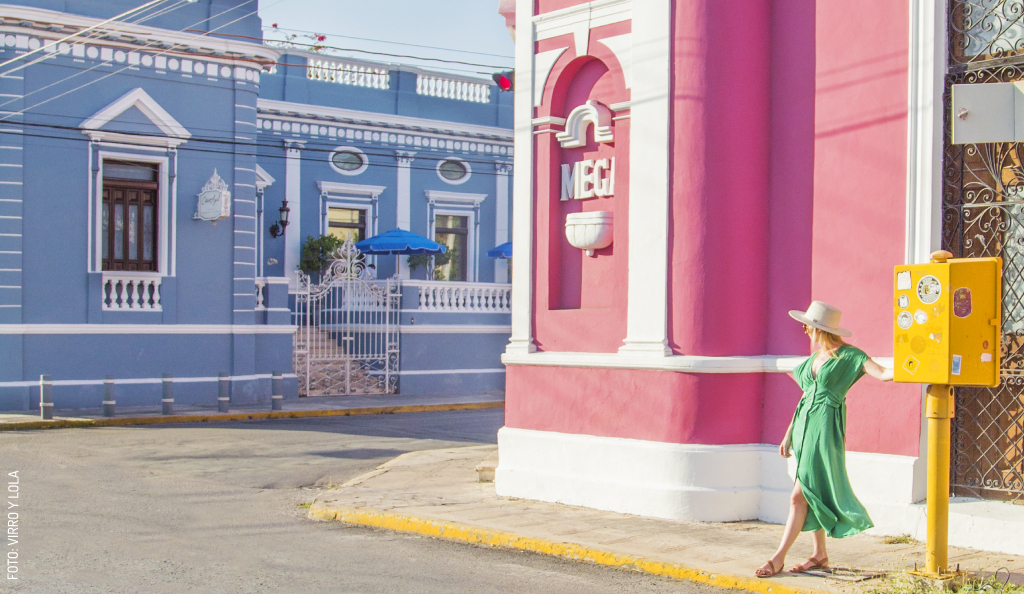
When you visit Yucatán for the first time, some places are simply non-negotiable must-sees.They may be clichés (and in some cases, you’ll find not all Yucatecos find them exciting anymore), but you can’t really go home without seeing them for yourself. Here are five sides of Yucatán you need to include in a Yucatán visit.
Ancient Wonders: The Archaeological Sites of the Maya
Ruins or archaeological sites?
At Yucatán Today, we prefer to avoid referring to archaeological sites as "ruins." This is because, unlike many European "ruins" (such as the Colosseum or the Parthenon), the Maya structures you visit are the result of extensive excavation and restoration. They represent the dedicated work of hundreds of professionals—including archaeologists, anthropologists, historians, construction workers, architects, and biologists, among others. The actual, unrestored ruins often remain closed to the public. However, we recognize that the term “ruins” is widely used in good faith to describe these heritage sites.
.webp) The number one reason most people visit Yucatán is to immerse themselves in the remnants of the ancient Maya civilization, exploring the myriad sites that once thrived as powerful city states. From the majestic and very commercialized Chichen Itzá at one end of the spectrum, to the magical lost city of Chacmultún at the other, some of these sites are large, internationally renowned, and even World Heritage material. Others are more sublime, unrestored, and mysterious among the foliage of our dense dry tropical forest (the technical name for what some call the jungle, or “monte,” on the northern part of the peninsula).
The number one reason most people visit Yucatán is to immerse themselves in the remnants of the ancient Maya civilization, exploring the myriad sites that once thrived as powerful city states. From the majestic and very commercialized Chichen Itzá at one end of the spectrum, to the magical lost city of Chacmultún at the other, some of these sites are large, internationally renowned, and even World Heritage material. Others are more sublime, unrestored, and mysterious among the foliage of our dense dry tropical forest (the technical name for what some call the jungle, or “monte,” on the northern part of the peninsula).
That is not to say that the ancient Maya are the only ones worth your time. The present-day Maya are very much alive and relevant in Yucatán’s daily life, and many of them offer visitors their services as guides, cooks, and even traditional cuisine teachers.
But back to the archaeological sites. For the perfect combination of restored buildings, temples, and the “lost city in the jungle” feel, Uxmal and its sister sites on the Puuc Route are the places to visit, especially if you’re looking for that experience that will shape the rest of your ventures into Maya history. There’s also a quite spectacular video mapping show at night; check our event calendar for more information.
Cenotes: Gateways to the Underworld
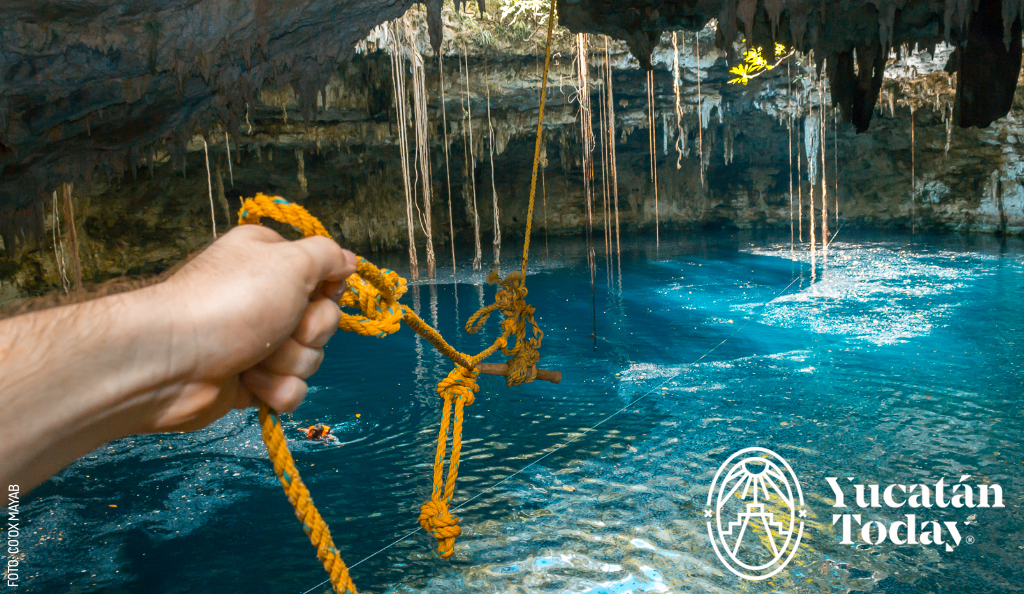
Beneath the Yucatán Península, many an underground river flows. Fresh water moves silently between the Gulf of México and the Caribbean Sea, occasionally bubbling up to the surface in lagoons and along the coast as “ojos de agua”—natural springs. Maya navigators once used these springs to fill their canteens at sea, allowing them to avoid unnecessary landfall and make their progress along sea trading routes that much speedier.
Over the millions of years since the Yucatán Península was violently thrust out of the ocean by the impact of a meteor, some of the surface rock has caved in, revealing cavities where the groundwater is exposed. These openings, some large and others tiny, often resemble water-filled caves and were used by prehistoric people and then the Maya for ceremonies, as they were considered a portal or gateway to the underworld. Maya elders in small villages still speak of spirits inhabiting these spaces. You may find places where a local will make an offering at the entrance of such a cave to appease these spirits and ask them for permission to enter.
Today, many people visit cenotes for their refreshing fresh water swimming possibilities, but if you arrive early on a weekday, you might be able to feel the mysterious, magical vibe of these underground wonders. Regardless of when you visit, try to be mindful of the history and sacredness of your surroundings.
Haciendas: Architectural Beauty and the Henequén Legacy
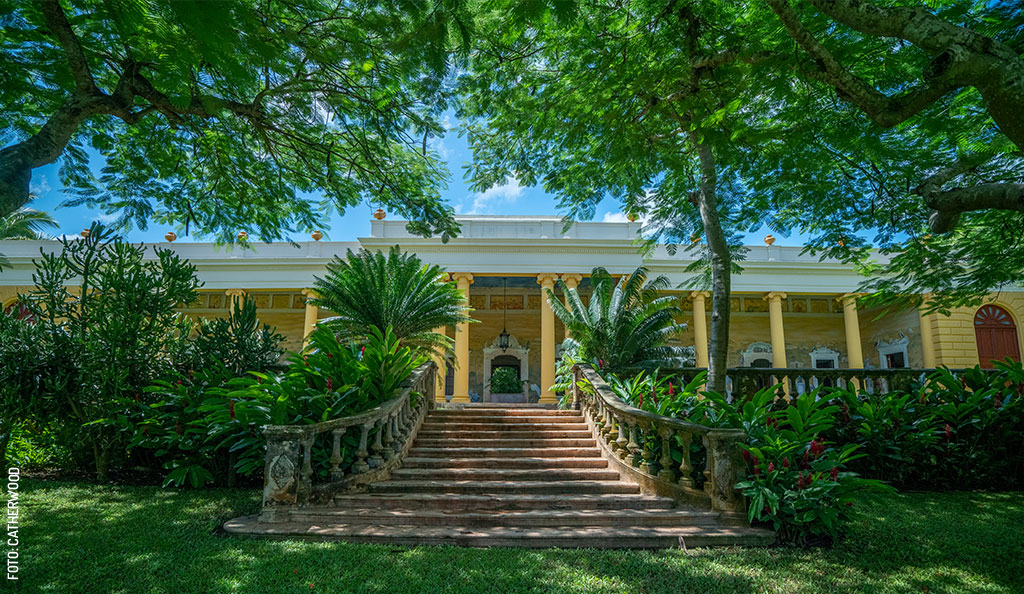 The haciendas, or plantations, are also on many people’s lists of “musts.” These are reminders of another time, when predominantly white Yucatecan families became enormously wealthy thanks to the work of the predominantly brown Maya who planted, harvested, and processed henequén (or sisal)—the fiber that brought prosperity to this region in the 1800s.
With that caveat in mind, the estates are still interesting from a historical/architectural standpoint. These almost feudal estates vary from very large (such as Yaxcopoil with 25,000 acres) to the remarkably ostentatious and castle-like Chenché de las Torres. Smaller, more modest plantations trying to emulate their grander cousins include Mucuyché, Sotuta de Peón, and Sabacché, just to name a tiny fraction of the many you will find. Some are completely abandoned and crumbling, while many others have been restored as hotels, private residences, or restaurants that are great for the entire family. One of the first to be restored is Hacienda Teya, now a venue for social events and a popular destination for visitors looking for authentic Yucatecan cuisine.
The Best of Yucatecan Cuisine: A Culinary Must-Do

Speaking of cuisine, Yucatecan cuisine is recognized as one of the most varied, complex, and delicious in México. Visitors are enchanted by such strange and wonderful foods as sikil p’aak (a pumpkin seed/roasted tomato dip), queso relleno (what IS a Dutch Edam cheese doing in Yucatán?), and, of course, the internationally renowned cochinita pibil.
There is no shortage of places to sample the delights of the Yucatecan kitchen, offering both traditional and modern versions. Don’t miss La Lupita and La Reina Itzalana in the Santiago market in Mérida; Rick Bayless’s favorite street taco joint Wayan’e; the award-winning Kinich in Izamal; or the smoky, darkly elegant Pueblo Pibil in Tixkokob.
Any and all of these places (and there are more) are sure to satisfy your craving and curiosity when it comes to the spectacular cuisine of Yucatán. Skip the burgers, pasta, and McDonald’s and go local.
Yucatán's Natural Attractions: Flamingos, Mangroves, and Wildlife
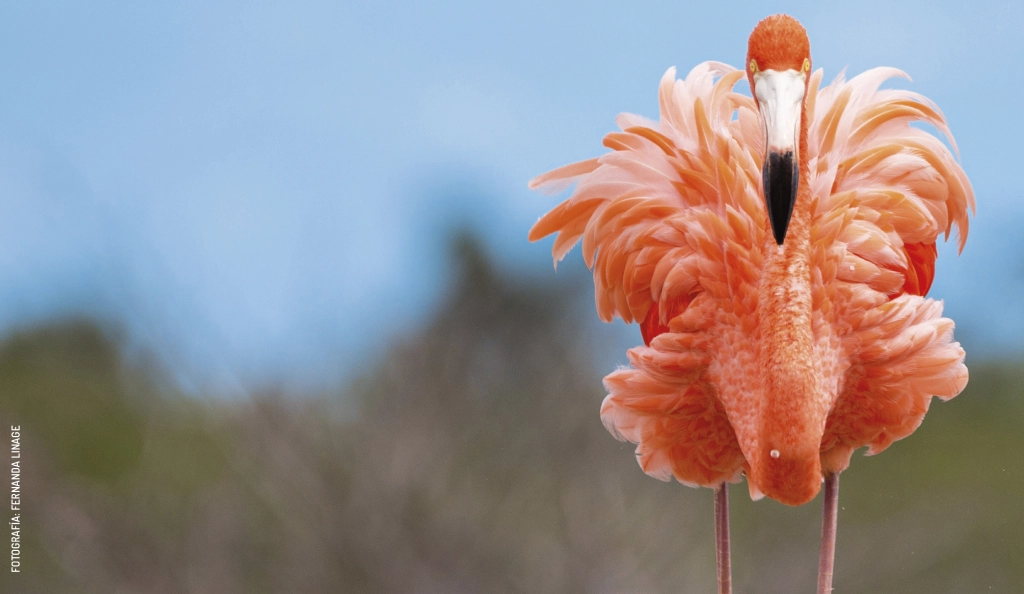 Finally, and as if all of the above wasn’t enough, Yucatán is also blessed with a few stunning natural attractions. Along the coast, besides the fascinating pink salt evaporation pools in the areas where salt has been produced for hundreds of years, you'll find incredible coastal birdlife.
Sisal, Progreso, Telchac Puerto, and Celestún beckon with kayak and boat tours designed to put you in the mangroves to see unique marine wildlife up close and personal. Pink flamingos are a common sight in both Celestún and Río Lagartos; how many you’ll see varies by season, but it’s very rare to not see any.
If you visit Celestún, take the boat tour through the estuary and swim in the freshwater spring that feeds it, creating the unique combination of fresh and saltwater that is vital to the flamingos and their food. Tip: Go early, as early as you can. If you’re there by 7-7:30 am you’ll see the birds before they head off to feed for the day. Also, keep an eye open for crocodiles, as they can be spotted on low-hanging semi-submerged branches of the mangrove forest.
Birdwatching inland is also very rewarding. Again, sacrificing a few winks will reward you with a wide variety of birds that can be observed; the Yucatán Peninsula boasts one of the highest concentrations of bird species on the continent!
Whatever you decide to do, all of us here at Yucatán Today hope you will make time to enjoy as many of these Yucatán highlights as possible!
Photography by MUGY, Co'ox Mayab, Catherwood, Fernanda Linage, Virro y Lola, and Yucatán Today for use in Yucatán Today.
First published in Yucatán Today print and digital magazine no. 427, in July 2023.
Updated and published in Yucatán Today print and digital magazine no. 457, in January 2026.


Related articles


