

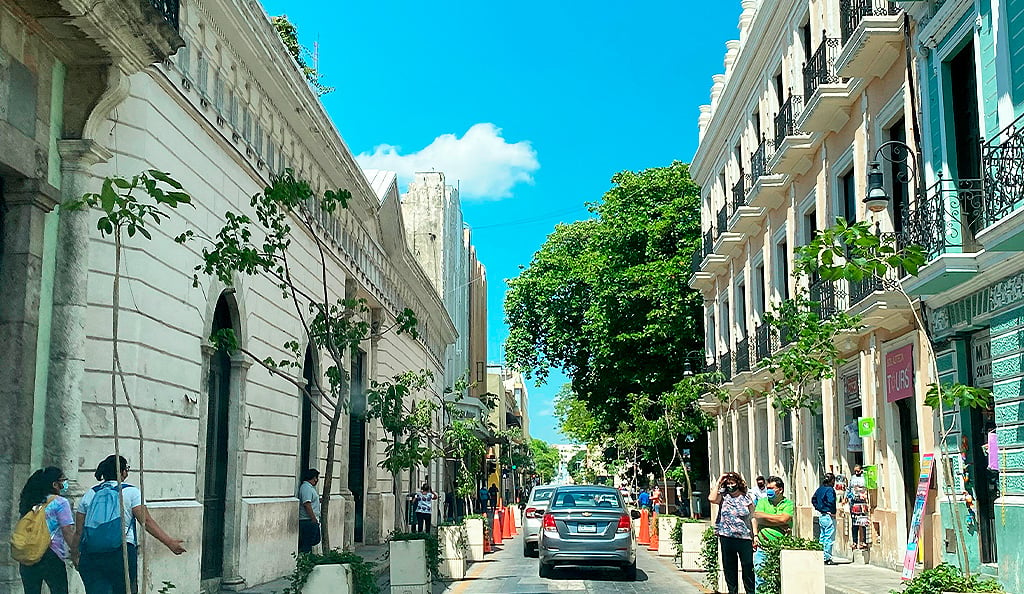
The Historic Center segment of Calle 60 concentrates the cultural heart of Mérida, bordering the Plaza Grande, the Government Palace, the Peón Contreras Theater, and the Gastronomic Corridor between the traditional neighborhoods of Santa Lucía and Santa Ana. Toward the north, the avenue evolves to host modern architecture, shopping centers, and cultural venues such as the Siglo XXI Convention Center and Ka’ Kutzal Cenote.
Mérida’s Calle 60: A Route Through the City, North to South
There are roads we travel every day, whether we’ve lived in a city all our lives or are just passing through. They’re the iconic streets and avenues that hold countless stories and a rich legacy—one we often don’t know about or simply don’t stop to appreciate.
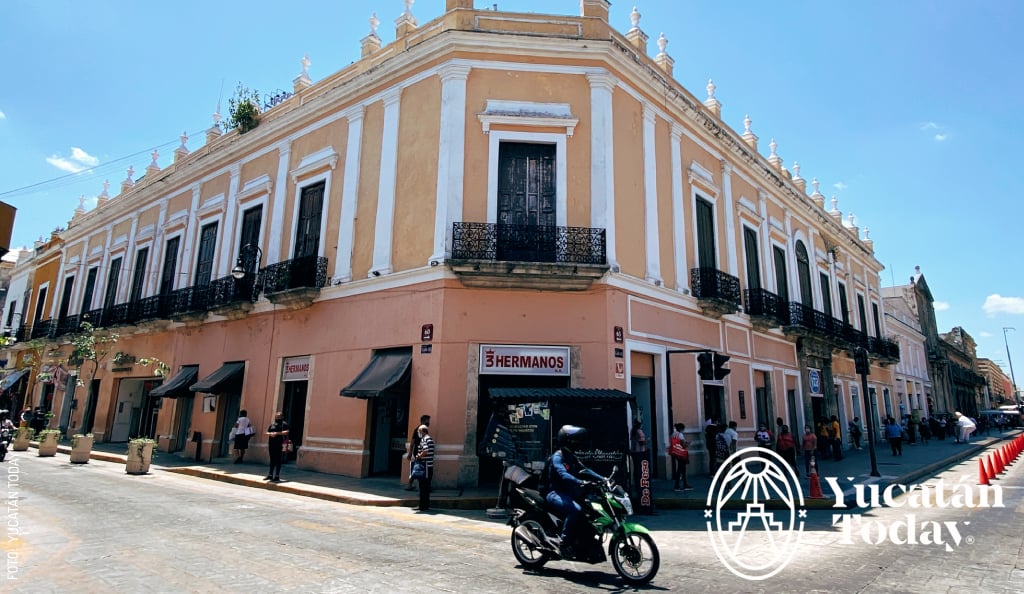
In Mérida, one of them is Calle 60 (60th street), a major thoroughfare that runs from south to north—and, along some stretches (or by foot, of course), in either direction. Hundreds of Meridanos use it every day, as it quite literally passes through the entire city. For travelers looking to experience Mérida as locals do, Calle 60 makes for a great route. So today, we’re exploring its different stretches, which you can follow too to discover how Mérida has evolved—all in a straight line.
Central stretch:
The heart of Mérida

We’ll begin our journey in the city’s richest area when it comes to history, beauty, and things to see: the Historic Center. Calle 60 forms one of the boundaries of the Plaza Grande, making both the square and the San Ildefonso Cathedral two of the oldest Mérida landmarks you’ll find along this route. The Palacio de Gobierno, inaugurated in 1892, isn’t all that far behind.
A few steps farther along, you’ll also find the Daniel Ayala Theater, Parque Hidalgo, the Iglesia de Jesús (also known as the Iglesia de la Tercera Orden), Parque de la Madre, the José Peón Contreras Theater, and the Central Building of the Universidad Autónoma de Yucatán (UADY).
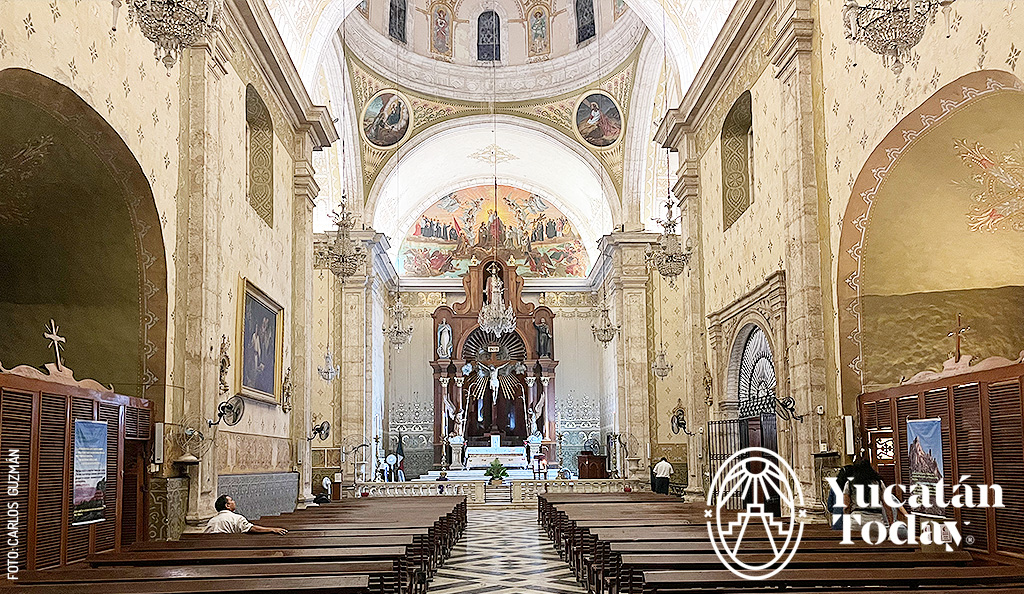
Calle 60 is also home to the churches that give their names to two of Mérida’s traditional downtown neighborhoods (barrios): Santa Lucía and Santa Ana. The parks and plazas that accompany them are right along the same street.
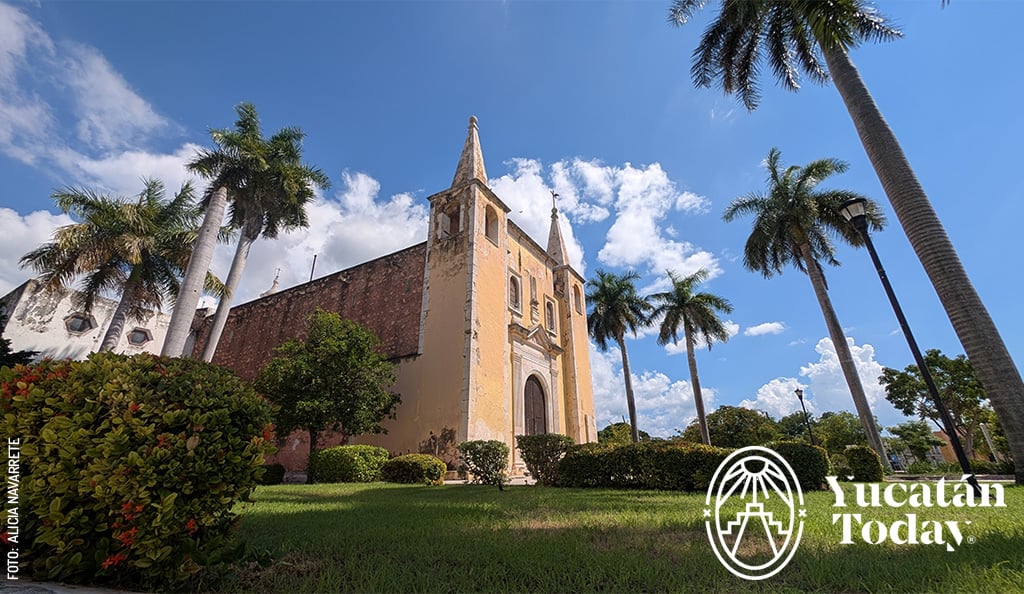
Between these two churches lies the Gastronomic Corridor of Calle 60, with options for every taste and budget. You’ll also come across plenty of boutiques and eye-catching monuments, including the giant sillas confidentes in Parque de Santa Lucía and the monument to Andrés Quintana Roo in Parque de Santa Ana.
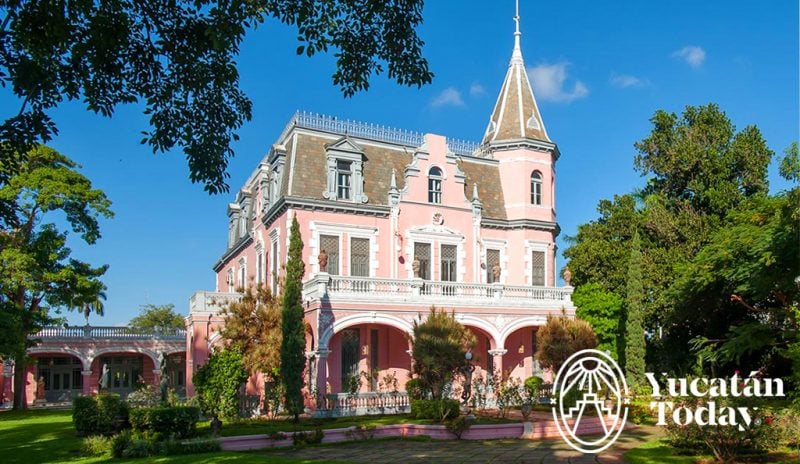
Just a few minutes from Santa Ana, you can visit Paseo 60, El Pinar, or Casona 333. Once you cross Avenida Colón (which would be Calle 33 if the numbering continued), Calle 60 carries on beyond Mérida’s Historic Center—but that doesn’t mean there’s nothing left to discover.
Mid-Northern stretch:
The Mérida locals know
Between Avenida Colón and the San Marcelino Champagnat roundabout, Calle 60 passes through one of the areas most frequented by Meridanos. It’s a great stretch for getting to know a more everyday side of the city, with many of the places that are part of our daily routines: shops, cafés, and other businesses, from supermarkets and international brands to schools and higher-education institutions with deep roots in Mérida.
Heading north from the south, highlights include the Salvador Alvarado Stadium, a large public sports complex offering a wide range of facilities and training programs, many of them free or low-cost. Farther along, you’ll come across Colegio Mérida (originally the Jesús-María School). Although it was founded in 1952, the roots of this girls’ school date back to 1902.
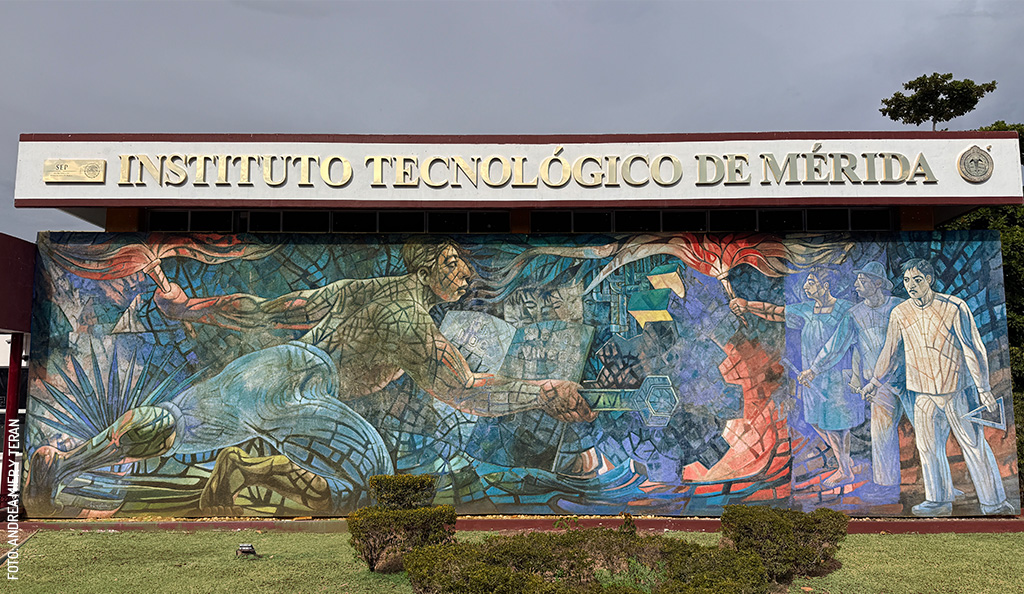
A few blocks farther north, you’ll find the Instituto Tecnológico de Mérida (whose façade features a beautiful mural by Yucatecan artist Víctor Argaez), the Mérida Campus of the Center for Research and Advanced Studies (CINVESTAV) of México’s Instituto Politécnico Nacional, and Centro Universitario Montejo.
Northern stretch:
Culture, shopping, and new spaces
A few meters after Calle 60 merges with Prolongación Montejo, two of Mérida’s most recognizable landmarks come into view: the Yucatán Siglo XXI Convention Center and the Gran Museo del Mundo Maya, one of the most important cultural venues in Yucatán.
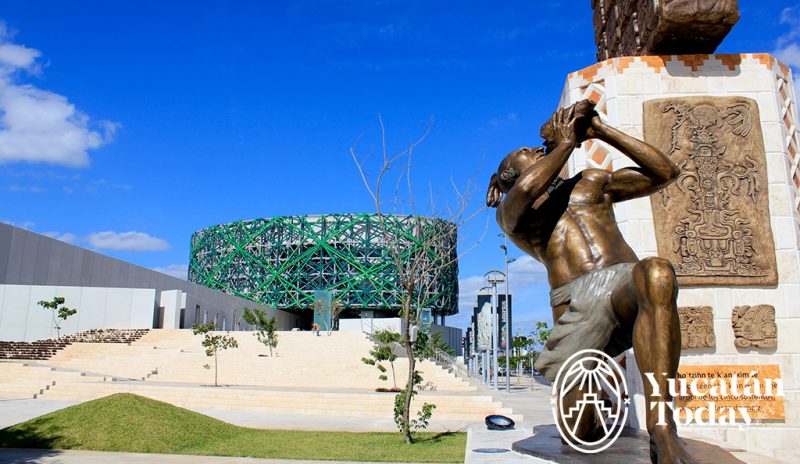
You can even take a short walk to Cenote Ka’ Kutzal, a cenote located right within the Costco parking lot. Its picturesque setting has made it a popular stop for people visiting Mérida.
If you need a break after all that walking and want to recharge, you can head to Galerías Mérida or The Harbor Lifestyle Mall, two of the city’s most popular shopping centers. And, by the way, the former is also home to an ice-skating rink.
To wrap up our tour, Calle 60 eventually becomes the Mérida–Progreso highway. So, if you’re the kind of adventurer who’s always looking for more, you can keep going to the port of Progreso or visit some of the nearby comisarías (sub-municipalities) of Mérida, such as Komchén, Temozón, or Xcanatún.
Southern stretch:
Monuments and churches among residential areas
The stretch between the southern part of the city and downtown isn’t particularly touristy; residential neighborhoods predominate here. That doesn’t mean, however, that you won’t find some wonderful surprises just a short detour away.
For example, all it takes is a couple of quick side trips to see the Iglesia de San Juan Bautista or the Ermita de Santa Isabel, or even visit the Monument to Pedro Infante, dedicated to one of the great icons of México’s Golden Age of cinema.
That’s cool, but how do I explore it?
Exploring Calle 60 is incredibly easy. There are countless ways to get to any of its stops, from rideshare services and taxis to several Va-y-Ven routes, combis, and other forms of transportation that travel along this important thoroughfare.
And if you’d like to make Calle 60 part of a larger, independent road trip around Yucatán, you could also rent a car and explore the route at your own pace.
In conclusion
As you’ve probably noticed by now, Mérida’s Calle 60 lets you experience a large part of the city within just a few kilometers, while also connecting you to many other neighborhoods where you can continue discovering and adding to your trip.
But perhaps most importantly, traveling along this road gives you a glimpse of how the White City has evolved—and continues to evolve. In that sense, exploring Calle 60 is a small journey through the history of Mérida.
So next time you find yourself on Calle 60, take a moment to stop, look around, and discover everything this iconic thoroughfare has to tell you.
Along Calle 60
Between 63 and 61
-
Plaza Grande
Between 61 and 59
-
Teatro Daniel Ayala
Between 59 and 57
-
Tercera Orden Church
-
Parque de la Madre
-
José Peón Contreras Theater
-
UADY Central Building
Between 57 and 55
-
Artesanaria
Between 55 and 53
-
Santa Lucía Church and Park
Between 53 and 51
-
Maya Chuc
-
Peccato
Between 47 and 45
-
Santa Ana Church and Park
Between 43 and 41
Between 37 and 35
Between 35 and Av. Colón
-
Paseo 60
-
Casona 333
-
El Pinar
Between Av. Cupules and calle 27 (Alcalá Martín)
-
Hotel Las Cruces
Entre 23 y 16
-
Estadio Salvador Alvarado
First published in Yucatán Today print and digital magazine no. 467, in November 2026.


Related articles


