

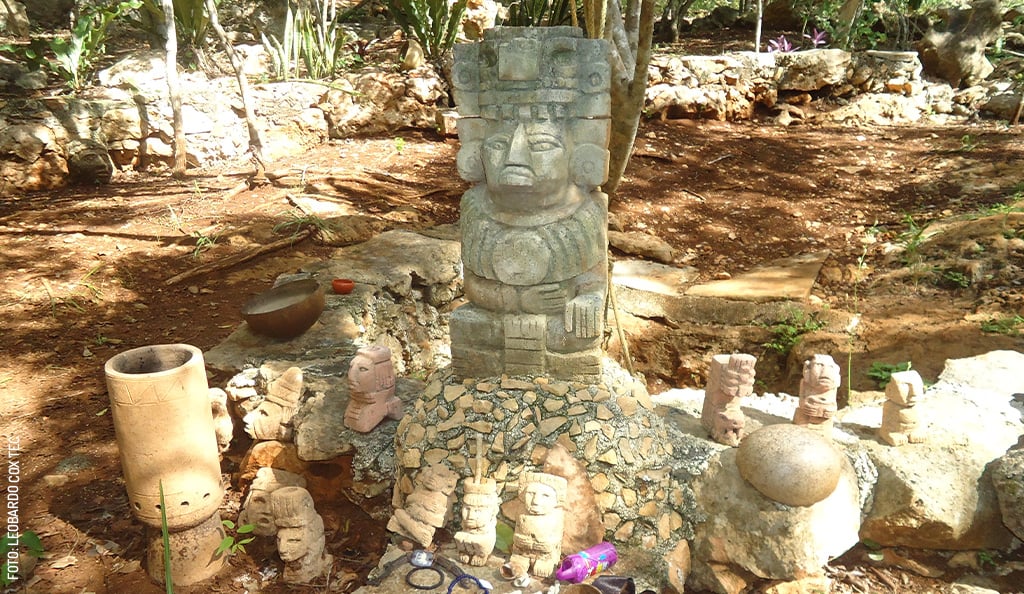
Rooted in Maya mythology, this story illustrates the cultural importance of respecting aluxes—small clay spirits guarding land, cenotes, and crops in Yucatán. The tale serves as a moral fable within regional folklore, highlighting traditional agricultural ceremonies and warning of the severe spiritual consequences of failing to honor ritual commitments made to earth spirits.
The Revenge of the Alux
Long ago, in the village of Tabi, there lived a solitary man who was well beyond his younger years. Gray colored his temples, and he wandered the village with a deep sadness, for he had never married and had no wife or children.
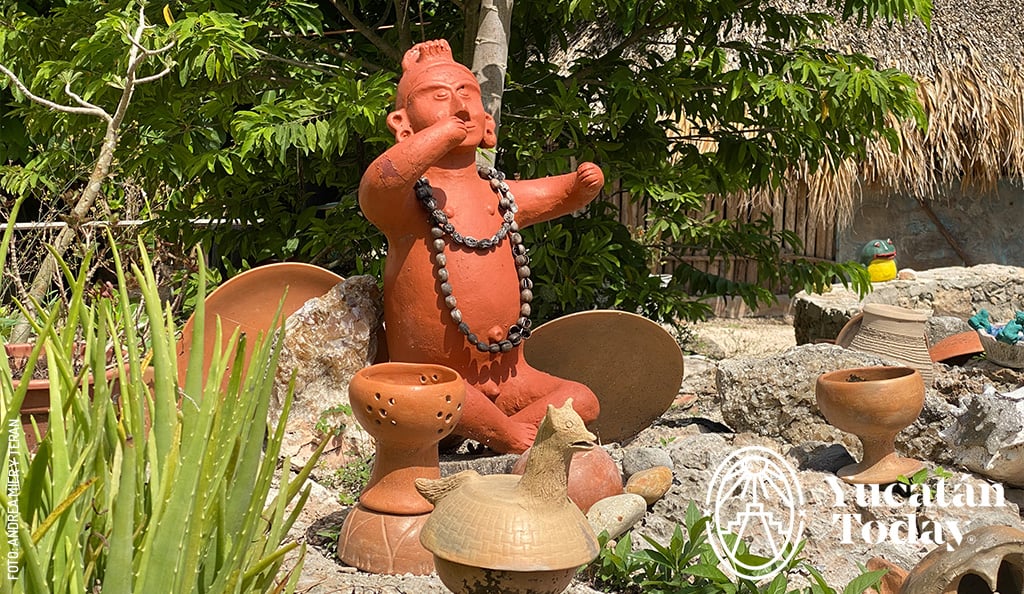
He was very poor, often going hungry, and loneliness consumed his days. One day, tired of suffering, he made a terrible decision: he would throw himself into the great cenote in the village square.
As he sank into the deepest, darkest waters, he heard what sounded like laughter and voices mocking him and his miserable fate. He opened his eyes beneath the water and was astonished to discover that there really was someone there.
Behind him stood an aruxk’at—an alux made of clay, a tiny, little being. The alux looked at him and asked:
“Why do you want to end your life?”
“I’m just so tired of my life and my loneliness! I’m poor; I go hungry during the day and suffer the bitter cold at night. I work honestly from sunrise to sunset, but I can never make enough money. The milpa gives me nothing, and to make matters worse, I’ve never met a good woman who would love me. I’ll never know the joy of having children.”
The alux smiled and said:
“I know how hard you work and how unfair life has been to you. I can give you everything you want, but in return I’ll ask you for one small favor. Nothing extraordinary. You only need to bring me a few offerings: honey or sugar, four jícaras of sakab, a golden beeswax candle, and a bouquet of flowers.”
Sakab is a ritual drink made from corn cooked with water and unalkalized corn. It is traditionally presented as an offering during agricultural ceremonies.
The man hesitated, then asked suspiciously:
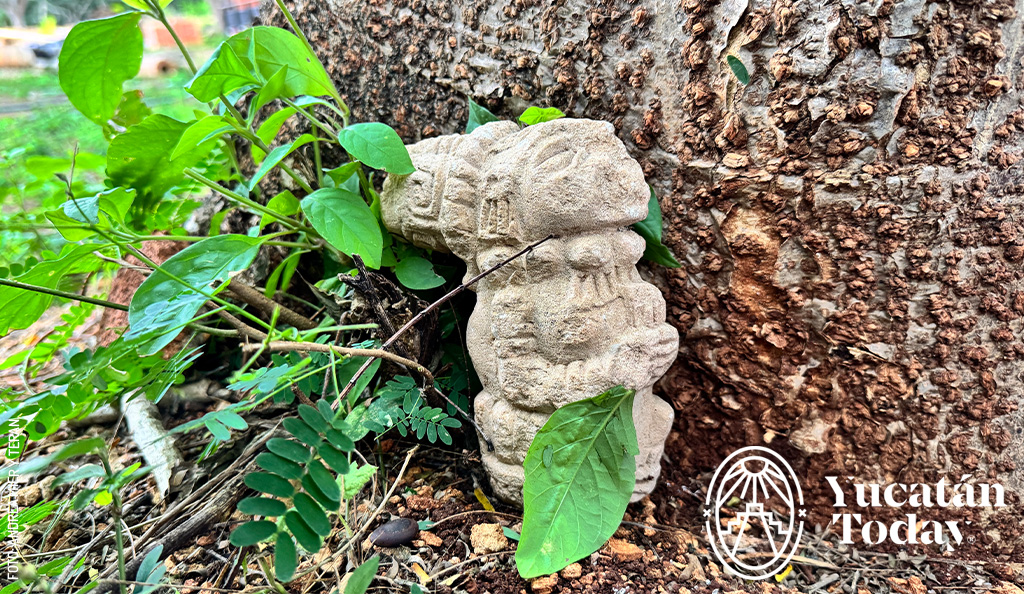
“But tell me something… Am I making a pact with k’aak’asba’al, the devil?”
“No,” replied the alux. “Only with me. For us aluxes to live in peace, we must eat, but I was abandoned in this cenote. My body is made of clay and corn, and I need to replenish it.”
“If that’s the case, then all right,” the man agreed. “I’ll put an end to your suffering, and you’ll put an end to mine.”
And so, his luck changed completely.
His milpa quickly flourished, and the corn harvest was abundant. With the money he earned selling it, he opened a small shop and became a merchant. His business grew quickly; if he bought something for one hundred pesos, he would sell it for three hundred. Before long, the man had amassed a small fortune.
He was also blessed with another stroke of luck: he met a beautiful, wealthy young woman who fell in love with him. He never could have dreamed that a woman like her would take an interest in him! Before long they were married, and a few months later, she became pregnant.
There was only one problem in their new marriage: the woman did not believe in spirits of the forest. She believed neither in aluxes nor saints, and she disliked having religious images or sculptures in the house.
Even so, the man was determined to keep his end of the bargain. Every so often, he would slip out in the early hours of the morning to take offerings to the alux at the cenote.
His wife began to notice her husband’s disappearances. One day, curious, she quietly followed him to see what he was doing in secret. She discovered him before an altar beside the cenote, speaking to the alux.
“Thanks to you, brother aruxk’at, I have everything I ever wanted.”
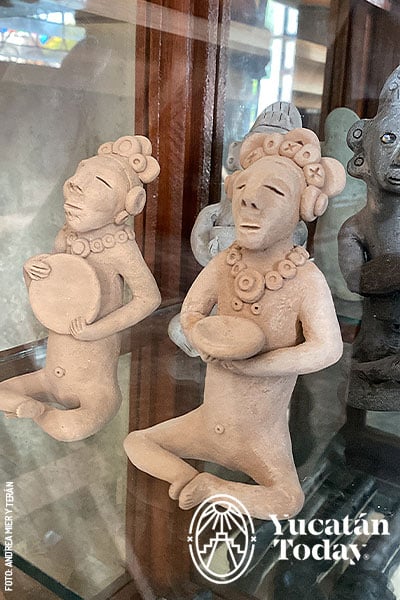
His wife was furious when she saw him kneeling before the little clay figure. Enraged, she stomped on the altar, cursed the gods, kicked the alux, knocked over the offerings, and snapped the golden beeswax candle in two.
“I can’t believe you worship lifeless idols! If I had known this, I never would have married you! You’re a fool to believe in such superstitions!”
Terrified, the man replied:
“Woman, don’t do something you’ll regret! You don’t play with aluxes. Everything we have was given to us by him!”
“We prospered because of our own hard work, not because of some useless clay doll! If you keep worshipping it, I’ll leave you! You’ll never meet the child I’m carrying!”
The man was afraid of losing the woman he had waited so long to find, so he decided to abandon the alux. No more sugar, sakab, candles, or flowers appeared on the altar. Their agreement was forgotten.
One day, as the man entered his bedroom, he heard a macabre laugh. It was the aruxk’at.
“I thought you were an honest man, but you forgot your promise. The wife I gave you managed to manipulate you, and now you’re going to lose everything. I will take revenge for what you and your wife did to me. I’m going to do something that will hurt you for the rest of your days!”
The man thought that if he returned to the cenote with offerings, the alux would calm down and everything would go back to normal, but a few days later, his wife went into labor.
The husband fetched the midwife and waited outside the house for the baby to arrive. Once the child was born, he walked inside to meet his newborn son—and once again, he heard the alux’s laughter and saw his wife was crying bitterly in the hammock.
When the man picked up his son, his blood ran cold. The baby was identical to the little alux. His face appeared to be made of rough clay, his skin had an earthy texture, and he had been born with an incomplete ear—the same way the aruxk’at’s ear had been left after the woman kicked him.
Overcome with terror and grief, the man ran all the way to the cenote in the village square, the very place where the alux had once saved his life. Without thinking, he threw himself into the water again.
This time, no one saved him: he died.
Because he had broken his promise, the alux had taken everything from him. After his death, the fortune the man had accumulated turned into tobacco leaves. His widow was left in poverty, raising a son who looked exactly like the alux. That was their punishment for blaspheming against the spirits of the forest.
First published on the Yucatán Today website in October 2026.


Related articles


