


When people think of Yucatecan cuisine, dishes such as cochinita pibil, huevos motuleños, and panuchos usually dominate the conversation. However, beyond these culinary ambassadors lies an entire universe of traditional recipes that have survived thanks to family memory, traditional cooks, and small restaurants committed to preserving these flavors.
Some of these dishes originated in specific communities, others were once staples of family celebrations, and many graced Yucatecan tables for generations. Today, they remain largely unknown—even among Yucatecos themselves—yet they represent an invaluable part of the state's culinary heritage.
Here are a few of these hidden flavors that are well worth discovering.
Valladolid-style mechado
In Yucatán’s traditional kitchens, mechado was a dish reserved for special occasions. Its preparation requires time, patience, and a combination of ingredients that reflect the mestizo (the mix of Spanish and indigenous) influences that define Yucatecan cuisine.
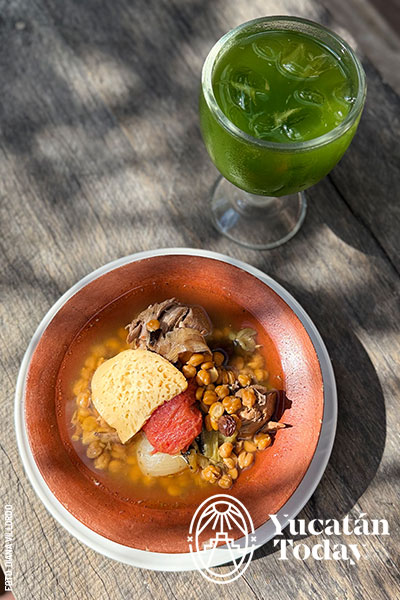
The version we tasted in the Magical Town of Valladolid, prepared by Chef Alejandro Aguilar, combines turkey, pork, chickpeas, egg, queso de bola (Edam cheese), olives, capers, and spices to create a rich and deeply nuanced dish. Traditionally, it is slow-cooked for several hours, allowing all the flavors to meld into a hearty and comforting meal.
More than just a recipe, mechado is a testament to the festive culinary traditions that still survive in some Yucatecan homes and longstanding local establishments.
Try it yourself:
La Palapita de los Tamales
Calle 42 #181 x 33 y 35, Valladolid, Yucatán
Tel. 985 856 1701
FB: La Palapita de los Tamales
Restaurant hours: Tue. - Sun. 8 am - 10:30 pm
Note: Mechado is served on Saturdays and Sundays beginning at 12 pm
Kots'ob: The ancestral flavor of Espita
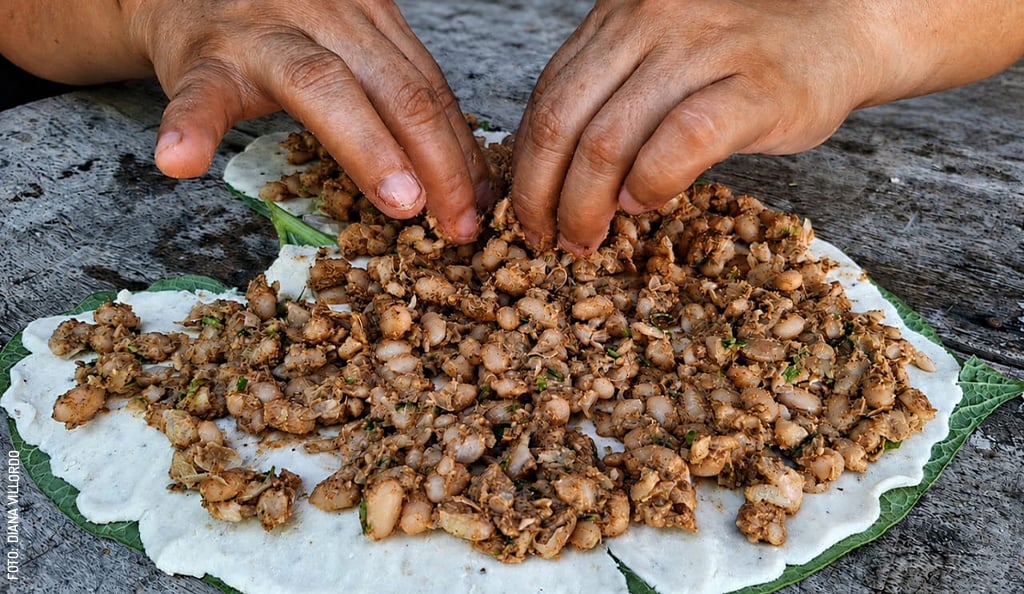
Native to the Magical Town of Espita, kots'ob is one of those culinary treasures rarely found outside the region. At first glance, it may resemble a tamal, but its preparation preserves ancestral techniques passed down through Maya culture.
Its main ingredients are a mixture of corn dough, ibes (white beans), and ground pumpkin seeds. What makes it truly unique is the use of tóoksel, a traditional technique that incorporates red-hot stones to impart a distinctive smoky flavor. The mixture is then wrapped in x-mak'ulan (hoja santa) leaves and steamed.
The name kots'ob comes from the Maya language and refers to the rolled shape the dish takes during preparation. The result is a simple yet deeply meaningful dish that remains closely tied to Espita’s culinary identity.
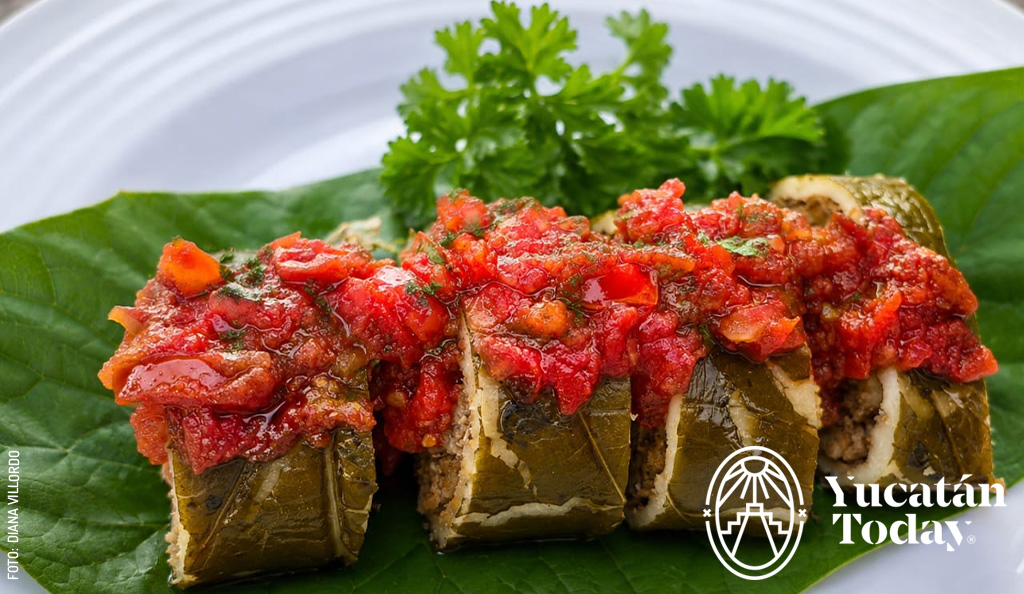
Now, if there’s a dish that’s harder to find than the rest, it’s probably this one. Do not count on trying kots’obes if you haven’t gotten formal confirmation from one of the people in Espita who makes them.
Try it yourself:
Hilaria Chan García
Espita
Tel. 986 105 2046
Cocina de Humo, Herencia de Melchor
Espita
Tel. 986 120 0381
FB: Cocina de Humo, Herencia de Melchor
Eusebia Trejo (Doña Chica)
Espita
Tel. 986 861 3775
FB: Cocina de Humo, Herencia de Melchor
Tekax-style black queso relleno
Although queso relleno is one of Yucatán’s most iconic dishes, there is a lesser-known version prepared in the Magical Town of Tekax that preserves recipes passed down from generation to generation.
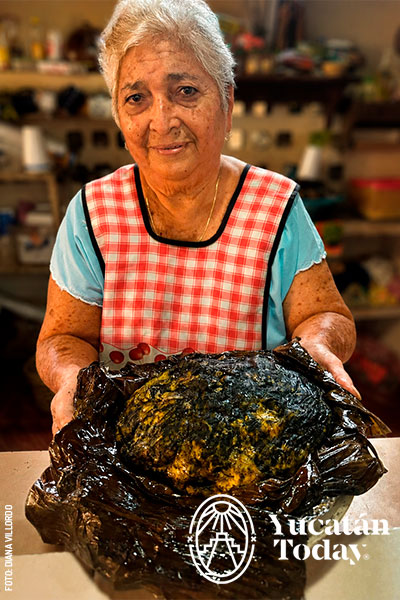
Doña Mirna Gorocica continues to make this family recipe inherited from her mother, Doña Antonia Buenfil, who had been preparing it for more than six decades. What sets this dish apart is its black sauce made with chilmole, which lends it depth, intensity, and a flavor profile that is distinctly different from traditional queso relleno.
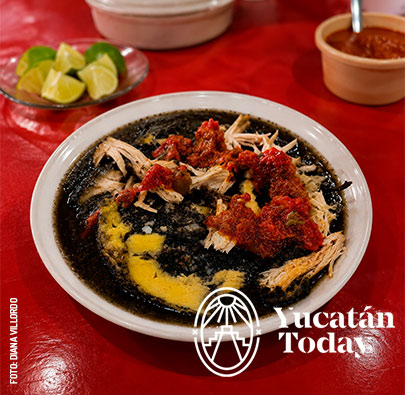
The queso de bola (Edam cheese) is stuffed with a seasoned meat filling, then slowly cooked and served with the dark, aromatic sauce. The result is a remarkable combination that showcases the richness and diversity of Yucatán’s most traditional cuisine.
Try it yourself:
Cocina Mirna Tradicional
Calle 55 #243 x 60 y 62, Tekax, Yucatán
Tel. 997 974 0564
IG: cocina_mirna
Every day, 8 am - 5 pm
Because many of these dishes are prepared only upon request or in limited quantities, it’s a good idea to make a reservation before visiting to ensure availability and fully enjoy the experience. In doing so, you'll not only discover authentic culinary treasures, but also help preserve a living culinary heritage that continues to endure in Yucatán's traditional kitchens.
First published in Yucatán Today print and digital magazine no. 464, in August 2026.
Photos by Diana Villordo for Yucatán Today.


Related articles


