

In Maya communities, Easter is celebrated in a way that differs greatly from conventional Catholic services. In Dzitás, a vibrant town in eastern Yucatán just 23 kilometers from Chichén Itzá, the people celebrate Chuuk Jeel (pronounced chook-hell) —a ritual that translates to “securing successors.” This celebration marks the passing of the torch between festival organizers through the preparation of balché, a transfer of duties, and a sacred dance.
The sacred spirit of balché
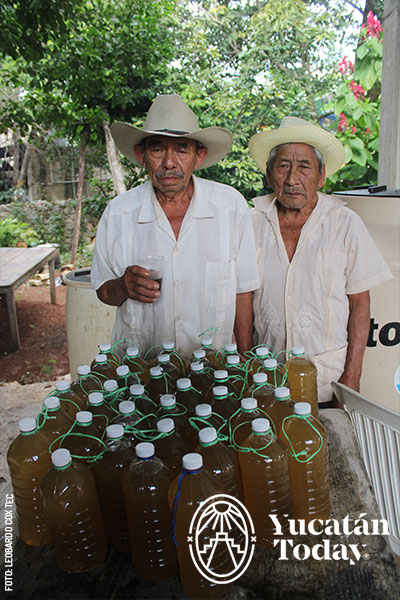
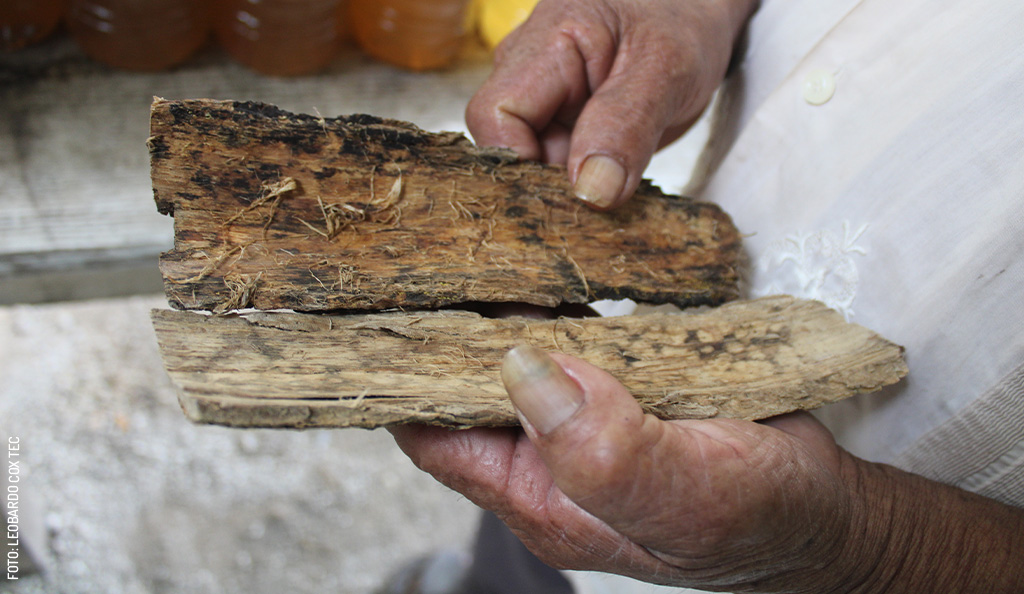
Balché is a sacred spirit made from the fermented bark of the balché tree (Lonchocarpus longistylus), mixed with water, honey or sugar, anise, and sometimes cinnamon. Its flavor is mostly mild and sweet, but it packs a punch when it has been well fermented. Balché has been a sacred drink since pre-Hispanic times; the Chilam Balam of Chumayel even prophesies that at the end of the world, the "True King" will demand a balché wine tree from his people, and that those unable to produce one will die.
Balché is also a key element in the celebration of Chuuk Heel in Dzitás. The festivities begin on Maundy Thursday, when 400 liters (over 100 gallons) of balché liqueur are prepared by that year’s organizers. Part of it is bottled in three glass bottles, which are decorated with flowers, packs of cigarettes, and ribbons. Jícaras with balché are offered on the altar of Santa Inés (Saint Agnes of Rome), the town’s patron saint, and the rest of the liqueur is bottled and sold to locals to raise money for the celebration.
The transfer of duties
Early on Holy Saturday, after the balché has been bottled, the ritual’s organizers offer lunch for everyone in the village. The dish traditionally consists of chokolomo (beef broth) and handmade tortillas. As this happens, the lively music of charangas jaraneras fills up the atmosphere.
At 4 pm sharp, dancers arrive, tasked with transferring the decorated bottles from their current location to the home of next year’s organizers. There, the Chuuk Jeel assembly takes place, where the new guardians pledge their commitment and receive guidance to ensure the following year's success.
The Balché Dance
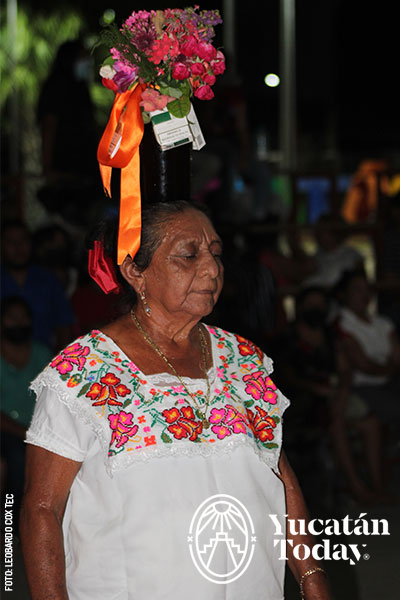
To celebrate the new leadership and announce it to everyone in town, a final event is held: the Dance of the Balché. Starting at 10 pm on Holy Saturday, a band plays popular music at the Municipal Palace of Dzitás. Then, at 2 am on Easter Sunday, a jaranera orchestra gets settled, and the protocol for the Dance of the Balché begins.
For this dance, three women are chosen to place the ceremonial bottles on their heads, as a show of commitment. This is a deeply solemn moment: only the three women and their partners are allowed on the dance floor. Nobody other than these six people may wear the gala outfits, and interfering with the ritual dance in any way is considered a serious offense. Depending on their experience, the dancers perform elaborate turns and movements, showcasing not only their skill, but also their devotion.
After the dance, everyone heads to the church to serenade Santa Inés, and then to the organizers’ home, where breakfast is served.
First published in Yucatán Today website in March 2026.


Related articles


