


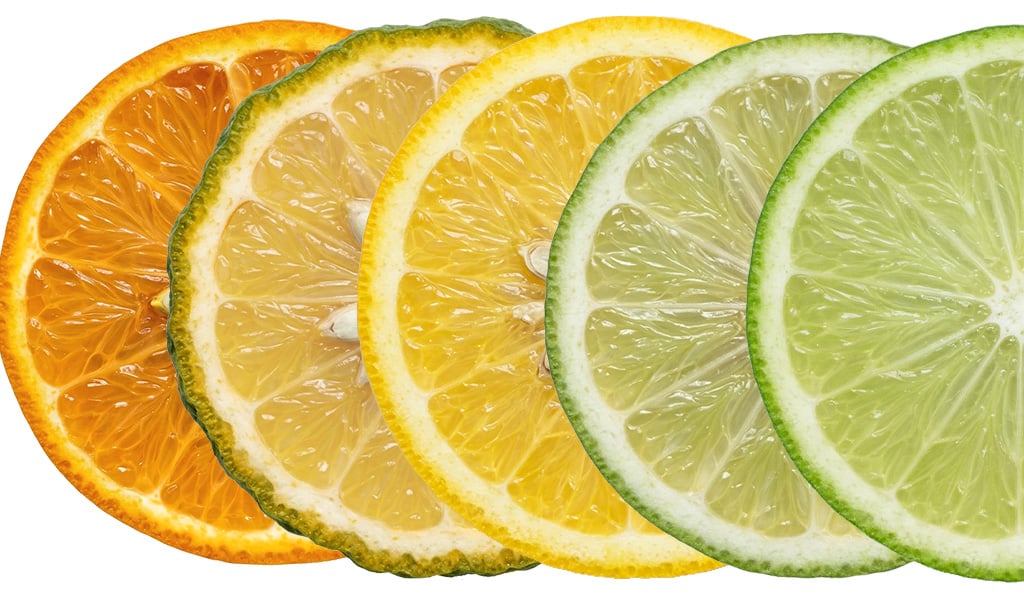
Brought by Spanish colonizers from Asia over 500 years ago, citrus species in the Yucatan Peninsula evolved into distinct local varieties. Key regional types include bitter orange (Citrus × aurantium), essential for Yucatecan marinades like cochinita pibil, alongside lima (Citrus × aurantifolia) and chinalima (Citrus limettioides).
A Quick Guide to Yucatán’s Citrus Fruits
Citrus fruits are essential to Yucatecan cuisine. They appear in drinks, marinades, sauces, and desserts, adding the tangy acidity that has become a hallmark of our cuisine around the world.

Yucatán and citrus: a 500-year love affair
Although citrus fruits are now an integral part of Yucatán’s identity, they are not native to the Yucatán Península. They were brought from Asia by the Spanish during the Conquest. However, according to Yucatán en el Tiempo, Yucatán’s soil gave rise to new varieties derived from the species the Spanish themselves knew. As a result, Yucatán is now home to an extraordinary range of citrus varieties, so much so that few people can identify them all at a glance.
For this reason, some varieties, such as limón indio and lima, officially belong to the same species (in other words, they share the same scientific name), even though they differ significantly in shape, flavor, and aroma. Other varieties, such as lima and limón dulce, share their names with fruits found only outside Yucatán. Still others, such as chinalima, cajera, and cajerina, have names most people have never even heard of.
Behind every citrus fruit is a story that begins in the fields, where entire families dedicate their lives to caring for the land and the orchards that produce the fruit that eventually reaches our tables. During my visit, I met don Efraín Tep, a citrus grower in Oxkutzcab, a Yucatán municipality that is locally known as “the state’s orchard.” Don Efraín welcomed me into his groves and shared his tips for identifying Yucatán’s citrus varieties, many of which can only be found in local markets.
How to care for a citrus tree in Yucatán, according to Don Efraín
Regardless of the variety, citrus trees share a few basic needs: sunlight, air circulation, and consistent watering. Sunlight is essential, as it plays a vital role in the fruit’s development, size, juiciness, color, and characteristic flavor.
It all begins with flowering, when the familiar white blossoms (in Spanish, flores de azahar) with their unmistakable fragrance, appear before giving way to fruit. The process by which the flowers develop into fruit is known as fruit set, a crucial stage when proper care helps ensure healthy growth. One important task is removing chupones, or suckers: shoots that don’t produce fruit but consume sunlight, water, and nutrients, diverting resources from the branches that do.
Leaves also play an essential role. They allow the tree to produce the nourishment it needs while protecting the fruit from excessive sunlight. Their aroma can even help you identify the type of citrus tree before you pick its fruit.
Naranja dulce / “china” (sweet orange)
Citrus × sinensis
- Peel: Medium-thick, smooth, and dull. It’s usually removed with a knife. Green while growing, it turns yellow or deep green when ripe, depending on the variety.
- Size: Larger than a lemon, with a round shape.
- Flesh: Pale yellow and very juicy, with medium-sized, oval seeds. It’s typically eaten in halves or segments.
- Flavor: Sweet and refreshing.
- Uses: Eaten fresh and used in snacks such as xe’ek’ (jícama and citrus salad) and in aguas frescas (traditional fruit-based drinks). The peel is also used to make oils and creams.
- Selection tip: Look for oranges with an even color and smooth skin; these tend to be juicier.

Did you know?
In Yucatán, sweet oranges often remain green even when ripe! The region’s warm temperatures slow the breakdown of chlorophyll in the peel and the development of orange pigments, so many citrus fruits can be fully ripe inside while their skin remains green.
Naranja agria (bitter orange)
Citrus auriantium
- Peel: Thick and rough. Green when unripe, turning yellow as it ripens.
- Size: Generally larger than a sweet orange, with a round, somewhat irregular shape.
- Flesh: Similar to that of a sweet orange, but with numerous large seeds and less juice. It’s usually cut in half for squeezing.
- Flavor: Bitter, but not as acidic as a lemon. Its aroma is strong and distinctive.
- Uses: Rarely eaten fresh on its own. Its juice is the base for several Yucatecan seasoning pastes known as recados and marinades, and it adds flavor to dishes such as cochinita pibil and escabeche. In many households, it’s also used as a traditional remedy for bruises and bumps.
- Selection tip: The heavier it feels for its size, the juicier it’s likely to be.

Mandarina (mandarin)
Citrus reticulata
- Peel: Smooth, thin, and easy to remove by hand. Green while growing, it may remain deep green or turn orange when ripe, depending on the variety. Its fragrance is strong and distinctive.
- Size: Similar to a lemon, with a slightly flattened shape.
- Flesh: Pale orange, very juicy, with thin membranes separating the segments. It may contain several small seeds, although some varieties are seedless. Mandarins are usually eaten in segments.
- Flavor: Very sweet, with a hint of acidity.
- Uses: Eaten fresh. The peel is used for zest in desserts and in aromatic products.
- Selection tip: Look for mandarins with rich color that feel heavy for their size; they’re generally juicier.

Toronja (grapefruit)
Citrus paradisi
- Peel: Thick and smooth, usually removed with a knife. Greenish yellow as the fruit develops, turning yellow or orange when ripe.
- Size: About twice the size of a sweet orange, with a round or oval shape that is slightly broad at the sides.
- Flesh: Usually pink or red, with large, very juicy segments. Eaten in halves or segments.
- Flavor: A balance of sweet and sour, with bitterness that can range from mild to intense.
- Uses: Eaten fresh or used in juices and other drinks.
- Selection tip: The juiciest grapefruits tend to feel heavy for their size, have an even color, and be slightly flattened at the ends.

Limón persa / Limón sin semilla (Persian or seedless lime)
Citrus × latifolia
- Peel: Smooth and glossy. Green when ripe, turning yellow when overripe. Has a mild citrus aroma.
- Size: Medium-sized, larger than a Mexican lime but smaller than an orange.
- Flesh: Very juicy, pale green, and seedless.
- Flavor: Moderately acidic, milder than Mexican lime.
- Uses: Its juice accompanies dishes, drinks, and desserts, while its zest is used in baking. In some households, it is also applied to minor scrapes as a traditional remedy.
- Selection tip: Look for firm fruit with smooth skin and a deep green color; these tend to be juicier.

Lima
Citrus x aurantifolia
- Peel: Thick and textured, less smooth than that of a limón persa or seedless lime. When ripe, it turns a dull green and often develops a small, nipple-like bump at the base.
- Size: Medium-sized, with a shape between round and oval.
- Flesh: Pale-colored and very juicy, with flat, oval seeds. Its aroma is strong and distinctive.
- Flavor: Mild, with gentle acidity and hints of sweetness.
- Uses: The star ingredient in sopa de lima and refreshing drinks. It also accompanies regional dishes such as puchero. Its fragrance is used in aromatic products.
- Selection tip: Look for firm fruit with an even color and relatively smooth skin; these tend to be juicier.


Chinalima
Citrus limettioides
- Peel: Thin, smooth, and green with subtle yellow tones; can easily be mistaken for a lime at first glance.
- Size: Larger than a standard lime.
- Pulp: Pale, very juicy, and generally seedless.
- Flavor: Mild and low in acidity, featuring dominant sweet notes with a subtle hint of bitterness.
- Uses: Can be enjoyed fresh. In local tradition, it is popular for its digestive and refreshing qualities.
- Selection tip: Look for fruits with even coloring, smooth skin, and a good weight relative to their size.
Cajera
Citrus dulcamara (nombre científico no oficial)
- Peel: Similar to that of a sweet or bitter orange, with a firm texture, green-to-yellow hue, and a distinct aroma.
- Size: Smaller than a sweet orange.
- Pulp: Reddish, very juicy, and contains large seeds. Can be eaten in segments or sliced in half.
- Flavor: Sweet and sour, with a light bitter undertone.
- Uses: Eaten fresh or used to make fruit-infused drinks (agua fresca).
- Selection tip: Fruits that feel heavier for their size tend to yield the most juice.
Limón indio or limón criollo (key lime)
Citrus × aurantifolia
- Peel: Thin and slightly textured, dark green in color, turning yellow as it ripens.
- Size: Smaller than a Persian lime.
- Pulp: Pale green, extremely juicy, with several small seeds.
- Flavor: Tart, intense, and sharp with a subtle bitterness.
- Uses: Perfect as a food pairing, for making sauces and pico de gallo, marinating meats, and in home remedies like stain removal or repelling ants.
- Selection tip: Choose firm, heavy limes with a rich color, as they hold the most juice.
Limón dulce (sweet lime)
Citrus limetta
- Peel: Smooth and thin, light green in color.
- Size: Larger than key limes and Persian limes, nearly the size of an orange.
- Pulp: Pale green with yellow undertones.
- Flavor: Mild and subtly tart, but with a sweetness similar to that of a sweet orange.
- Uses: Eaten fresh, usually peeled into segments and sprinkled with salt, sugar, or chili powder.
- Selection tip: Choose fruits with smooth skin and heavier weight; they tend to be much juicier.
Bonus: The citrus fruit that’s (practically) not grown in Yucatán
Limón amarillo o limón Eureka (yellow lemon)
Citrus × limon
- Peel: Thick and slightly rough, bright yellow in color, with a characteristic citrus aroma.
- Size: Similar to a Persian lime, with an elliptical shape and slightly pointed ends that make it easy to spot.
- Pulp: Pale, very juicy, and with few seeds.
- Flavor: Tart and fragrant, with a milder edge compared to key limes (limón criollo).
- Uses: Ideal for preserves, jams, and baking; its zest is highly prized in cakes and desserts.
- Selection tip: Go for bright yellow lemons that feel heavy for their size.
Getting to know the citrus fruits grown locally is an invitation to consume more consciously and responsibly—valuing the hard work of the agricultural countryside by buying directly from local producers at fair prices. Eating local isn't just about recognizing the effort behind every piece of fruit; it's about preserving the distinct flavors that make Yucatán unique.
Our thanks to Don Efraín Tep for sharing his experience and wisdom. During harvest season, Don Efraín sells oranges (both sweet and bitter), Persian limes, tangerines, grapefruits, and sweet limes by the box or crate (huacal); reach out to him to order yours.
Efraín Tep
Tel. 997 134 1733
First published in Yucatán Today print and digital magazine no. 468, in December 2026.


Related articles


