


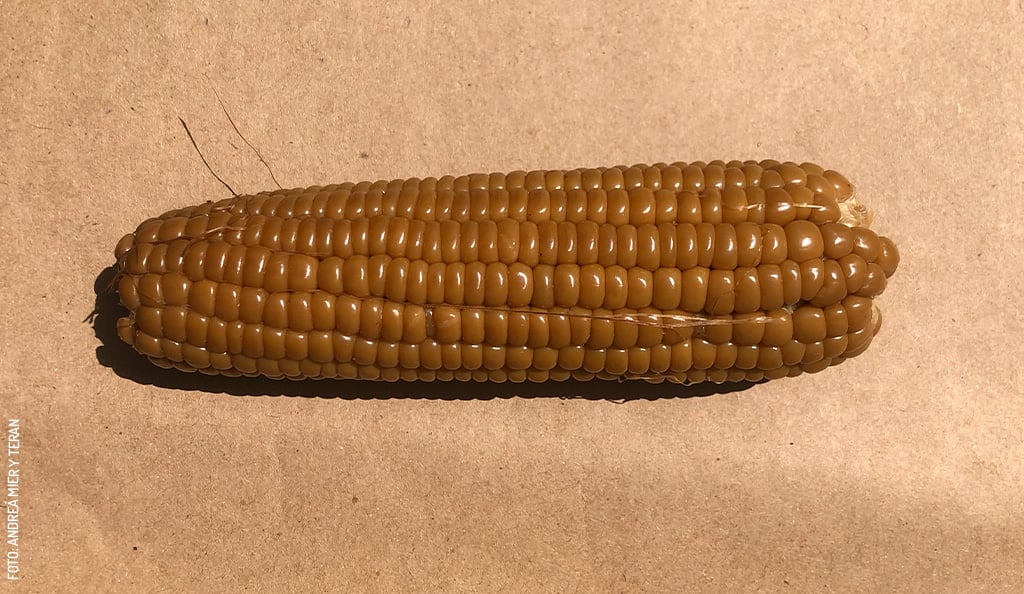
Pibinal, a Taste of Ancestry
My father tells me that his father (my grandfather) loved cooking and eating pibinales: ears of corn cooked underground the old-fashioned way. He made them as a snack to keep at home, although he would also sell some to the neighbors.
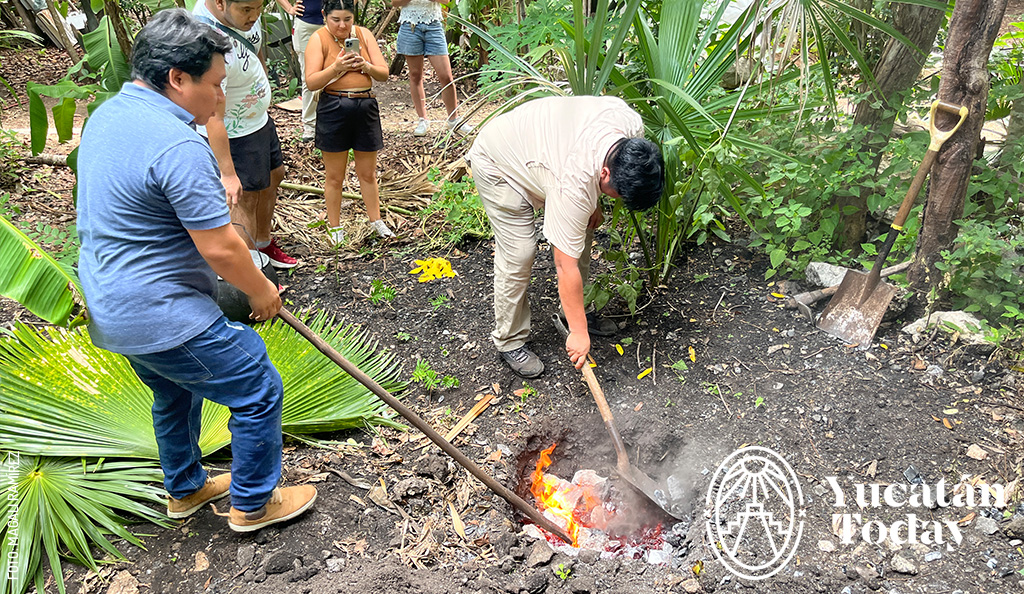
To make pibinales, he first had to build a píib, or underground oven. He would dig a reasonably sized hole in the yard and build a fire at the bottom. Once the wood had burned down, he placed medium-sized stones over the embers. When the stones became hot enough to turn reddish, he laid a bed of wooden sticks over them, arranged tender ears of corn wrapped in banana leaves on top, and covered everything with a henequén (sisal) tarp. “You had to be careful and know what you were doing,” my father warns, “because everything had to be covered with soil quickly to keep flames from breaking out. If it caught fire, it was difficult to put out, and you’d have to start all over again.”
The ears of corn were left to cook in the heat of the earth for at least a day. And here comes the mystery: how do you know when the pibinales are ready? According to the “recipe,” the sign is smoke escaping from the ground. In any case, the cook has to recognize the right moment to dig up the corn, because if it stays underground too long, it will burn and all that effort will have been for nothing.
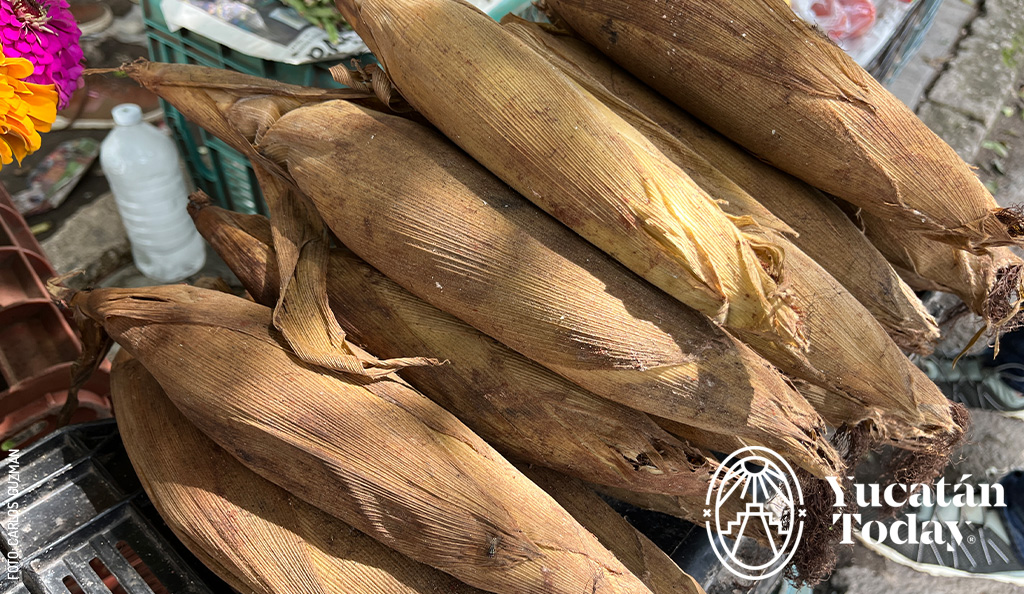
When it was time to dig them up, my father recalls nostalgically, the corn gave off a sweet, enticing aroma. My grandfather would tuck leaves of hierba santa (Mexican pepperleaf) between the ears to perfume them, and to this day, just talking about the scent makes my dad’s mouth water. Corn cooked this way is brown in color, and its surface should feel soft to the touch. My father’s love of pibinal dates back to those years, and I’m happy to say I inherited it.
The basic method for preparing pibinales is always more or less the same, although details—such as adding aromatic herbs or adjusting the cooking time—may vary depending on the cook and the characteristics of the soil. As with any kind of cooking, it comes down to preference and skill.
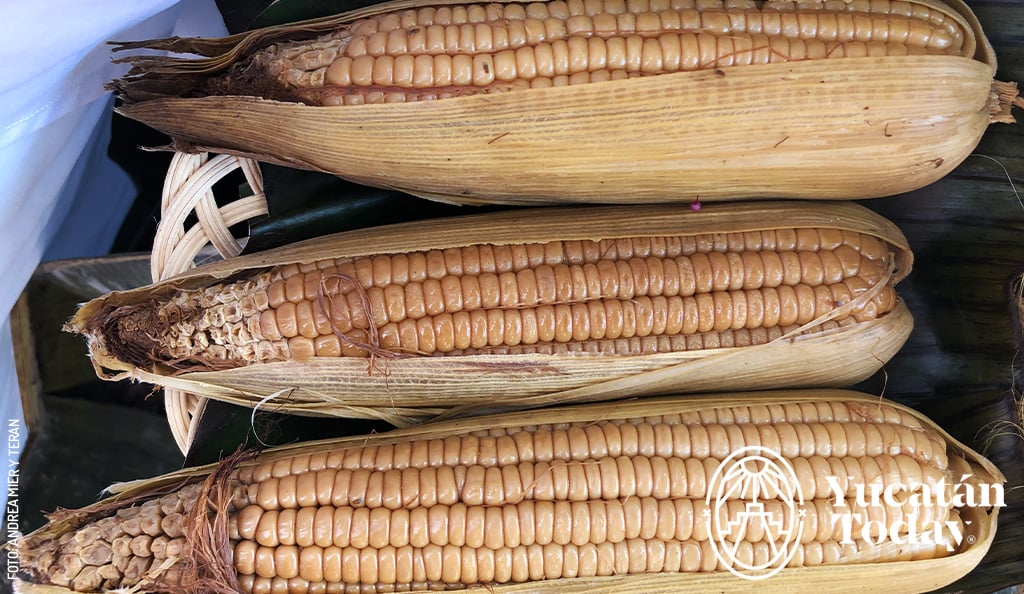
Even the word pibinal reveals its pre-Hispanic origins. The Maya word píib, as mentioned above, refers to the ancestral technique of cooking underground that is still used today, while nal means ear of corn or maize. Put them together and you get pibinal: corn cooked underground.
The fact that this technique is still in use is a testament to its effectiveness. Cooking in a píib is a tried-and-true Maya culinary technique: ecological, efficient, and effective. Nutritionally, it also preserves all the properties of the corn without added fats or chemicals. Just pure, natural flavor.
What does pibinal taste like?
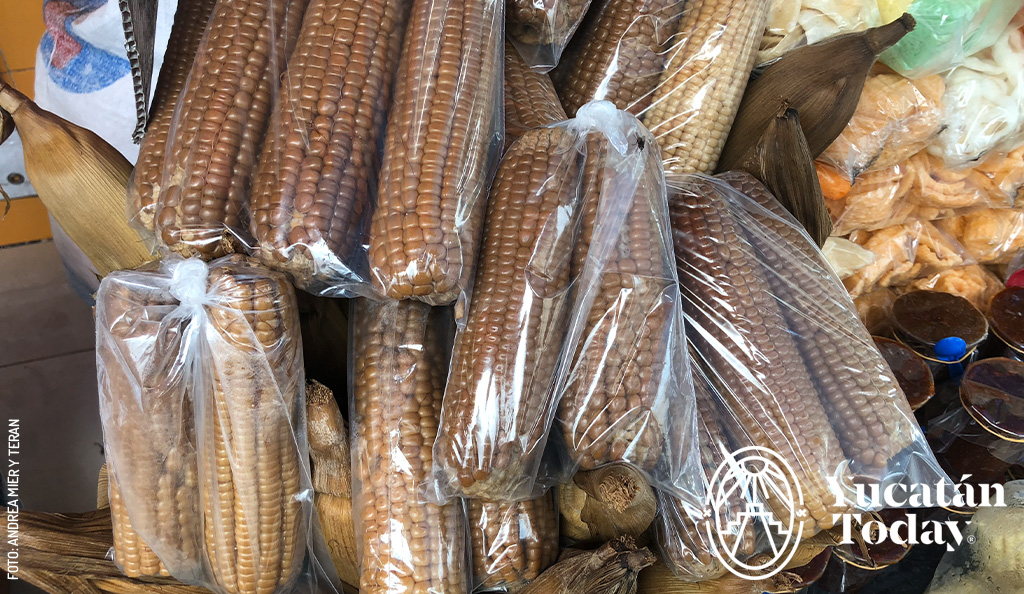
Pibinal has a smoky flavor with a hint of sweetness. The kernels should be soft but firm, without falling apart in your mouth. Traditionally, pibinal is eaten on its own, without toppings or condiments, although these days many people add lime, and some even turn it into esquites with cream, mayonnaise, and cheese.
But on a deeper level, pibinal tastes like history and tradition. It is impossible to establish exactly when or in what era people first began making it, but with a little imagination, we can picture it accompanying messengers and merchants along the ancient sacbés, satisfying the hunger of pyramid builders and stela carvers, or being served at the feasts and ceremonies of batabs and priests.

At this point, I find myself wondering: what did the first Europeans who tasted it make of it? Whatever their reaction, pibinal quietly survived throughout Yucatán’s colonial period (1535–1821), particularly in the homes of milperos, who never stopped making it because it was inexpensive, readily available food.
Fast-forward to today, and you can find it in markets, sometimes at a stall inside, but more often outside, along walkways, street corners, or on sidewalks, arranged in baskets or plastic basins. It is sold by the piece or in little bags, sometimes cut into chunks. There’s no particular season for eating it: pibinal is prepared and enjoyed year-round. During the Días de Finados, or Janal Pixan, however, you may spot it on some altars, ready to welcome the hungry souls of those who once enjoyed it.
Can you order pibinal at restaurants?
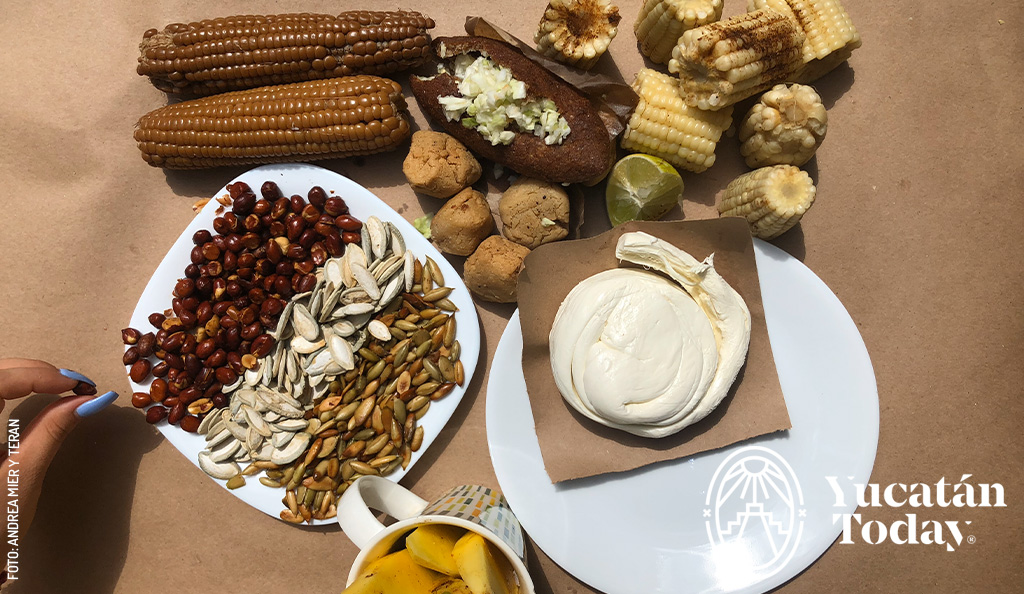 Only in esquites, or occasionally incorporated into creative drinks. If you want to try it in its natural form, though, you’re more likely to find it in people’s homes or on the street, sold by hand—because pibinal is meant to be eaten with your hands. That’s the gastronomic etiquette of pibinal: cook it in the earth, and eat it with your hands.
After finishing these notes, I tell my father I’m going to the market.
“If you find some pibinal, bring me one,” he says.
I’ll buy two: one for him and one for me.
Publicado por primera vez en el sitio web de Yucatán Today en agosto del 2026.


Related articles


