


Sisal, on the coast of Yucatán, is a favorite destination for those looking to connect with coastal traditions. This ancient fishing port, founded by the early Maya, is known for its beautiful white-sand beaches and fresh, calm turquoise waters. However, it also offers unique opportunities to relax and marvel at nature through tours focused on environmental education.
Petenes and ciénagas: Unique coastal ecosystems
Petenes (pronounced peh-TEH-nes) are unique ecosystems found in the coastal areas of the Yucatán Península. They are characterized as islands of lush, dense, and diverse vegetation surrounded by water or flooded zones, typically associated with coastal springs or "ojos de agua (natural springs)." These islands play a vital role in the ecological balance of the region, providing habitat for many species of plants and animals, and helping regulate the water cycle. Petenes are dominated by mangrove vegetation; they’re usually accessed by crossing the surrounding marshland (ciénega) by kayak.
Ciénegas (see-EH-neh-gas), on the other hand, are a type of low, marshy wetland, generally featuring brackish water and vegetation adapted to conditions of periodic or permanent flooding. The ciénegas serve as the gateway to the coastal springs.
Petén Culú: The raccoon's petén
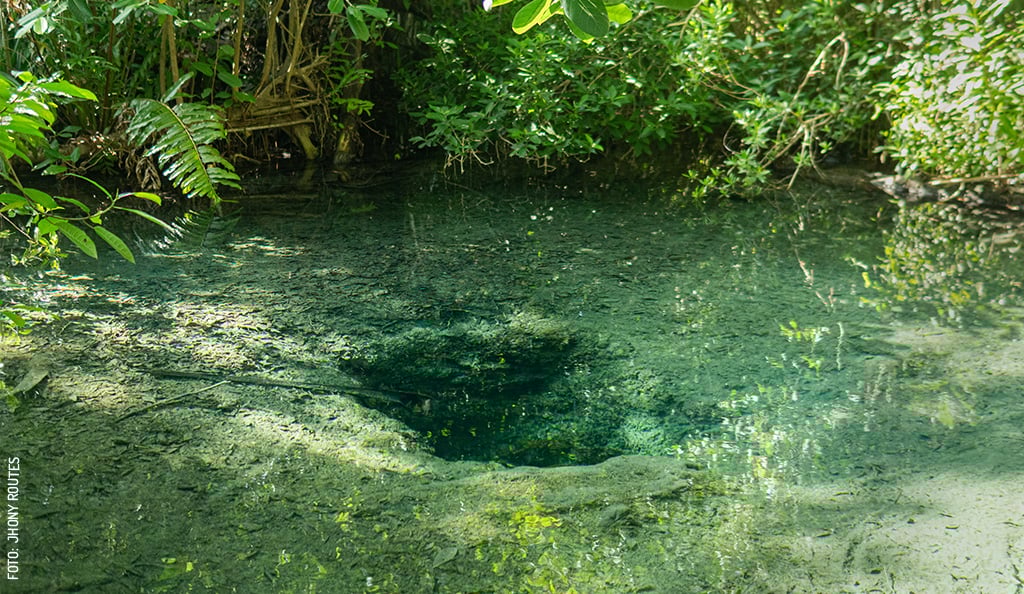
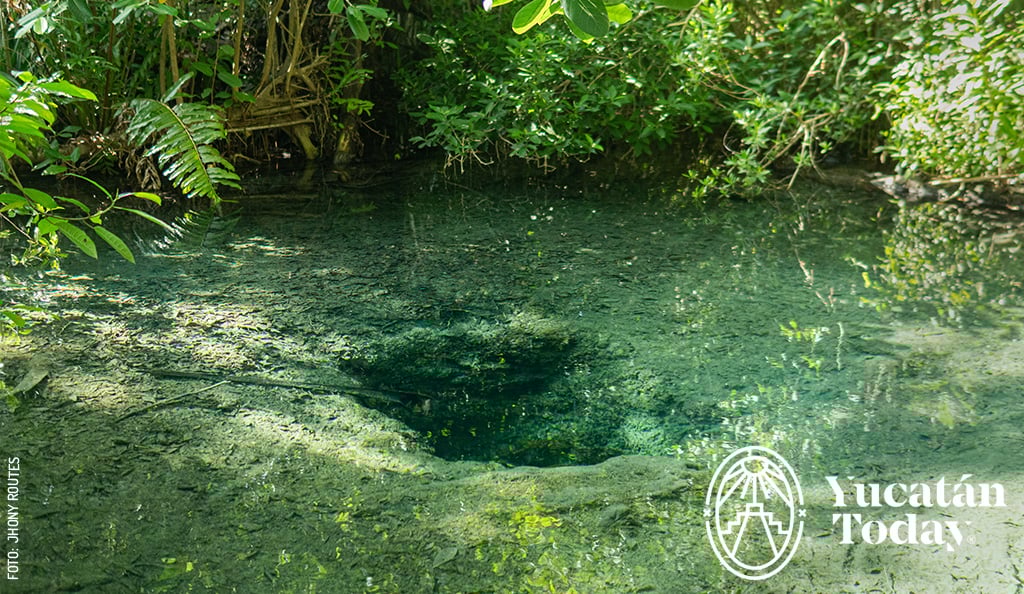
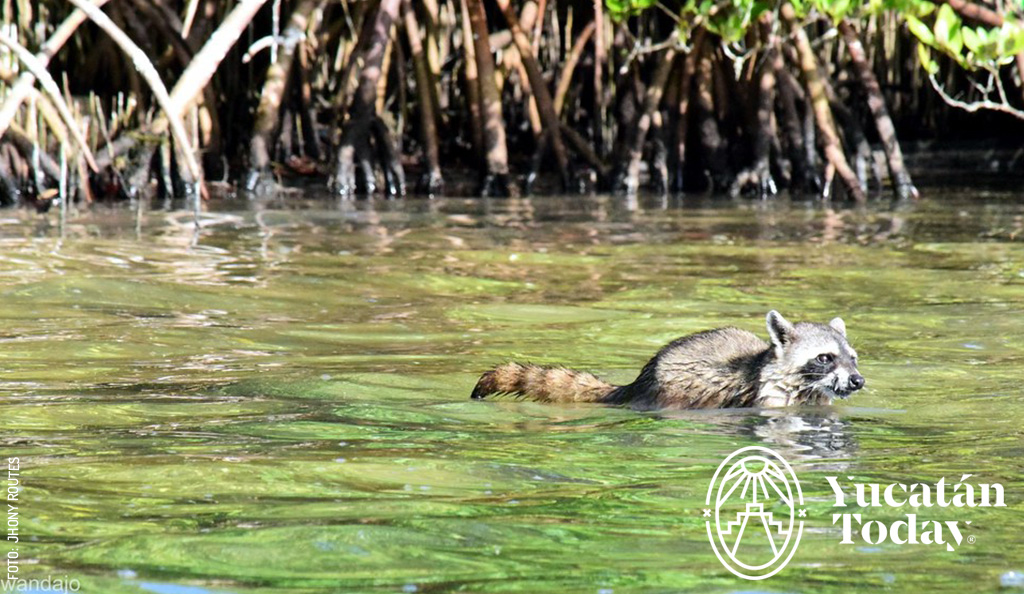 One of the most beautiful petenes in Sisal is Petén Culú (peh-TEHN koo-LOO). Its name comes from the Maya word k’ulu’, which means "raccoon," due to the large number of these animals that inhabit the island. At the center of this petén is a coastal spring, or sayab (SAH-yab) in the Maya language—often referred to as a cenote. Access is through complex natural labyrinths covered in mangrove trees until you reach the heart of the jungle island, where the sayab awaits you.
The Petén Culú spring features crystal-clear waters and channels that extend for several meters. These freshwater outcrops partly explain the structural complexity of this ecosystem by creating conditions that increase its biodiversity. For birdwatchers and nature photographers, it is a true paradise; the sayabes are perfect for hiking, nature observation, exploration, snorkeling, or simply swimming in the clear waters.
Responsible tourism for mangrove conservation
The people of Sisal understand that tourism is an important economic activity that can be sustainable and responsible toward nature. That is why they have organized into cooperatives that, through environmental education, offer tours that promote the conservation of the mangroves and coastal ecosystems.
The Sisal cooperatives aim to create tours that generate a minimal impact on the mangroves. They usually conduct guided visits by boat, kayak, or paddleboard. This makes the trip less invasive, as birds (like flamingos or cormorants) are not stressed as they would be by motorboats. Thus, bird watching becomes an ideal activity during the tour. Local guides are trained to provide the best service while protecting the natural heritage and sharing their knowledge.
How to book a sustainable tour in Sisal
One of the local groups offering this responsible and eco-friendly tour is Casa Balam Hostel, which belongs to the Bu’ul Kayé cooperative and the “Sisal, Mar y Manglar” (Sisal, Sea, and Mangrove) Federation of Nature Cooperatives and Guides. You can contact the biologist and guide Walter Prientzen directly to request information or schedule a tour.
The tour lasts four hours and includes transportation, water, snorkeling and paddle equipment, seasonal fruits, and a federally certified guide under the Mexican standard NOM-09-TUR-2002. This certification guarantees not only a high quality of service but also safety and protection of the environment and cultural heritage during the activities. Furthermore, some of their guides are biologists, making the environmental interpretation an outstanding experience.
Many local cooperatives have excellent guides; the ideal approach is to contact them directly upon arrival in Sisal. This way, you’ll be supporting the local economy without intermediaries.
Conscious tourism in the mangrove and through the petenes is a truly educational activity that promotes the conservation and sustainable management of the ecosystems on the northern coast of Yucatán.
WhatsApp: 999 1154394
Photography by Jhony Route for use in Yucatán Today
First published in Yucatán Today print and digital magazine no. 457, in January 2025.


Related articles


