


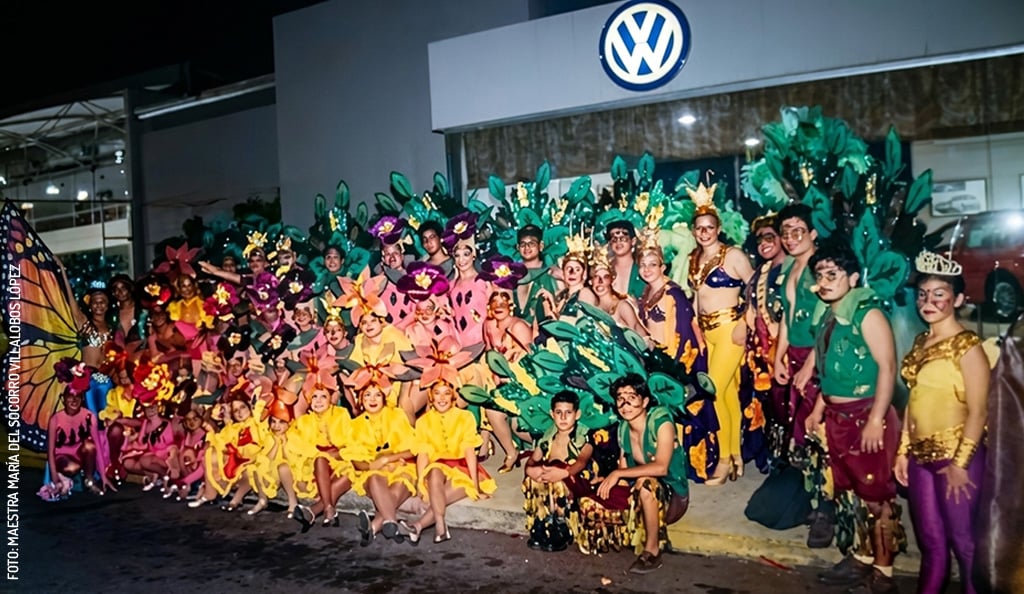
The sun at its peak, the music buzzing, the crowd cheering and laughing, and the comparsa (troupe) dancing as it moves forward… This is how Carnival (or Carnaval, as it’s known locally) is experienced in Mérida. Although it has undergone many changes throughout its more than four centuries of history, what persists in this event—a favorite across all of Yucatán—is the contagious spirit of feast and celebration.
Carnaval: Four centuries of history in Yucatán
You read that right: in Yucatán, the history of Carnival dates back to the end of the 16th century. According to the Mérida City Council website, Carnaval celebrations began locally between 1578 and 1582 as an opportunity for the population to "prepare" with joy for the extreme abstinence of Lent.
A key piece of the modern Carnaval celebrations are the comparsas: those are the dance troupes that participate to bring life to the festivities. Something very important to remember is that these troupes are not improvised—not at all. The preparation of the collective and its members begins many months in advance, usually in October, when the group registers with the Carnival Committee.
The organization of a troupe: A personal testimony
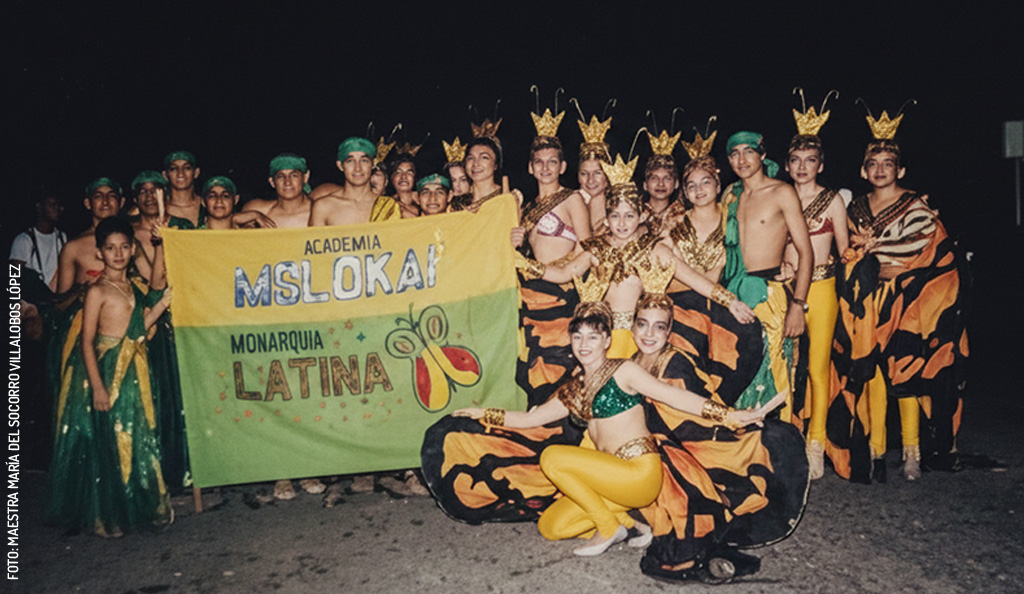
For a glimpse at how these groups were organized when Carnaval was still celebrated within the city’s Historic Center, we turn to the testimony of Maestra Socorro Villalobos (Director of the Molokai Dance Academy), who participated as a comparsa coordinator for more than fifteen years.
Back then, the route crossed the city of Mérida and went from Monumento a la Patria (on the iconic Paseo de Montejo) to the San Juan Park. Later, in 2014, the venue moved to Ciudad Carnaval, located at the Xmatkuil fairgrounds.
The carnival troupe, which had to meet a minimum of 50 members, chose the theme for their dance, costumes, and the music that would accompany them through the streets of Mérida. The only different day was Traditional Monday, when regional costumes are worn. However, there is always room for creativity, as Maestra Socorro recalls. On one occasion, they opted to swap traditional costumes between men and women; "it was very fun and we all got a big laugh.”
Discipline and rehearsals: The drive behind the glitter
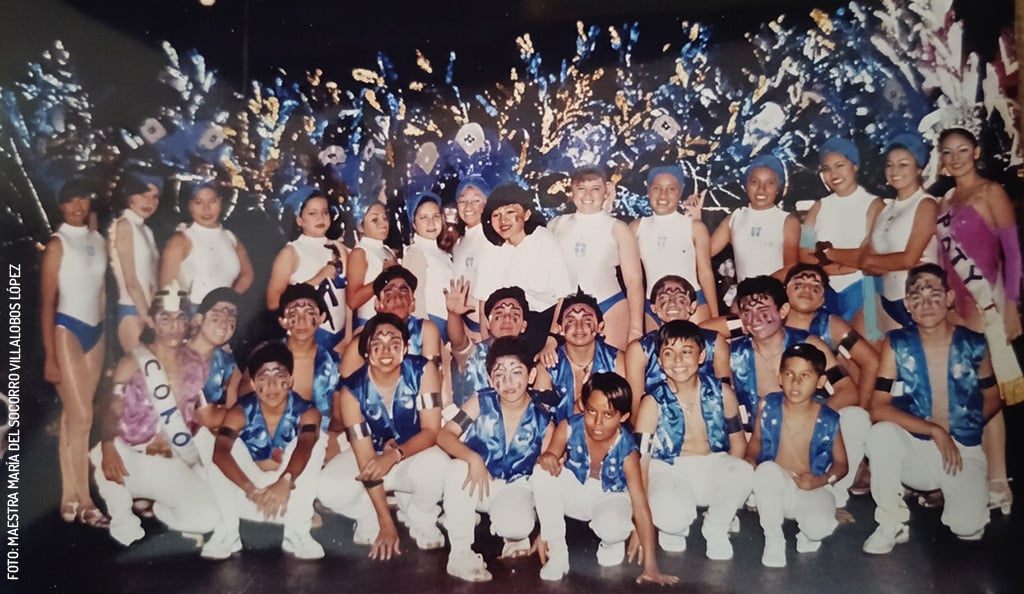
Once the group was registered, rehearsals began. This wasn’t a once-or twice-a-week- thing; comparsas (to this day) usually practice three to four times a week, for at least an hour at a time. As the date of the Mérida Carnival approaches rehearsals intensify lasting up to two or three hours in the days leading up to the grand event.
A fundamental part of a comparsa's identity is its costumes. Each of the fifty or more members wore a handmade outfit, custom-fitted to the participant. Because of this, a good portion of the preparation went directly into organizing the logistics of suppliers, seamstresses, dancers, and often parents. According to Maestra Socorro, the accumulation of tasks and the pressure to meet set deadlines made this stage one of the most complex parts of the process.
Beyond the dancing, preparation involved physical endurance, perseverance, and coordination. Practically all members balanced rehearsals with work or school days, adjusting schedules and routines to fulfill their commitment to the group.
The Big Day: The presentation at the Mérida Carnival
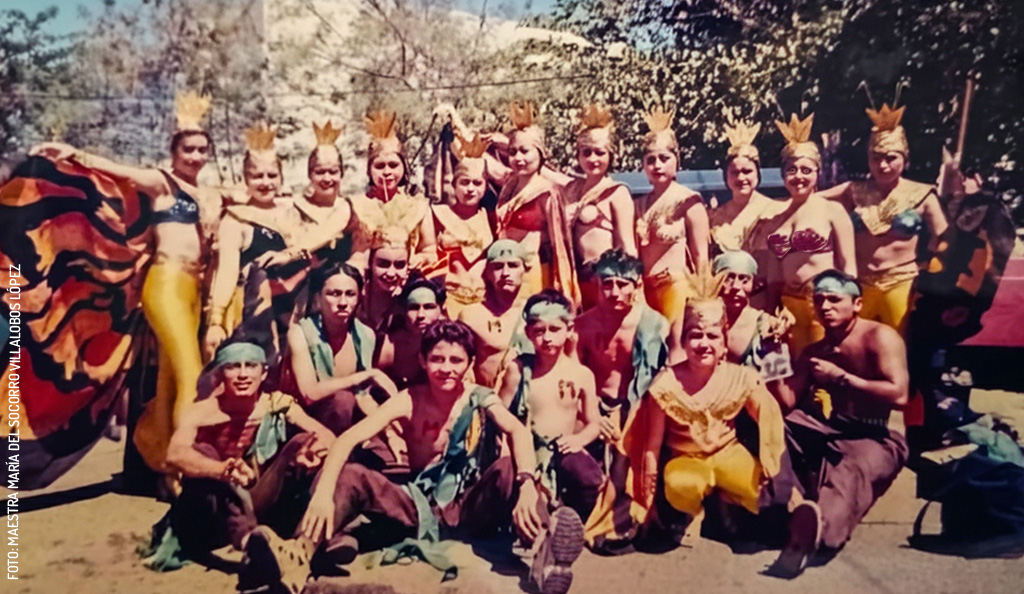
For five days, the comparsa danced alongside more than seventy other troupes registered to participate in the celebration. As a whole, the parade of troupes concentrated months of prior work and the active participation of thousands of people from across Yucatán.
For each of the troupe participants, the parades were experienced intensely, with constant music, long routes, and the need to stay in sync throughout the entire journey. Despite all this, the enjoyment was evident on everyone's faces.
Today, some things have changed for the Mérida Carnival, which continues to transform and grow every day. However, the work behind each comparsa remains the same: months of preparation, collective effort, and strong community involvement. These are the elements that, beyond five days of parades and parties, sustain one of the most important celebrations in the city.
Photograby by Maestra María del Socorro Villalobos López.
First published in Yucatán Today print and digital magazine no. 458, in February 2026.


Related articles


