


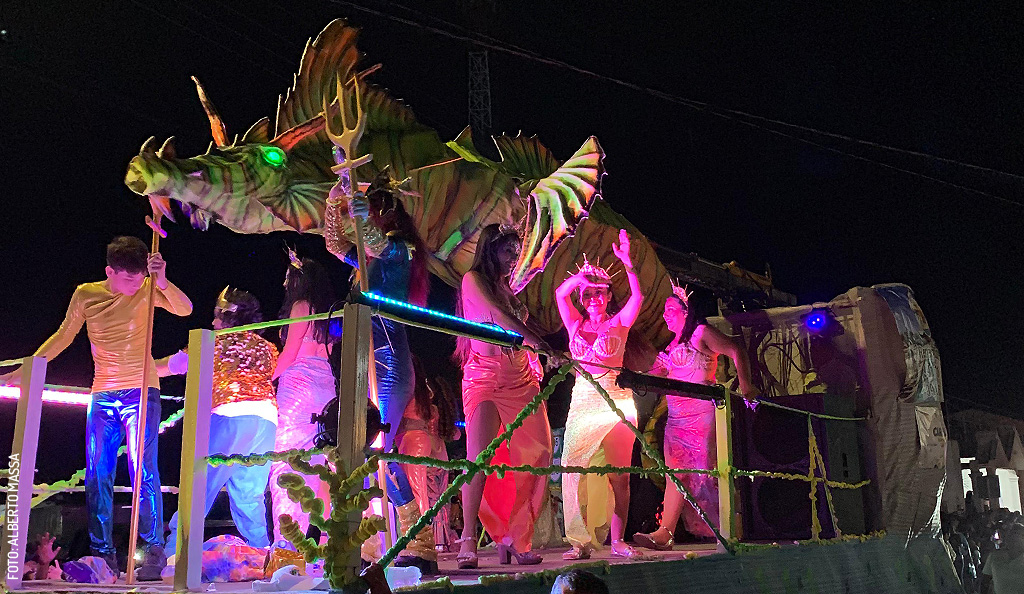
Dzilam de Bravo is a fishing port on the coast of Yucatán, 102 kilometers (63 miles) from Mérida, famous for many things, but especially for its grand Carnival celebration every year. Its impressive floats have consolidated its reputation as “the best Carnaval on the Yucatecan coast” (according to its own residents), standing out for its giant, colorful, and illuminated figures, all handcrafted right in the port.
The Dzilam de Bravo Carnival is the biggest and most anticipated party of the year in this beautiful fishing port: music, color, free dances, joy, and non-stop fun. The countdown has begun... see you from February 13–17, 2026!
The “Animals”: Six-meter-high colossi
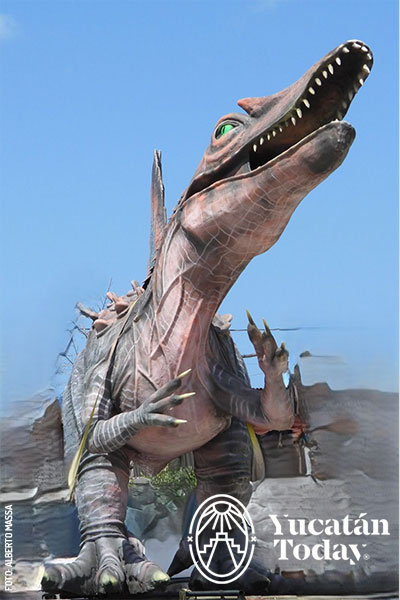
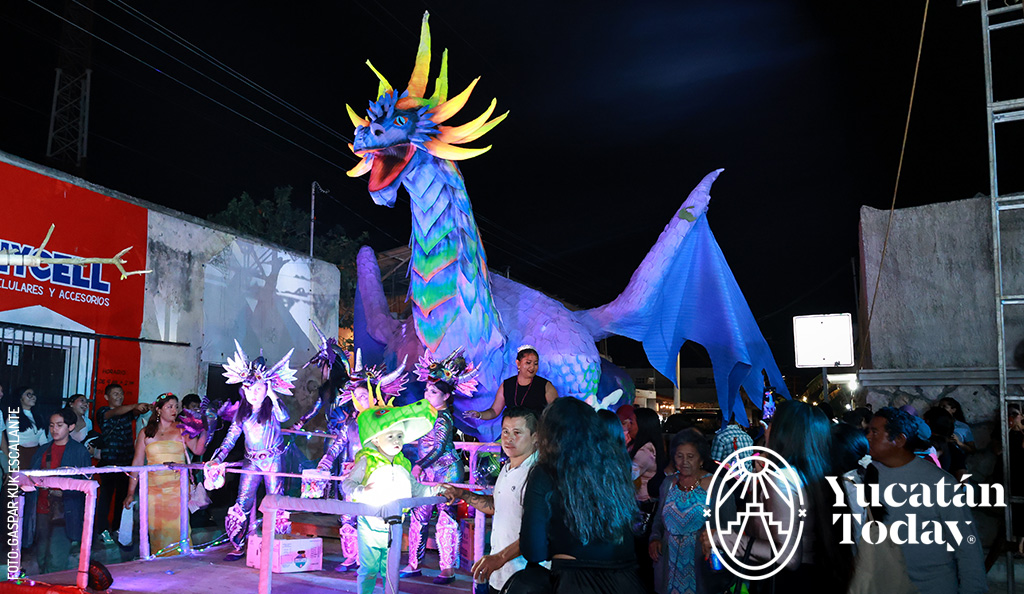
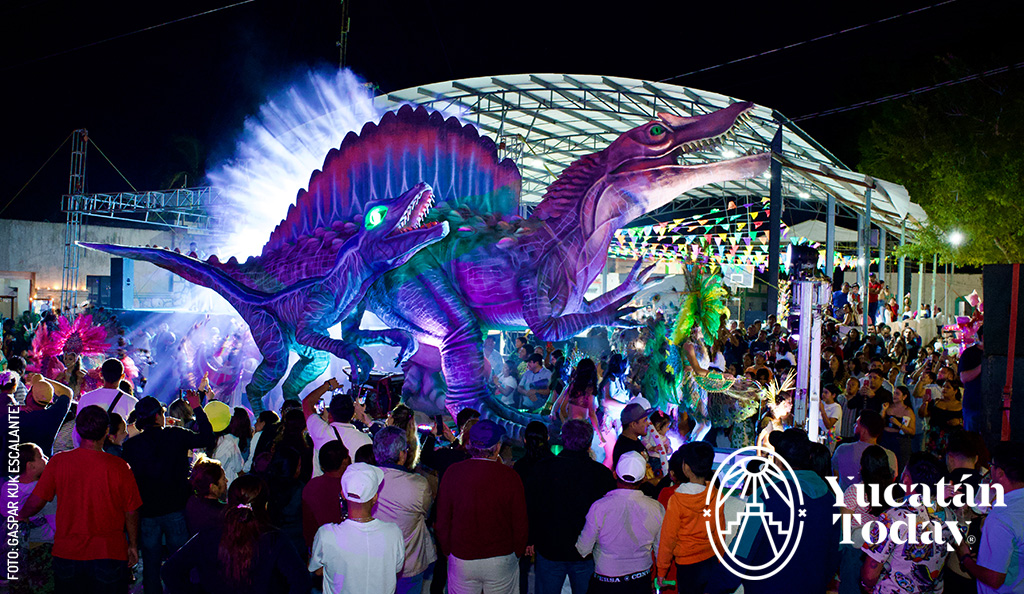
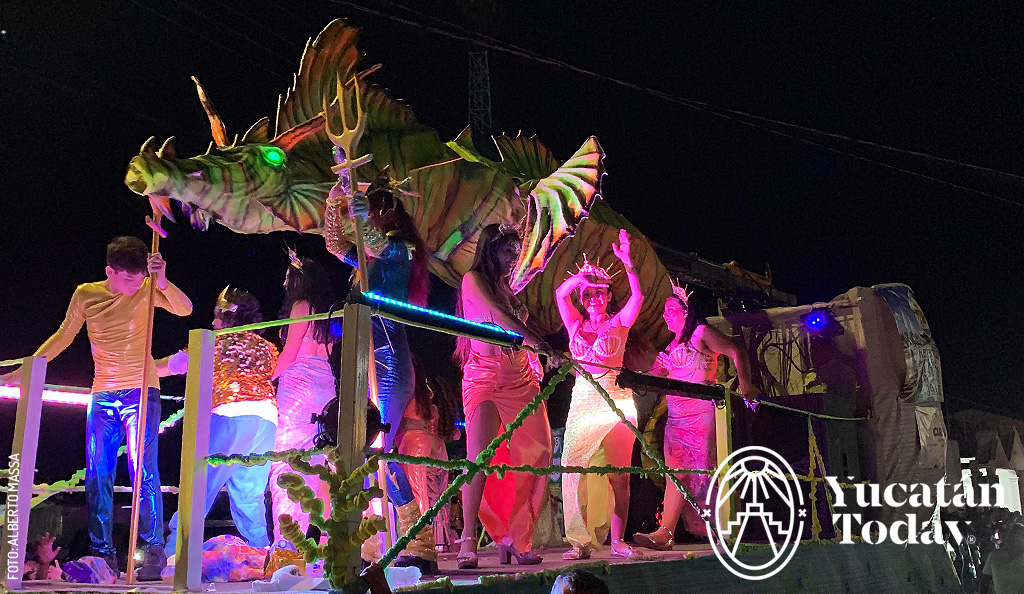
The colossal floats of Dzilam, known locally as “animales” (animals), are monumental figures that can reach up to six meters (20 ft) in height. Their shapes are as diverse as they are surprising: from sea creatures native to the coast of Yucatán to fantastic beasts like dragons.
Each year, more than 50,000 visitors gather in Dzilam de Bravo to witness this spectacle. These figures, equipped with movement and lights, are created by local artisans known as “animaleros.” Their work transforms the parade into a truly immersive experience.
The Dzilam de Bravo Carnival: A tradition dating back over 30 years
 If you ask the locals, they will tell you without hesitation that this tradition, with over three decades of history, began with Don Otilio Estrada. He was a port artisan who had the vision to build floats in the shape of animals.
Don Otilio began repurposing wood and scrap metal he found along the coast to build the “skeletons” for the figures. He would then cover and shape them using sugar sacks, known in the Yucatán Península as pitas. The sacks were painted to create the illusion of marine animals, and then carried by people who would animate them from within, bringing them to “life” during the parade.
From midnight rehearsal to official parade
 Over the years, the animal handlers began performing a "functional test" of the floats. At midnight on the Sunday before Carnival Tuesday—while the rest of the town slept—they would parade the floats in secret.
However, the residents soon discovered this and began leaving their homes for an extra glimpse of the great animals roaming the streets. Over time, this late-night test was transformed into a tradition, and Sunday changed from a rehearsal into the first official parade of the Dzilam de Bravo animales.
The evolution of the Carnaval tradition in Dzilam de Bravo
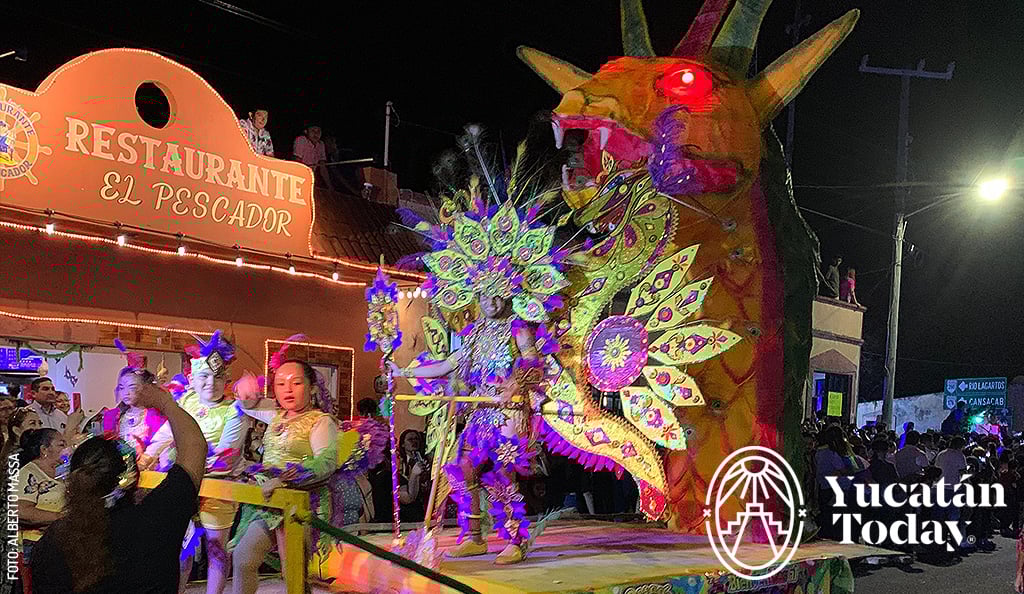
With time, the animales tradition began to receive more economic support from the municipality, which gave way to new materials being incorporated: the sugar sacks gave way to foam, which is the main component of these monumental floats these days.
The creation of the animales begins in January, a particularly difficult time for the fishermen of Yucatán. During these months, the weather is often adverse due to the nortes (cold fronts that usually bring strong northern winds) that prevent boats from going out to sea. Because of this, many residents invest their time and effort into the design and construction of these fantastic beings.
Today, due to their imposing size, the animales are no longer carried by people but are towed by trucks. Their magnitude reflects the hard work and dedication of families and groups of friends who gather every year to test their creativity.
A guide to enjoying the party on the coast
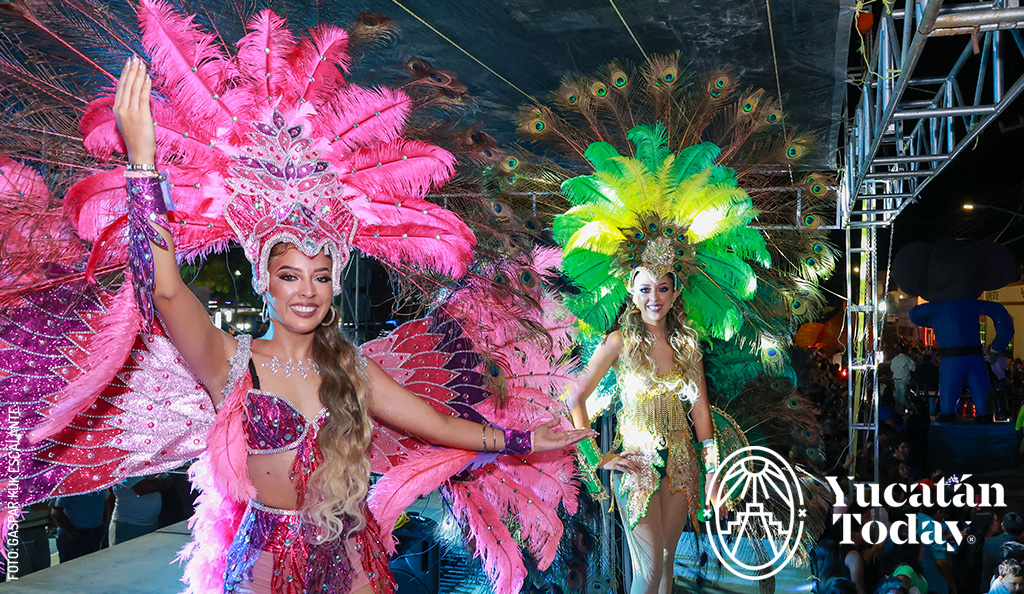 The Carnaval festival in Dzilam de Bravo spans five days filled with live music, dancing, and comparsas (dance troupes). It is celebrated the week before the start of Lent, and begins with the coronation of the Carnaval kings and queens: the Ugly King, the Carnaval Queen, and the Queen of the Floats or animales.
The parades of giant animales take place on Sunday and Tuesday, along the town beginning in the Malecón (boardwalk) all the way to the main square. There are also vaquerías and bailes (live bands for dancing) with local and national bands, whose festive ambiance fills every corner of the village.
There are also vaquerías and bailes with local and national bands playing live for dancing, so the festive ambiance fills every corner of the village.
The celebration includes two types of dance groups (comparsas). The first one comprises men dressed as women, who dance along the streets while singing funny takes on the year’s events, with a satirical local touch. Then there’s the estudiantinas, groups of young people who make their own outfits and roam the town singing and dancing.
Tips for visiting the Dzilam de Bravo Carnaval
If you decide to join the party, it is best to arrive well in advance. Dzilam de Bravo is a small port, and Carnival is the time when it receives the highest number of visitors. If you are coming by car from other parts of México or the state, keep in mind that parking spaces are limited.
Undoubtedly, the Dzilam de Bravo Carnival lives up to its fame, not only because of its colossal dimensions but because of the talent, resilience, and enthusiasm of those who keep this monumental tradition alive year after year.
FB: Dzilam de Bravo H.A 2024 2027
Photography by Alberto Massa and Gaspar Kuk Escalante for use in Yucatán Today.
First published in Yucatán Today print and digital magazine no. 458, in February 2026.



Related articles


