


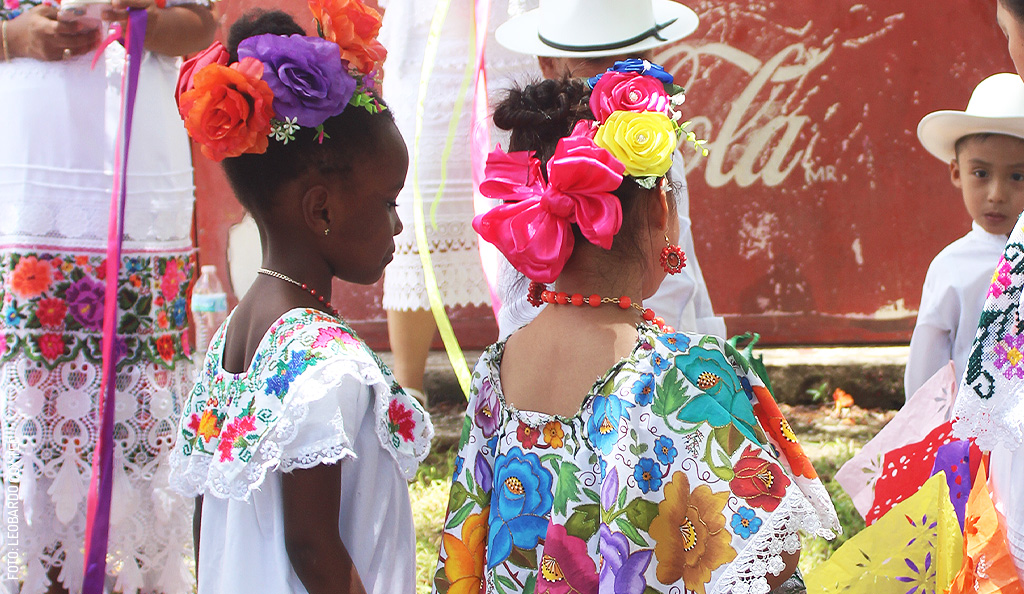
Afro-Yucatecans are descendants of African populations integrated into the Yucatan Peninsula since the colonial period. According to INEGI's 2025 Intercensal Survey, they represent 2% of the state's population, with Afro-descendant and Afro-Mayan communities concentrated in municipalities such as Yaxcaba, Valladolid, Piste, and Hunucma.
The Afro-Yucatecos
Have you ever come across the term “Afro-Yucateco”? Probably not. But you may be familiar with the term “African diaspora.” It refers to the displacement of vast numbers of people to sustain slavery practices around the world. Today, the term also refers to the many communities of African descent scattered around the world that, to varying degrees, maintain cultural ties to Africa.
This concept has given rise to different regional terms for people who share and recognize these connections, including African-Americans, and, locally, afromexicanos, and afroyucatecos.
A bit of trivia
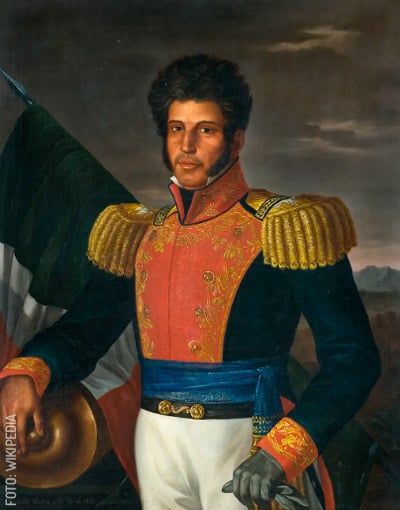
The first country in the Americas to have a black president was… México. Back in 1829, Vicente Guerrero, born to a Nahua mother and African-Mexican father, was the second person to hold office in the newly independent country.
In Yucatán, the presence of people of African descent has received little visibility in public discourse, as it is wrongly believed that Afro-Yucatecans do not exist. This perception is largely the result of their identity having been overlooked within the region’s historical narrative. However, México’s 2025 Intercensal Survey (EIC), conducted by the National Institute of Statistics, Geography and Informatics (INEGI), places Yucatán as the state with the seventh-highest proportion of Afro-descendant people, at 2%.
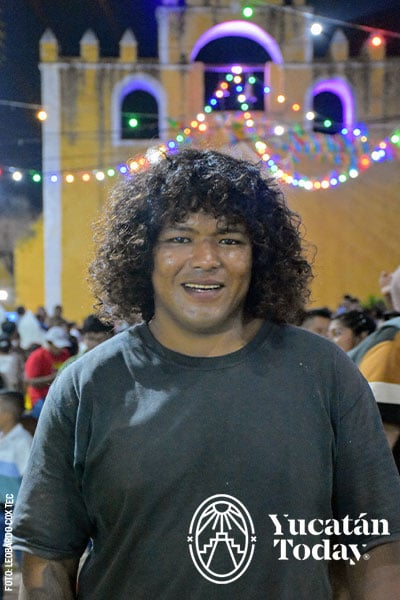
In both the eastern and western parts of the state, there are people whose roots are connected to Black identity and who proudly identify as Afro-Yucatecans. These groups have begun to occupy spaces of public representation and are embarking on a process of reclaiming and affirming their identity and heritage.
In places such as Yaxcabá, Valladolid, and Pisté, there are also people who identify as Afro-Maya, meaning they have Afro-descendant physical features but grew up within living Maya culture. Afro-descendant people generally face economic, political, and social marginalization, as well as discrimination.
From the time they arrived in the Mayab, the Spanish brought enslaved African people to the region. Throughout the colonial period, people continued to arrive from Havana, Santo Domingo, Belize, and Jamaica in different circumstances. Over time, they became part of the local population and made significant contributions to gastronomy, music, theater, and other areas of local culture.
Afro-Yucatecan contributions
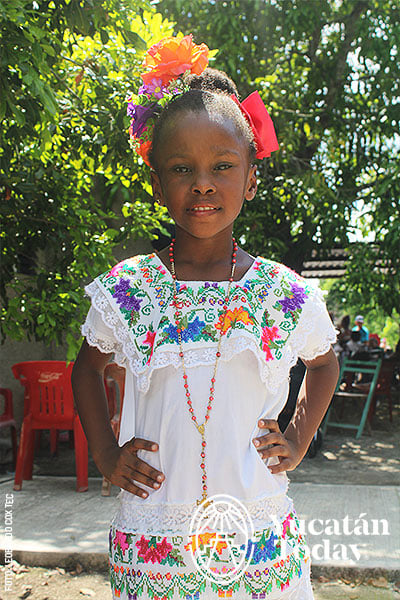
It’s important to remember that, for several centuries, the Yucatán Península had closer ties with the Caribbean than with the rest of México. Over time, many Cubans also emigrated to Yucatán due to Cuba’s economic and political circumstances.
Today, the Yucatán Península is home to a wide range of living cultural expressions with strong Afro-Caribbean roots, many of which often go unnoticed. For example, between the late 19th century and the first half of the 20th century, Cuban teatro bufo (a satirical and musical form of theater) was very popular among Meridanos and undoubtedly influenced Yucatecan regional theater. Carnival groups such as Los Negritos, El Pilón Cubano, and El Alacrán also emerged during this period. Their successors can still be found in Halachó, Yaxcabá, and eastern towns such as Sucilá and Panabá. The latter two still hold celebrations known as “Cuban Nights,” commemorating their Afro-Cuban heritage.
The incorporation of Cuban musical genres into Yucatecan musical traditions was a constant process. Danzón became firmly established among Yucatecans and Maya communities, while Yucatecan trova was enriched by the influence of Afro-Caribbean music, particularly from Cuba and Colombia. Conga, guaracha, danzón, son cubano, joropo, rumba, and habanera were also embraced by Yucatecans as carnival music. Even the jarana yucateca was gradually enriched by various Afro-Caribbean rhythms and percussion instruments such as güiros and timbales.
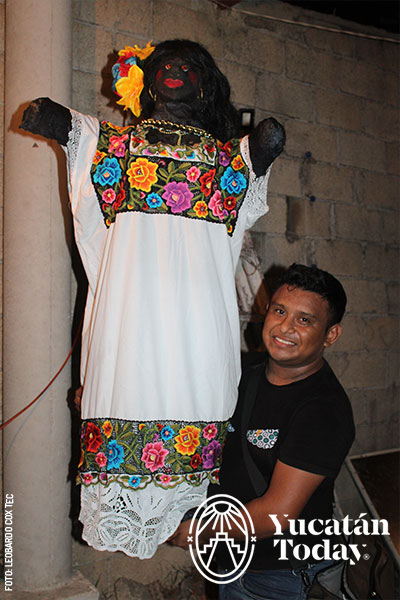
Certain traditions, in one way or another, point to the Afro-mestizo heritage that has been shaped over time. One of the best-known examples is the celebration of the Boxita of Hunucmá, whose origins can be traced to stories featuring a Black woman as their central figure. There are also legends associated with Black saints, such as the Christs of Sitilpech and Citilcum in Izamal, who, according to legend, were two Afro-descendant brothers who came to the city to serve the Church. In Halachó and Yaxcabá, some dances can be traced back to the old Negritos troupes that were popular in the late 19th and early 20th centuries.
Despite all this, many people continue to believe that there are no Afro-descendant people in Yucatán, a misconception that can contribute to racism and discrimination. This makes it especially important to talk about the region’s Afro-mestizo heritage and to recognize and reclaim the place of the Afro-Yucatecan population, which has been marginalized for a long time. The struggle for recognition of this identity is gradually gaining strength, creating spaces for Afro-Yucatecans to show who they are, and proudly share their heritage with the world.
First published in Yucatán Today print and digital magazine no. 467, in November 2026.


Related articles


