


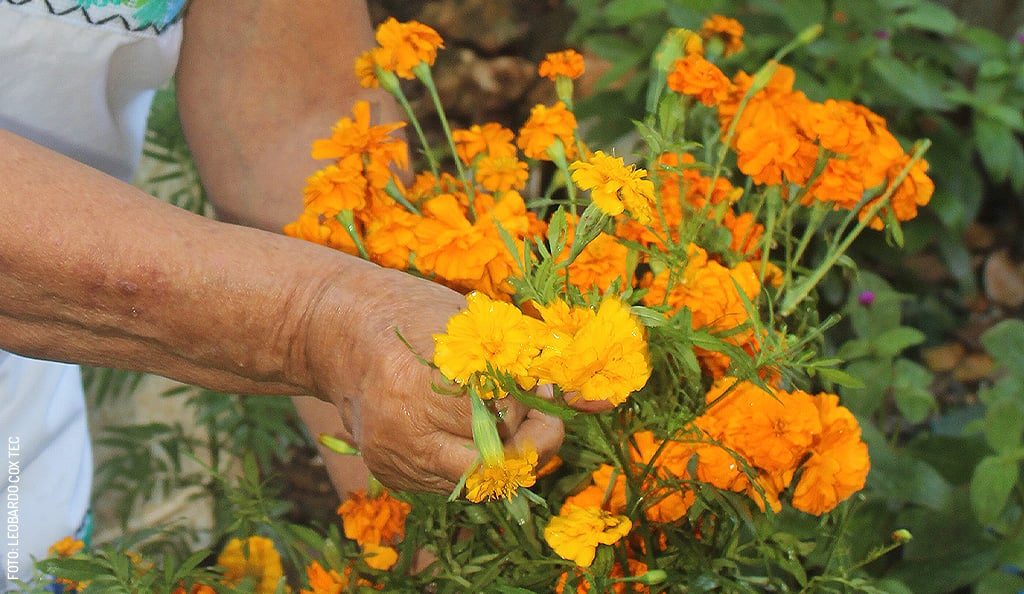
For many people, talking about México’s Día de Muertos means talking about cempasúchil or marigolds, those orange-hued, globe-shaped flowers that adorn streets, altars, and graves. In México, an estimated 35 species of flowers classified within the cempoalxóchitl group have been identified; all belong to the Tagetes genus, which is native to the Americas.
In the Yucatán Península, at least four species grow wild, while two are cultivated in Maya gardens for use in Finados offerings. These flowers also provide a source of income for many families in the southern part of the state.
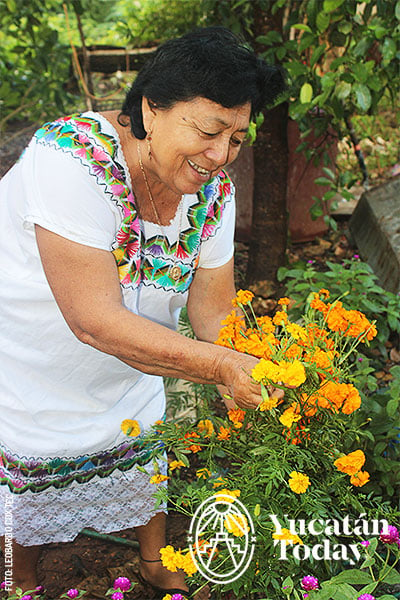
Cempasúchil (marigolds) in Yucatán
The native cempasúchil species found here are primarily Tagetes erecta L. and Tagetes patula, known in Maya as xpu’ujuk, xpujuk, xpuk, xpayjul, xtéempula, or máasewáalpujuk, depending on the region. Over time, a lack of familiarity with the plant has led some people to confuse xpu’ujuk with other species that also produce yellow or orange flowers around this time of year, such as tajonal or sak xo’ xiiw (Viguiera dentata), Mexican sunflower or su’um (Tithonia diversifolia), and yellow cosmos (Cosmos sulphureus).
Xpu’ujuk is an annual, fragrant, upright plant with “flowers” that are usually orange or deep yellow, although they can occasionally be pale yellow or whitish. But there’s an important botanical distinction: cempasúchil isn’t technically a flower, but an inflorescence, or cluster of many small flowers. Each apparent petal is actually a tongue-shaped flower known as a ligule. Through years of horticultural selection (that is, selection carried out by humans) the pom-pom-like blooms we all recognize have been developed, consisting primarily of dozens of these ligules.
Why xpu’ujuk doesn’t look like your typical cempasúchil
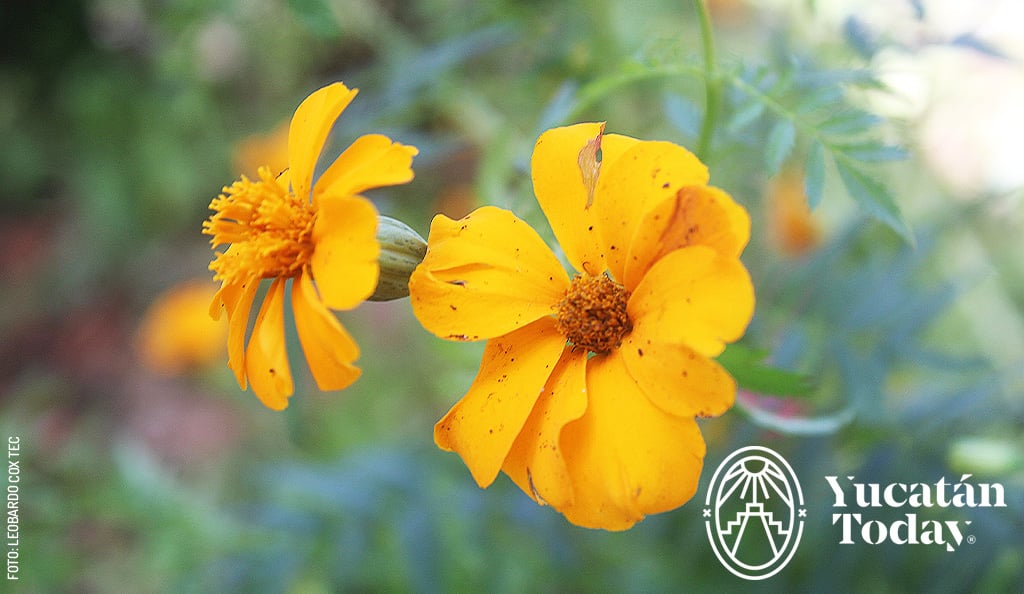
In Yucatán, it’s unusual for xpu’ujuk to have the pom-pom appearance we associate with cempasúchil because the flower remains largely wild here. Those who cultivate it use native seeds, whose flowers tend to be smaller and have fewer “petals.” This is why we often assume cempasúchil and xpu’ujuk are different species.
The flower’s shape depends in part on the origin of the seed, although other factors also play a role, including environmental conditions and the timing of flowering. A single plant can produce pom-pom-shaped blooms, others with flower heads containing only a few “petals,” and even some with just five or six.
Cempasúchil around the world
After the Spanish conquest, cempasúchil was spread around the world, and has gone through extensive genetic improvement since then. In Asia, in particular, the plant was modified to require less water and grow more quickly, making China and India the world’s leading producers of cempasúchil. Both Mexican and Asian seed varieties are planted each year.
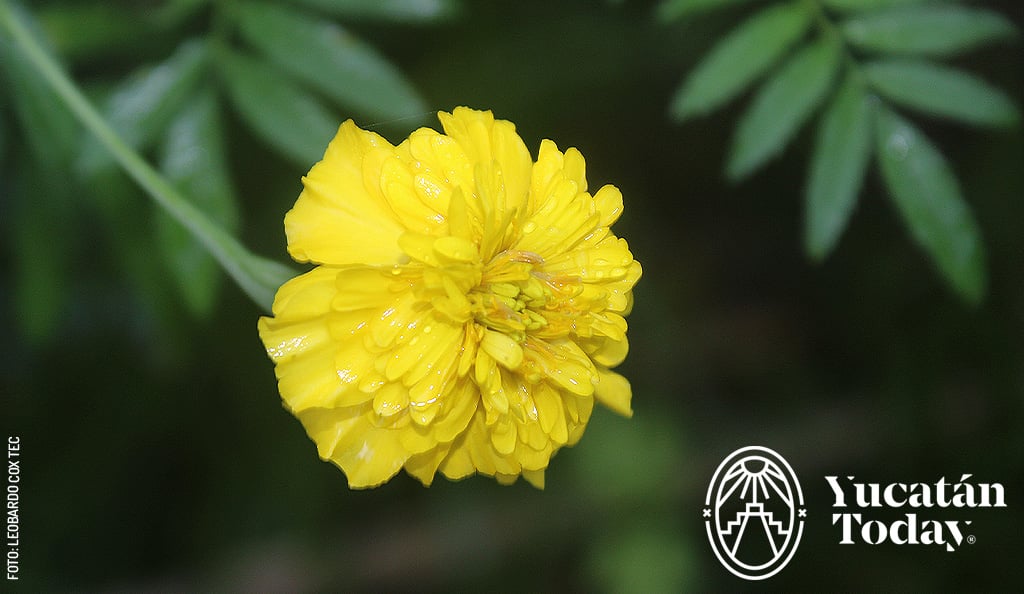
The reality is that, as water is increasingly exploited by large corporations in México, growing cempasúchil from Mexican seed is becoming more difficult. As a result, horticulturists often prefer Asian seed, which allows them to maximize production. While the cempasúchil may be foreign, it is still Mexican hands that grow it.
In Yucatán, the Maya community of Emiliano Zapata (known locally as La Cooperativa), in the municipality of Oxkutzcab, is the state’s main producer of local cempasúchil, or xpu’ujuk. The flowers are typically sold by the bunch in Mérida’s main markets. There are also significant crops in Muna and Ucú, where both varieties are grown.
If you have the opportunity to buy locally grown xpu’ujuk directly from a small producer, don’t pass it up. It’s a true privilege. In a world of rapid growth and modernization, growing Maya xpu’ujuk is an act of resistance. And if you have room in your garden, consider growing some yourself.
First published on the Yucatán Today website in October 2026.


Related articles


