


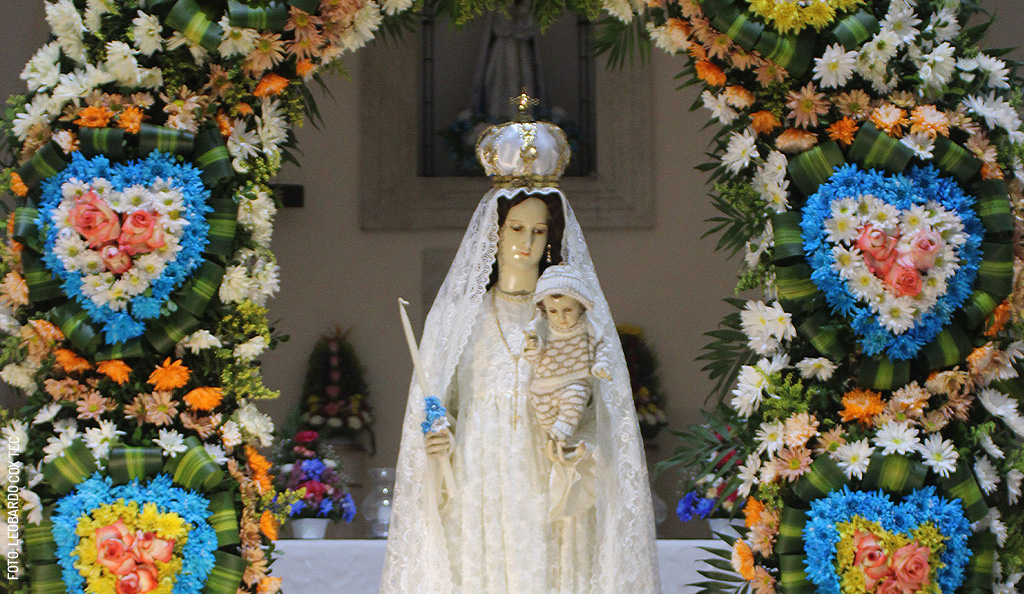
In Kanasín, Yucatán, Candlemas Day (the Feast of the Candelaria) isn't celebrated with the typical tamales and atole found in Central México. Instead, the tradition is experienced through panuchos, chaya water, and Yucatecan jarana music. Despite its rapid modern growth, Kanasín—famously known as “The Panucho Capital”—preserves its traditional celebrations full of color, faith, and joy.
Kanasín: A Place of History near Mérida
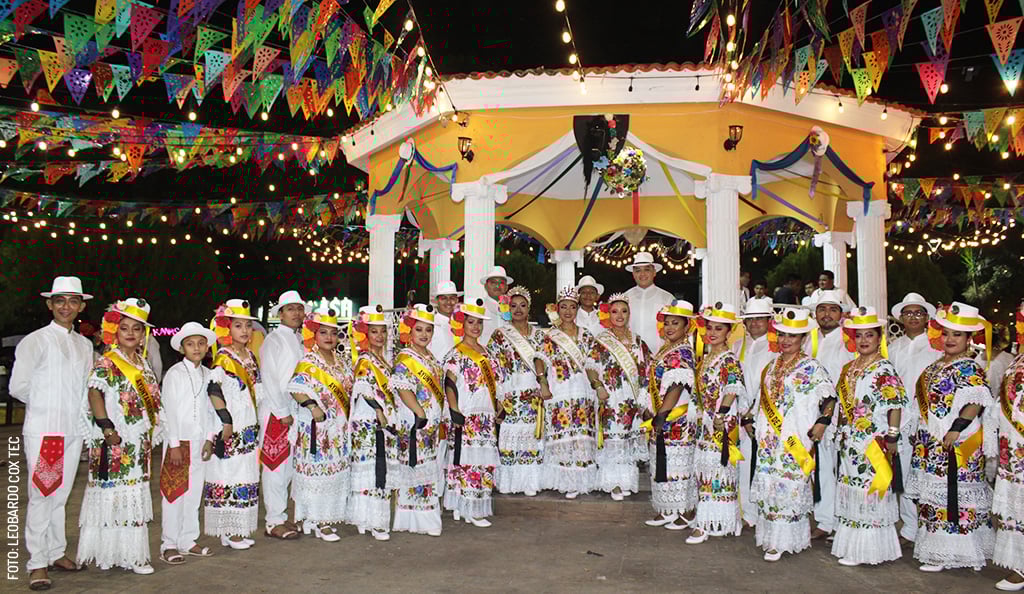
Located approximately 5 kilometers east of the city of Mérida, Kanasín possesses a rich history dating back to the first decades after the conquest. According to historian Laura Machuca, the town was likely founded in the mid-16th century. By 1588, it appeared in colonial records as a "visiting chapel."
Its name comes from the Maya word k’aanalsin or k’aanansin, referring to a leguminous plant known as palo de aro (Lonchocarpus rugosus). This tree features striking red flowers and strong wood once used for cart-making. Early records mention the town as Tikanalsín, meaning “the place of the k’aanalsin tree.”
Devotion to the Virgin in Kanasín
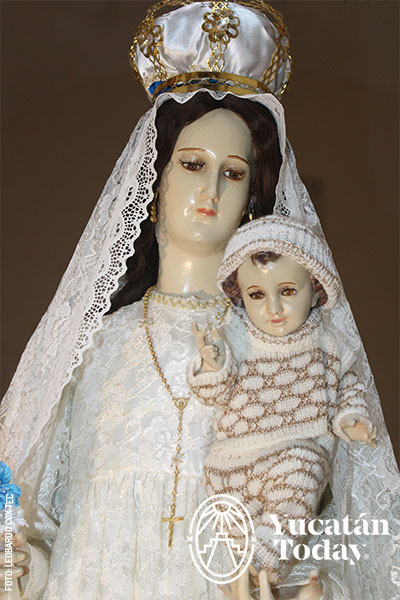
The town's church likely dates back to the 17th century. While originally dedicated to the Three Kings, the local community eventually named Our Lady of the Immaculate Conception as the patron saint of the city, as her intercessions for the locals’ prayers were known to be very effective.
An image of the Virgin of the Immaculate Conception was crowned in 1950, funnily enough, on Candlemas Day, on February 2. Her gold crown was made from jewelry donated by the people of Kanasín.
For years, locals say, this image of the Lady of the Immaculate Conception would be dressed up as the Lady of Candelaria: every February she would be fitted with a candle and an image of Baby Jesus set in her arms. In the year 2000, father Ángel Vargas Góngora had a specific image of the Virgin of Candelaria made to preside over the Purification festivities, and this is the image venerated today.
The Feast of Candelaria in Kanasín
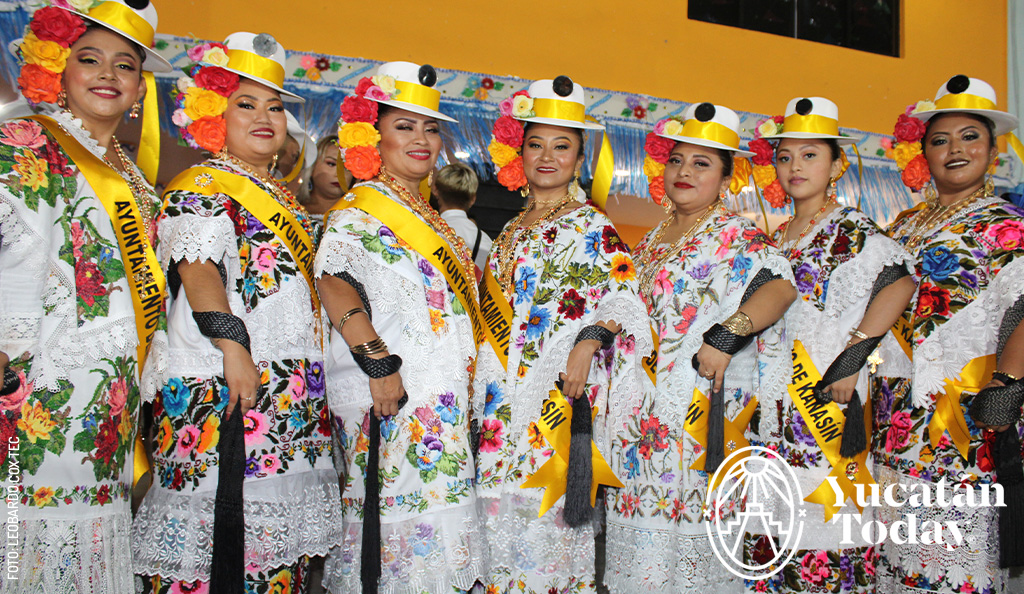
Kanasín's Candlemas Day festivities have been renowned since the early 20th century. Historical newspapers like La Revista de Yucatán described the 1925 festival as follows:
The traditional celebration of the Candelaria, annually celebrated in the nearby town of Kanasín, began last Tuesday night with a sumptuous Vaquería at the Municipal Palace. There, over 80 local ladies (...) showed off their charm, dressed in the traditional “vaqueras” (cowgirls) dress. That same night the dynamo of the local power plant began operations, splendidly illuminating the dance hall.” In 1926, that same newspaper mentioned that during the day vaquería, attendees were regaled with k’eeyem (a corn-based drink sweetened with honey) and ts’ootobilchay (a small tamal wrapped in chaya leaves).
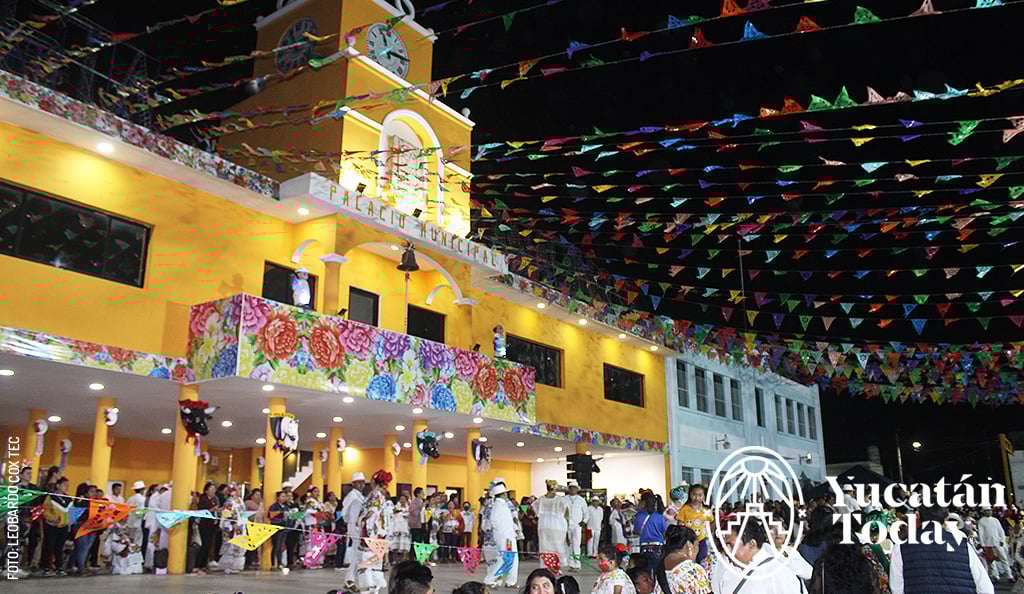
To this day, the Candlemas Day celebrations in Kanasín are an event both locals and visitors look forward to all year. This 2026, the festivities will begin on January 29 and conclude on February 2 with a grand procession of the Virgin, filled with music and devotion. Instead of tamales, this is your chance to enjoy a vaquería, dances, delicious food, and the warmth of the Kanasín locals, as well as the most delicious panuchos all around.
How to Get to Kanasín from Downtown Mérida
Getting to Kanasín is incredibly easy due to its proximity to the capital and the recent modernization of public transportation in Yucatán. Here are the best ways to make it to the Fiesta de la Candelaria this 2026:
1. The Modern Option: IE-TRAM (La Plancha - Kanasín Route)
This is the most comfortable, eco-friendly, and fastest way to travel. This system of 100% electric vehicles connects the heart of Mérida with the center of Kanasín.
- Departure Point: Gran Parque La Plancha
- Cost: $12 pesos.
- Payment: You must use the "Va y Ven" smart card or a NFC/contactless bank card (cash is not accepted on these units).
- Key Features: Air conditioning, USB charging ports, and dedicated spaces for people with disabilities.
2. The Traditional Option: Colectivos (Combis)
If you are looking for a local experience and a constant stream of departures, the combis (shared vans) are the classic choice.
- Departure Point: Calle 54 x 65 and 67, near the Lucas de Gálvez market in the Historic Center.
- Cost: $12 pesos (paid in cash upon boarding).
- Key Features: They depart as soon as they are full, meaning there is almost no wait time between units.
3. Private Transport (Ride-sharing Apps or Taxis)
Perfect if you are traveling in a group or prefer the convenience of door-to-door service to a specific restaurant or home in the "Capital del Panucho."
- Estimated Time: 15 to 25 minutes from downtown Mérida, depending on traffic.
- Cost: Between $120 and $180 pesos from the city center.
- Note: Prices may vary due to high demand during the Fiesta de la Candelaria dates.
First published in Yucatán Today website in February 2026.



Related articles


