


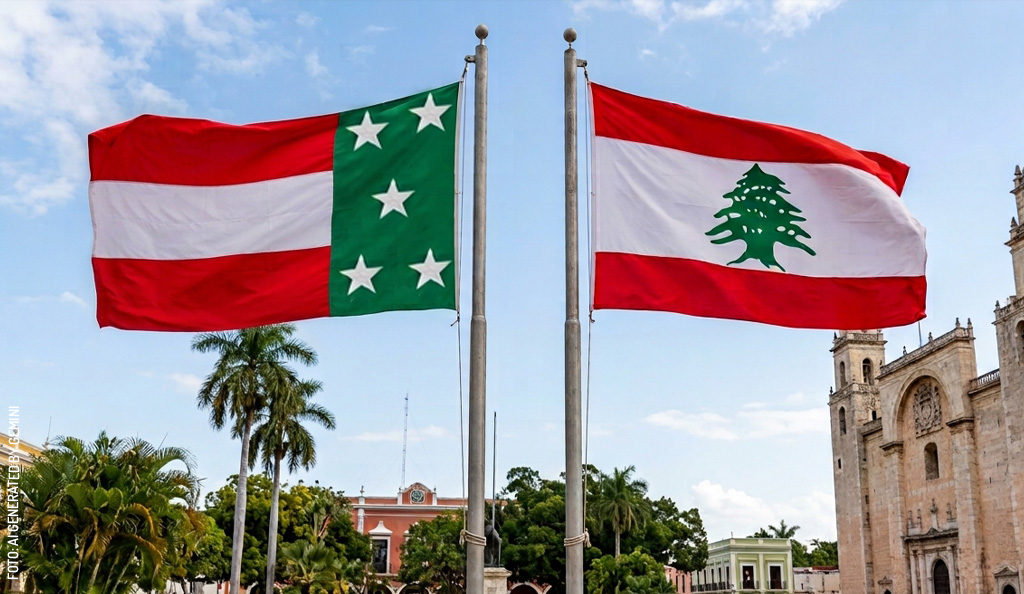
Lebanese migration to Yucatan began through the port of Progreso in the late 19th century, settling in Merida neighborhoods such as La Mejorada and San Cristobal. This migratory movement enriched Yucatecan culture through commercial, social, and culinary integration that persists to this day through their descendants and local business enterprises.
Lebanese Immigration to Yucatán and Its Legacy
Have you ever wondered about the origin of the famous kibis sold every day on the streets of Mérida? This crispy, delicious staple isn't native to our region—though it has been here so long it certainly feels like it. The kibi (originally spelled kibbeh) gained popularity in Yucatán following the arrival of numerous Lebanese immigrants in the late 19th century.
Yet this iconic street food is just the tip of the iceberg when it comes to Lebanese influence in Yucatán. Their arrival in our state is a clear example of how, as in many parts of the world, migration shapes and enriches a region's sociocultural landscape. Bringing new ingredients and distinct customs, the Lebanese community gradually reshaped what we now consider traditionally Yucatecan.
I grew up experiencing the delights of Lebanese cooking firsthand through my connection with the Mir Rukos family. Their ancestors, like vast numbers of Lebanese emigrants, boarded ships bound for the Americas without a clear destination, fleeing severe economic instability back home. By a stroke of fate, the Mir and Rukos families landed in Yucatán, while others settled across México, the United States, and as far away as Brazil.
Why the Lebanese emigrated
In short, a primary catalyst driving thousands of Lebanese people to leave Western Asia (the Middle East) was more than four centuries of Ottoman rule. Oppressive political and religious conditions created an unsustainable environment marked by severe hardship, accelerating the decision to flee.
Lebanese immigrants entered Yucatán through the then-new port of Progreso and settled in Mérida, Motul, Izamal, Espita, and other towns. In Mérida, the burgeoning community initially centered around Calle 50 in Centro, spanning the La Mejorada and San Cristóbal neighborhoods.
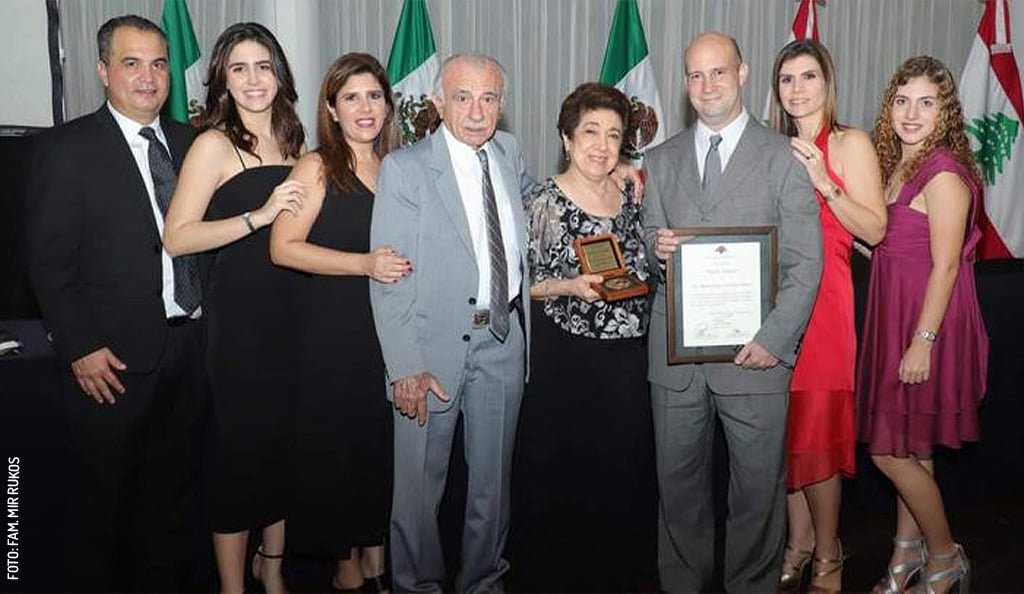
As Doña Myrna Rukos Chapur, a proud Yucateca of Lebanese descent, puts it, her grandparents "fled Lebanon because they were starving." Arriving with no one to receive them, they had to rebuild their lives from scratch. To make ends meet in Yucatán, her grandparents bought fabric and sold it door-to-door from a wooden cart.
How the Lebanese community integrated in Yucatán
During our conversation, Doña Myrna shared the origins of Mérida’s Club Libanés. As more Lebanese immigrants gathered in our city, so grew the need to foster community centered on their shared heritage and customs.
The club started as a modest space that offered incredible unity for newcomers, hosting dances and games of poker and dominoes. In 1977, it moved to its current, spacious location in Colonia México Norte—which, it's worth noting, didn’t exist at the time and was considered the outer fringe of the city.
Antonio Mir, Doña Myrna’s son, notes that today, Yucatecans of Lebanese descent feel fully integrated into the local community. Both Antonio and his mother recall that older generations worked hard to ensure their children married within the Lebanese community—sometimes even sending young men back to Lebanon to find a bride to bring home to Mérida.
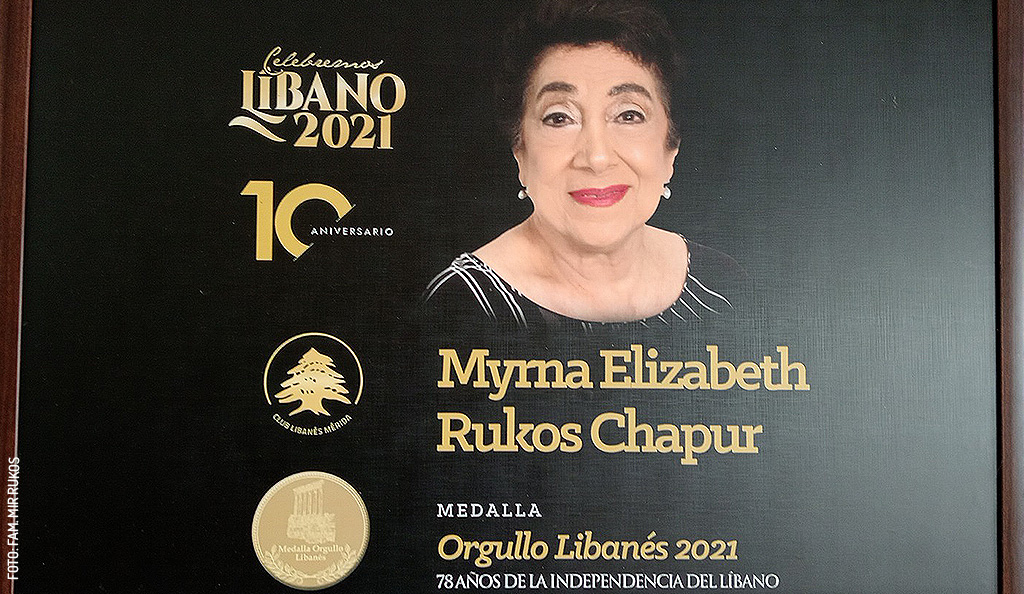
Doña Myrna remembers her parents being strict whenever she or her sister brought home a "local" boyfriend. Today, however, Lebanese families take a much more relaxed approach to the inevitable—and ongoing—cultural blending that living in our region entails.
That isn't to say they aren't proud of their roots. JOMALI (Mexican Youth of Lebanese Descent) is an association that brings young people across México together for an annual gathering to share experiences and celebrate their heritage. Another great example of this enduring pride is Lorelei Mir, Doña Myrna’s granddaughter. A fourth-generation Mexican, she actively serves on the Youth Committee for the Club Libanés ambassador, overseeing club events and leading community service initiatives.
The legacy of Lebanese migration in the region
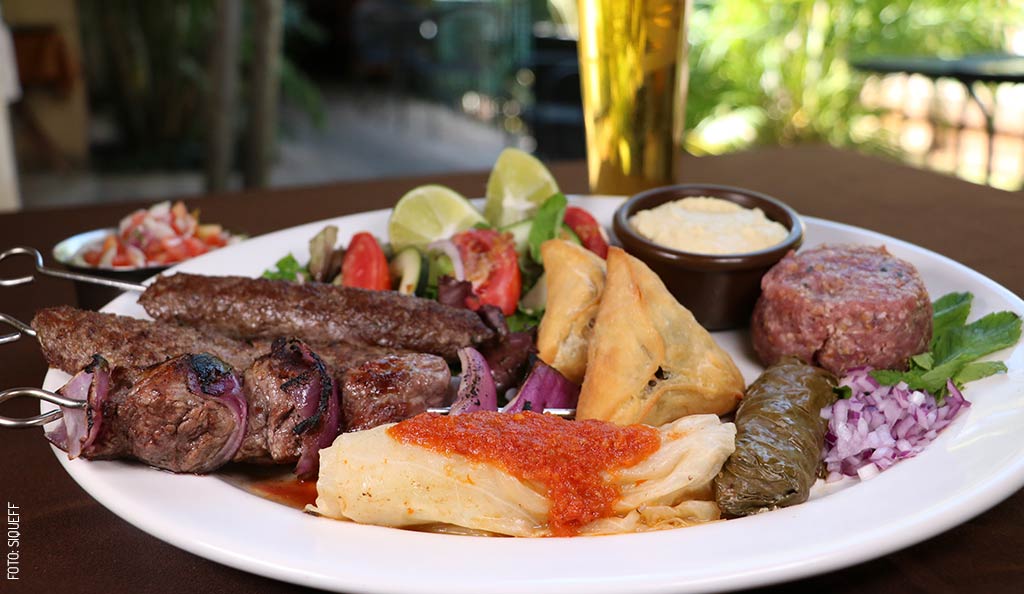
Middle Eastern migration to our state has yielded countless successful businesses and vital cultural contributions. As kibis prove, food is a particularly powerful thread. Doña Myrna and her late husband, José Mir Rodríguez, founded S’Mir, a local staple for authentic Lebanese takeout. Over on Calle 60, Restaurante Siqueff stands as another cornerstone, boasting over 90 years of history.
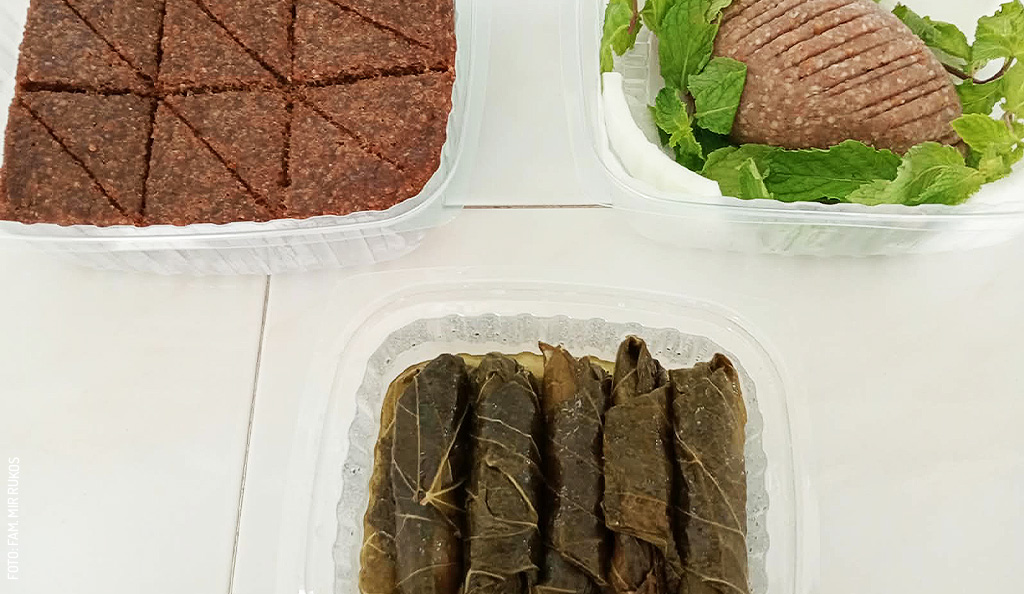
Both S’Mir and Siqueff share authentic recipes passed down through generations. Thanks to them, locals of all backgrounds can enjoy traditional dishes like stuffed grape leaves, chicken with spiced rice, sambousek (meat or cheese pies), eftoyer (swiss chard pastries), and tabbouleh (a fresh parsley, bulgur, and tomato salad)... along with, of course, the original recipes behind our beloved Yucatecan kibis.
S’Mir
Calle 9 x 38 y 40, Fraccionamiento del Norte (Campestre)
Tel. 999 944 8286
Restaurante Siqueff
Calle 60 #350 x 35 y 37, Centro, Mérida
Tel. 999 925 5027
Todos los días 8 am - 6 pm
First published in Yucatán Today print and digital magazine no. 467, in November 2026.


Related articles


