

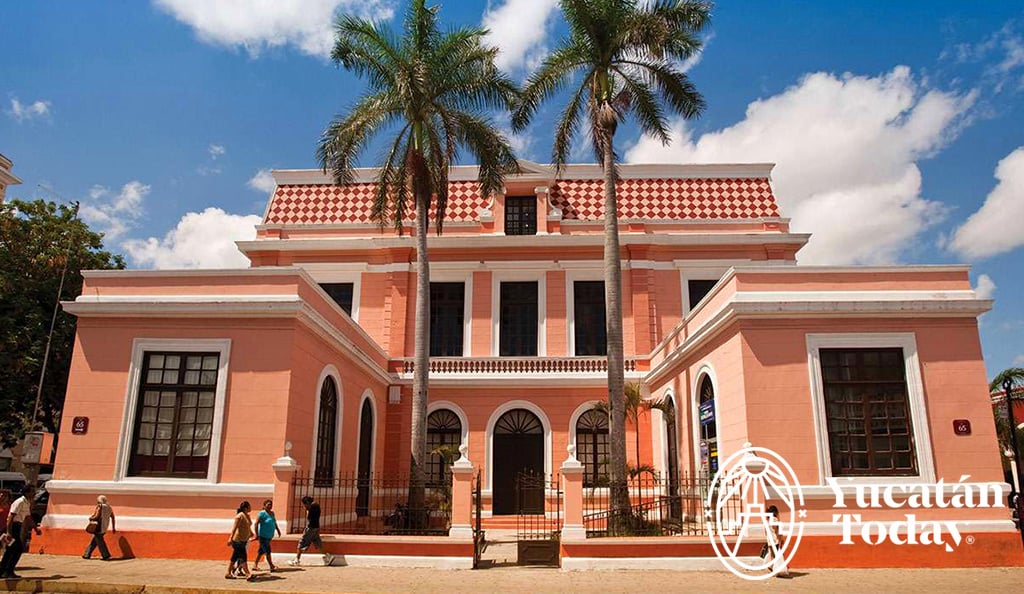
Opened in 1908 during the Yucatan henequen boom, the Mérida City Museum building stands out for its French-influenced neoclassical architecture designed by Engineer Salvador Echegaray. Its ground floor houses permanent exhibitions documenting colonial Mérida, the "green gold" era, and 20th-century sociocultural development. The museum offers free admission and operates Tuesday through Friday from 9 am to 6 pm, and weekends from 9 am to 2 pm.
Five Reasons to Visit the Museo de la Ciudad de Mérida
Among the many museums in Mérida, the Museo de la Ciudad often gets overlooked by visitors planning their itinerary. Yet this museum, located at the corner of Calle 56 and Calle 65, is an excellent way to explore 485 years of Mérida’s history, culture, and evolution, for several very good reasons. Here are five of them.
Its architecture
 The Museo de la Ciudad is housed in what was once the Federal Post Office Palace. The building, inaugurated in 1908, is a magnificent reminder of the enormous wealth that henequén brought to the city and its inhabitants during the 18th and 19th centuries. Although it was designed and built by a Mexican—the renowned military engineer Salvador Echegaray—its Neoclassical style shows a strong French-inspired influence.
Salvador Echegaray: A Star Engineer of the Porfirian Era
Engineer Echegaray was also responsible for the construction of what is now the Centro Estatal de Bellas Artes (then a psychiatric hospital), the former O’Horán Hospital (which recently moved to a new location in the southern part of the city), and the building known as La Peni, which once served as the Juárez Penitentiary.
The construction of Mérida’s Federal Post Office Palace, like similar buildings elsewhere in México, followed the establishment of the Dirección General de Correos de México in 1901. At the time, written correspondence was the primary means of communication, making it essential for post offices—or casas de correos—to accommodate the enormous volume of mail they handled.
Although the building has undergone some changes over the years, visiting the museum remains a great excuse to step inside and explore the three floors of this remarkable structure.
More than four centuries of Mérida’s history and culture
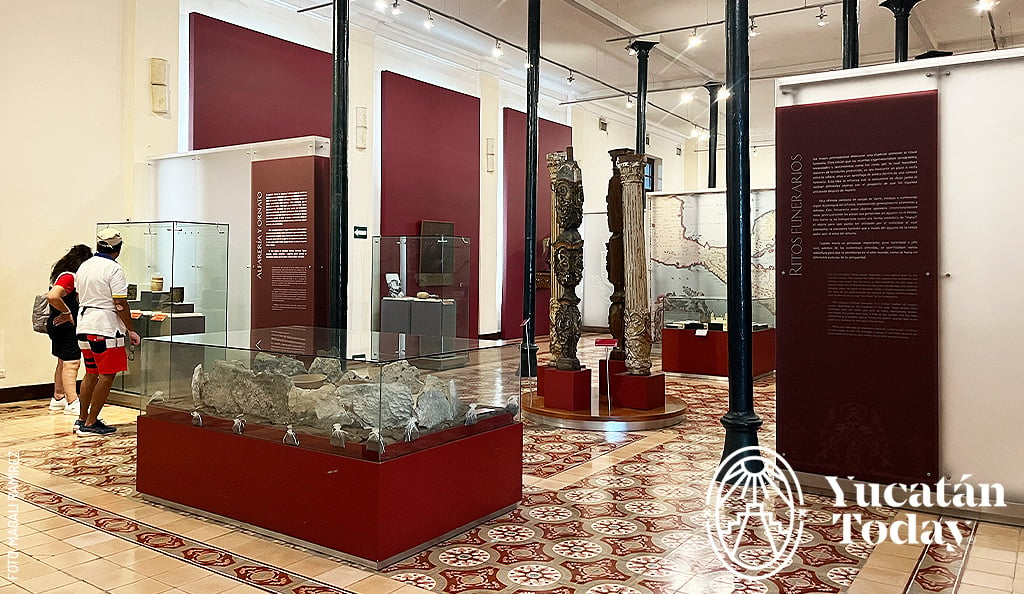
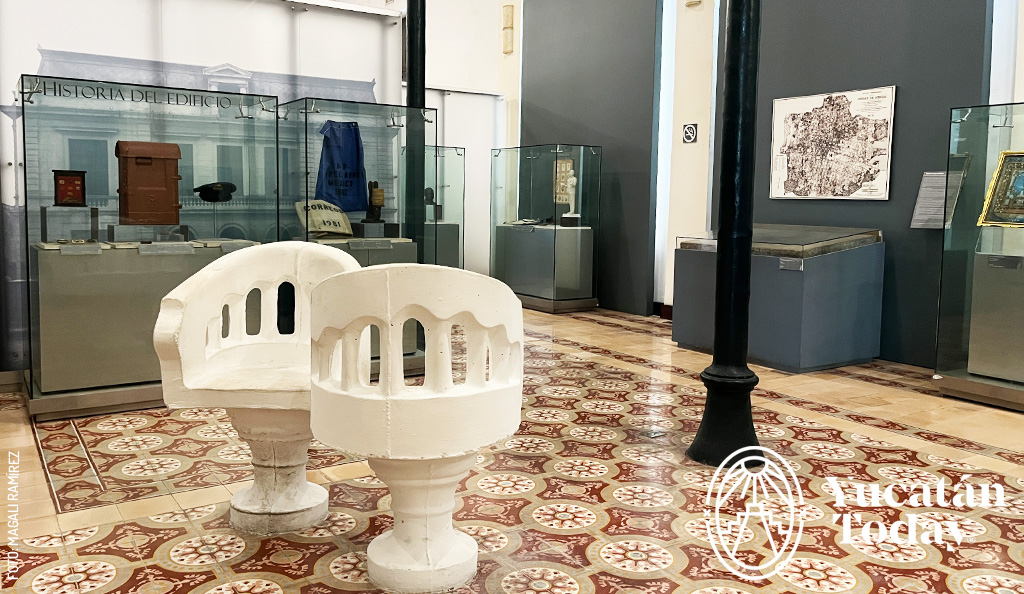
 The ground floor of the Museo de la Ciudad de Mérida houses its permanent exhibits, which document the city’s evolution from its Maya origins to the present day. The tour begins with the pre-Hispanic city of Ichkantijó (also known as Ichcaansihó), whose name is the origin of Mérida’s enduring nickname, T’ho.
Fun fact
As a lifelong Yucateca, I can honestly say I was absolutely shocked to discover that the correct Maya pronunciation of T’ho is not “toe”—following the logic that the h is silent in Spanish—but rather tee-ho, which means “there, in Jo’,” with Jo’ being a shortened version of Ichkaantijó.
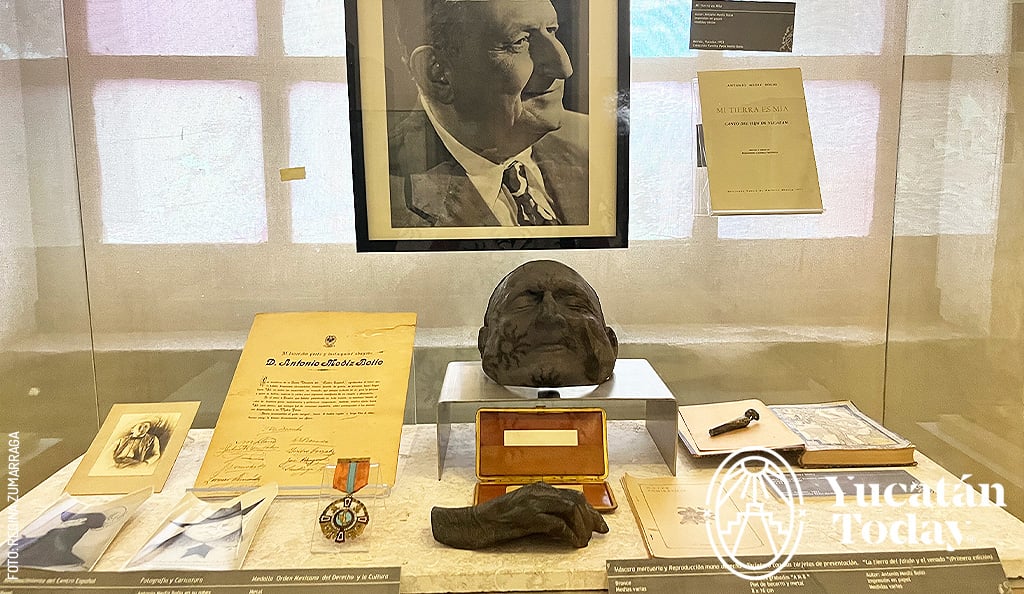
Next, you’ll discover colonial Mérida, with artifacts related to the conquest, the founding of Mérida, and everyday life during the colonial period. The exhibits then trace the city’s rise as an epicenter of the wealth generated by the exploitation of “green gold”—henequén—and, consequently, as a thriving urban center in terms of culture, education, architecture, and many other fields. This growth also made Mérida an attractive destination for migrants, particularly from Korea and Lebanon, who at the time were forced to leave their homelands in search of better opportunities.
Finally, the Mérida of the 20th century to the present is explored through cultural, athletic, and architectural movements that offer a glimpse into a lesser-known side of the Yucatecan capital.
Modern art for everyone
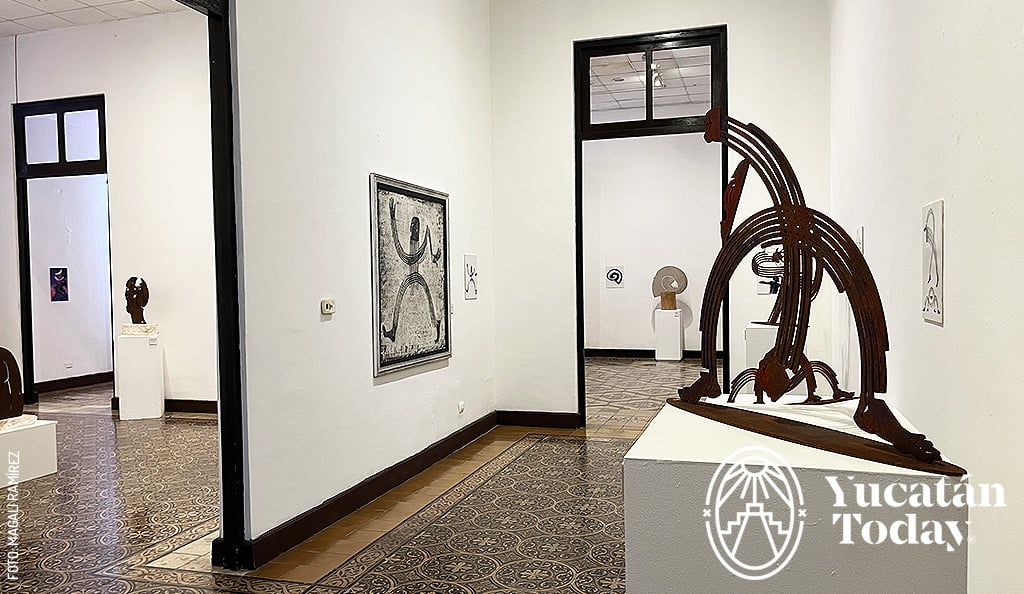 The Museo de la Ciudad de Mérida also has several spaces where temporary contemporary art exhibitions are held, ranging from visual arts to textiles. These works may come from local artists or from places that share cultural ties with Mérida. Unlike the galleries focused on the history of Mérida, these exhibitions are temporary, so you may find something completely different—and perhaps unexpected—every time you visit.
An undeniable advantage: Admission is free
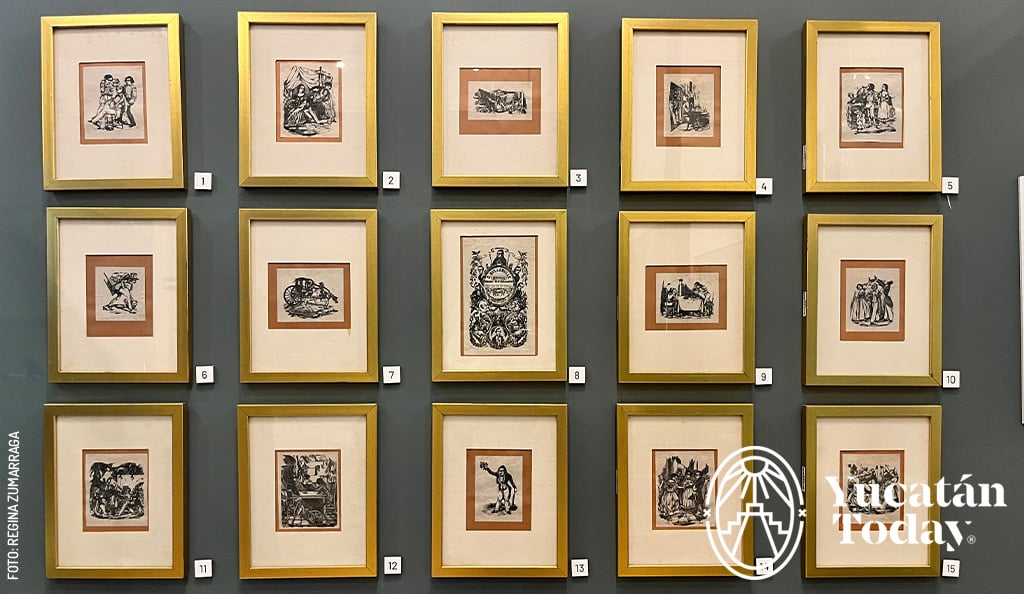 Mérida has an extensive selection of free and low-cost cultural events and activities, and the Museo de la Ciudad is one of them. Admission to the museum and all of its galleries and exhibits is free every day it is open (except Mondays, when the museum is closed), making it a great option for immersing yourself in Mérida and its history without spending a fortune.
A picturesque location
 The Museo de la Ciudad is just three blocks from the Plaza Grande, a perfectly walkable distance in Mérida, and right next to what locals call the “Mercado Grande.” This sprawling market area encompasses the Lucas de Gálvez and San Benito markets, as well as the Municipal Handicrafts Market, covering more than two hectares. Here, you can find everything from traditional sweets, fruits, and flowers to all kinds of vegetables you’ll never see in a supermarket, along with shoes, jewelry, tech accessories, and all kinds of imported goods.
During October and part of November, the market also fills up with everything needed for Finados altars (Janal Pixan, or Day of the Dead in Yucatán), making a visit especially memorable.
An important note if you’re planning to visit a local market
Yucatán’s markets, and especially the Mercado Grande, offer all kinds of products that make them fascinating places both for shopping and simply exploring. However, because they remain traditional markets, they also have butcher sections that some visitors may find upsetting. You won’t find neatly packaged cuts of meat here. Instead, it is common to see recently “beneficiados” (benefited) animals—as slaughtered animals are called locally—then request the cuts or pieces you want and wait while the butcher prepares, weighs, and bags them.
It’s hard to find meat much fresher than this, but the experience also leaves little hidden about the process through which people obtain their animal-based food.
Markets in Mérida—and really, throughout Yucatán—are also famous for their food stalls, where you can find delicious traditional antojitos at very affordable prices, along with juices, smoothies, and sodas, either to enjoy with your meal or to cool off after a day of exploring downtown Mérida.
As you can see, a visit to the Museo de la Ciudad can be a great way to get to know Mérida more deeply and from many different perspectives. Stop by and discover everything it has to offer.
Museo de la Ciudad de Mérida
IG: museocdmerida
FB: Museo de la Ciudad de Mérida
Tue. - Fri. 9 am - 6 pm
Sat. and Sun. 9 am - 2 pm
Free admission
First published in Yucatán Today print and digital magazine no. 467, in November 2026.


Related articles


